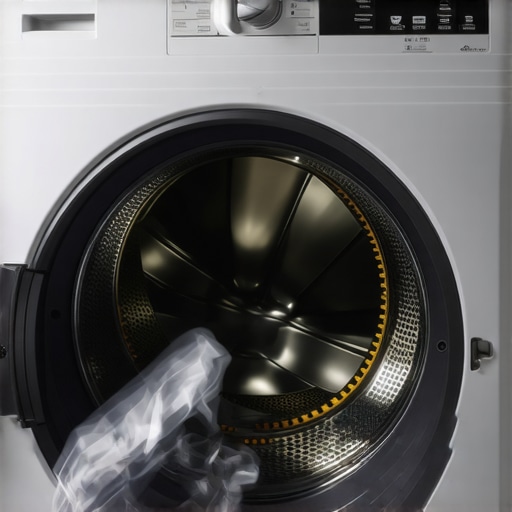
Ever had your clothes come out of the dryer more wrinkled and damp than when you put them in? I remember the frustration hitting me one damp Saturday, realizing my heat pump dryer wasn’t spinning properly. It was a lightbulb moment—my dryer’s drum was slipping, causing my laundry chaos. That tiny issue turned into a weekend project I couldn’t ignore. If your dryer’s not performing as it should, you’re not alone, and there’s hope to fix it fast. Today, I’ll walk you through three crucial fixes for a slipping dryer drum—especially relevant for heat pump models pushing towards 2026 updates. If you’ve faced this problem, stick around; these tips could save you a costly repair bill or a frustrating wait for a technician.
Why a Slipping Drum Can Ruin Your Laundry Routine
When your dryer drum slips, it’s more than just an annoyance; it can lead to inefficient drying, increased energy bills, and even damage to your machine. Heat pump dryers are designed to be energy-efficient, but a slipping drum puts a strain on the components, sometimes causing long-term damage if ignored. Plus, a loose drum often makes noise—rattling and banging that’s impossible to ignore. Addressing this early can keep your appliance functioning optimally and extend its lifespan. For more insights on common heat pump dryer issues, check out this guide.
Is Fixing a Slipping Drum Truly Worth It?
I’ll admit, I initially thought a slipping drum was an indication I needed a whole new dryer. That was a mistake. The early mistake I made was underestimating the power of simple fixes. Before diving into costly replacements, I learned that most issues stem from worn-out belts, misaligned rollers, or loose pulleys—problems you can tackle yourself if you know what to look for. Trust me, no appliance is beyond saving if you act promptly. In the next sections, I’ll share proven, easy-to-implement fixes that can get your dryer spinning smoothly again—saving you time and money. Ready to get back to stress-free laundry? Let’s dive right in.
Inspect the Drive Belt Carefully
Start by unplugging your dryer and removing the access panel at the back. Think of the drive belt as the lasso that keeps your drum spinning smoothly; over time, it can wear out or slip. I once found mine cracked and loose, causing the drum to wobble and slip. Use a flashlight to examine for cracks, fraying, or signs of slipping off. If damaged, replace it with a new belt designed for your dryer model. For your specific model, check out this guide for detailed belt replacement instructions.
Test and Replace Roller Assemblies
Next, locate the roller assemblies that support the drum’s rotation. These rollers act like tiny wheels, allowing your drum to turn smoothly—imagine a train wheelset rolling along tracks. Over time, they can become flattened or squeaky, especially in older dryers. To test them, manually rotate the rollers; if they spin sluggishly or make noise, they need replacement. Remove the roller assembly, clean away any lint or debris, and install new rollers if necessary. I replaced mine after hearing grinding noises, and the difference was immediate—your dryer will run quieter and more reliably. For thorough guidance, refer to this resource.
Check and Tighten Pulleys and Tensioners
The pulleys and tensioners keep tension on the drive belt, similar to how a tennis racket keeps the string taut. Loose or misaligned pulleys can cause slipping and uneven drum rotation. Visually inspect these components for wobbling or wear marks. Use a wrench to tighten any loose pulley bolts. If a pulley is broken or misaligned, replace it to restore proper tension. Once I noticed my dryer’s drum slowing down unexpectedly, a quick pulley check revealed it was loose, and tightening it immediately fixed the slipping issue. For detailed pulley replacement procedures, see this article.
Addressing Misalignment and Balancing
Finally, ensure the drum is perfectly aligned and balanced. An unbalanced load or uneven distribution of clothes can cause the drum to shift and slip. Rebalance the load, making sure heavy items are evenly spread. Additionally, check the internal drum rollers’ alignment—if they are uneven or bent, they need correction or replacement. Remember, a well-balanced drum reduces strain on all components, preventing future slipping issues. Once I redistributed my laundry evenly, I noticed a smoother spin and quieter operation. For tips on balancing your load, visit this guide.
Final Checks and Testing
After completing these repairs, plug in the dryer and run a short test cycle. Observe the drum’s movement—there should be no slipping or wobbling. Listen for unusual noises indicating misalignment or remaining issues. In my case, after replacing the belt and tightening pulleys, my dryer spun like new, drying clothes efficiently and quietly. Regular maintenance, including belt and roller inspections, can prevent slipping from reoccurring. For ongoing tips, check out this article.Many homeowners assume that all dryers operate similarly or that newer models automatically solve traditional drying issues. However, understanding the nuances of different dryer types reveals that misconceptions can lead to inefficiencies or even damage. For example, a widespread myth is that heat pump dryers are maintenance-free, but in reality, they require regular cleaning of the condenser coils to prevent damp loads and ensure optimal performance. Neglecting this can cause moisture buildup, despite the energy efficiency benefits. Additionally, some believe that smart dryers eliminate the need for manual maintenance, yet sensor-based drying can misjudge load sizes or fabric types, leading to over- or under-drying—an issue explored thoroughly in expert reviews. It’s vital to recognize that high-tech features are tools, not magic, and that understanding potential pitfalls allows for better appliance longevity and efficiency. A common trap is ignoring the importance of proper venting and filter cleaning, which can cause overheating or fire hazards, particularly in gas and older models. Advanced users might question how sensor algorithms adapt to different fabrics or load sizes, an area where ongoing research shows that incorrect calibration can diminish drying performance (see the studies on sensor efficiency in appliances). By challenging these assumptions and paying attention to nuanced behavior, you can significantly improve your laundry routine and appliance lifespan. Have you ever fallen into this trap? Let me know in the comments and share your experiences with different dryer types.
Invest in Digital Multimeters for Precise Troubleshooting
One of my top recommendations for maintaining your dryer over time is owning a quality digital multimeter. This tool allows you to measure voltage, continuity, and resistance accurately, making it invaluable for diagnosing electrical issues such as faulty thermostats, sensors, or wiring problems. I personally use the Fluke 117 because of its reliability and ease of use, which helps me confidently identify issues without the need for costly professional diagnostics. Regularly testing components with a multimeter prevents small problems from escalating into major repairs, ensuring your dryer continues to operate efficiently for years.
Keep a Set of Replacement Parts Handy
Another crucial aspect of ongoing maintenance is having essential replacement parts readily available. I keep spare belts, rollers, and sensors in my toolbox because when a component begins to wear, I can swap it out immediately, minimizing downtime. For example, replacing a worn drive belt before it snaps extends the lifespan of your dryer and maintains optimal performance. When selecting parts, always verify compatibility with your specific model to avoid issues. Checking the manufacturer’s parts list or consulting trusted repair guides, like those found at this resource, ensures you get the right components.
Use Smartphone Apps for Diagnostics and Monitoring
Modern dryers, especially smart models, come equipped with Wi-Fi capabilities and companion apps that can assist with diagnostics. I recommend downloading the manufacturer’s app for your dryer model. These apps provide real-time error codes, maintenance reminders, and troubleshooting guides. For instance, if your smart dryer shows a sensor malfunction, the app often suggests specific fixes, saving you time and guesswork. Regularly monitoring your appliance through these apps helps catch issues early, prolonging its lifespan and improving long-term results. Plus, some apps support remote diagnostics, making maintenance more convenient.
Stay Clean with Routine Filter and Vent Checks
Consistent cleaning is vital for keeping your dryer in top shape. I schedule monthly inspections of lint filters, vent hoses, and the condenser coils, especially in heat pump models like those described in this guide. Clogged filters and vents reduce airflow, increase energy consumption, and heighten fire risks. Maintaining clean systems ensures efficient drying and prevents costly breakdowns down the line. Using a vent cleaning brush and vacuum regularly can help keep your system clear, allowing your dryer to perform at its best.
Anticipate Future Trends in Dryer Maintenance
Looking ahead, I predict that AI-powered diagnostic tools integrated with smart home systems will become the norm. These will not only detect issues early but will also suggest precise maintenance actions or even order replacement parts automatically. Staying updated with innovations, like the latest sensor calibration techniques discussed at this article, will help you make informed decisions and extend your dryer’s lifespan.
How Do I Maintain My Dryer Over Time?
Establishing a routine of regular inspections with tools like a digital multimeter, keeping spare parts on hand, leveraging smartphone diagnostics, and maintaining cleanliness are key strategies to ensure your dryer keeps working efficiently. Dedicate a few minutes each month to these practices, and you’ll avoid many common issues, saving money and frustration in the long run. For a deeper dive into sensor calibration and troubleshooting, consider exploring the latest expert analyses in the industry.
The Hardest Lesson I Learned About Heat Pump Dryers and Smart Dryers
One of my biggest surprises was realizing that even the most advanced dryers aren’t maintenance-free. I once ignored a faint squeal during drying cycles, thinking it was normal. Turns out, neglecting small signs often leads to costly repairs or replacements. The lesson? Regular checks and listening to your dryer’s subtle cues can save dollars and extend its lifespan.
3 Myths About Clothes Dryers That Held Me Back
I believed that newer models with smart features never needed manual upkeep. Wrong. I found that sensor calibration and vent cleaning are still essential, regardless of tech sophistication. Busting these myths made me a better DIYer and helped optimize my laundry routine.
What Experts Won’t Tell You About Gas and Heat Pump Dryers
Many overlook the importance of proper venting and component matching. I learned that understanding the internal workings, like drainage and coil maintenance, dramatically improves efficiency. Deep inside, knowing your appliance reduces guesswork and boosts longevity.
My Essential Toolkit for Dryer Maintenance
Having a quality digital multimeter has revolutionized how I troubleshoot. It’s invaluable for checking resistances and voltage flows, helping me identify issues before they escalate. Pair that with a set of spare belts and rollers—these simple tools empower me to keep my dryer running smoothly without guesswork.
Where to Go from Here
Investing in detailed guides, like those on trusted review sites, has saved me countless trips to the repair shop. Regular cleaning, using diagnostics apps, and understanding key components are your best bets. Embrace continuous learning and maintenance, and you’ll enjoy fresh, dry clothes without stress.
Don’t Be Afraid to Start Your Drying Revolution
Taking charge of your dryer’s health isn’t just practical—it’s empowering. Small, informed steps create big results over time. Master your heat pump dryer or smart dryer today, and transform laundry from a chore into a confidence-building task.
What’s the first step you plan to take to improve your dryer’s performance? Share your thoughts below!
,

Leave a Reply