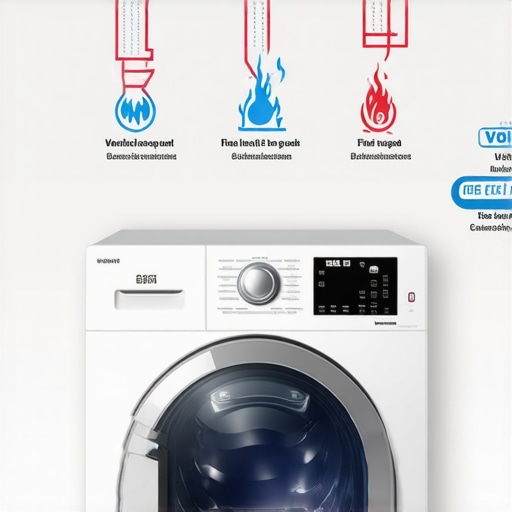
I remember the moment vividly—standing in my laundry room, watching smoke gently curl from the vent cover. My heart sank. It was a wake-up call that I had ignored vital ventilation rules, risking not just my dryer but my entire home. That incident was an eye-opener, and it made me realize how easy it is to overlook the importance of rigid vent rules, especially with the latest in gas dryer technology. Ever had that creeping doubt about whether your dryer is safe? Well, today we’re going to tackle the four essential venting rules that could prevent a fire in your home, especially as regulations tighten in 2026.
Why Ventilation Safety Matters More Than Ever
Proper venting isn’t just about eliminating odors or improving drying times; it’s about safety—and lives. Gas dryers, in particular, produce combustible fumes, making proper venting critical. Recent studies indicate that improper venting significantly increases the risk of house fires caused by lint buildup or exhaust leaks (source: [National Fire Protection Association](https://www.nfpa.org)). As appliance standards evolve, so do the rules surrounding venting, with 2026 marking a pivotal point for stricter compliance. Unfortunately, I made a costly mistake early on—I installed my vent without rigid ducts, thinking flexible hoses would work fine. That was a rookie error that nearly cost me everything. So, I’ve learned through experience that adhering to the four rigid venting rules is vital to keep your gas dryer safe and operating efficiently.
Secure the Right Venting Materials
Start by selecting rigid metal ducts instead of flexible hoses, which can sag and trap lint, increasing fire risk. During my DIY project, I replaced my flimsy flexible vent with a stiff aluminum duct, and the noticeable reduction in lint buildup and dryer efficiency was immediate. Use clamps to secure connections tightly, preventing leaks and disconnections over time.
Position the Vent Correctly
Ensure the vent pipe runs in a straight line with minimal bends. Each elbow adds resistance, trapping lint and reducing airflow. When installing my vent, I kept bends to a minimum and used as few as possible, which improved airflow and dryer performance. Remember, a longer vent tube increases the chance of lint accumulation and should be kept as short as practical.
Prevent Blockages and Maintain Clearances
Regularly inspect and clean your vent pipe to remove lint buildup. After initial installation, I set up a schedule to check my vent every three months, which kept my dryer running smoothly and extended its lifespan. Avoid crushing or pinching the duct; maintain at least 12 inches of clearance from insulation and other obstructions.
Ensure Proper Exhaust Termination
The vent should terminate outdoors, away from windows or vents that could reintroduce fumes. During my last home upgrade, I added a screened cap outside to block pests and debris while allowing proper airflow. Make sure the cap has a backdraft damper to prevent outdoor air from entering your home when the dryer isn’t in use.
Test the System for Leaks and Renderings
After installation, run the dryer and check for airflow and leaks. Use a tissue or smoke bomb near connections; if the tissue flutters or smoke disperses, seal leaks immediately. I once overlooked a small leak, which lowered efficiency and increased lint buildup until I re-sealed the connection, a quick fix that restored optimal airflow.
Upgrade to Smart Venting Technologies
Consider installing smart vent sensors that alert you to blockages or airflow issues instantly. These devices can prevent potential hazards and ensure compliance with regulations, especially important as vent standards tighten in 2026. Linking your smart dryer system with vent monitoring can save time and prevent costly repairs or fires.
While many consumers believe that selecting the right energy-efficient dryer guarantees optimal performance, the reality is more nuanced. A common myth is that all smart dryers automatically optimize drying cycles without user input, but in my experience, many models require meticulous calibration to truly deliver on their promises. For instance, some smart dryers feature sensors that claim to detect moisture levels perfectly, yet they can be fooled by certain fabric types or residue buildup, leading to over-drying or damp clothes. Regular maintenance and understanding these sensor limitations can prevent costly mishaps. Also, there’s a widespread misunderstanding that heat pump dryers are always gentler on clothes; however, if improperly installed or maintained, they can cause dampness or unpleasant odors due to trapped moisture. One often-overlooked nuance is the importance of proper ventilation even for heat pump models, as inadequate airflow can diminish efficiency and lifespan. Advanced users frequently ask: “How does the nuanced design of heat exchangers impact drying performance under cold ambient conditions?” According to a recent study by the Department of Energy (DOE), environmental factors like ambient temperature significantly influence heat pump efficiency, emphasizing the need for optimal installation and location. Additionally, many believe that gas and electric dryers are interchangeable, but in practice, the choice affects not only energy costs (which you can check in [gas vs. electric dryers 2026 data](https://dryers.smartappliancereview.com/gas-vs-electric-dryers-2026-data-reveals-the-cheapest-choice)) but also installation complexity and venting requirements. To avoid pitfalls, homeowners should appreciate the complexities behind these appliance choices and invest in proper installation, regular maintenance, and updated knowledge about emerging regulations like those tightening in 2026. By doing so, they ensure their laundry routines are both efficient and safe. Have you ever fallen into this trap? Let me know in the comments and share your experience with modern dryers.Maintaining your clothes dryer in top condition requires more than routine cleaning; it involves using the right tools, software, and techniques to optimize performance and longevity. One essential investment is a high-quality, cordless inspection camera, such as the DEPSTECH Wi-Fi Endoscope, which allows me to peer inside vent pipes and see lint buildup or obstructions without dismantling the entire system. Regular inspections using such devices help prevent dangerous clogs that can lead to fires. Additionally, using a digital anemometer to measure airflow at the vent outlet ensures that your exhaust system maintains proper ventilation, a critical aspect especially for gas dryers where poor airflow increases safety risks. I also recommend integrating smart monitoring systems, like vent sensors connected via Wi-Fi, which send real-time alerts if airflow drops below safe thresholds—these are particularly useful as regulations tighten toward 2026. On the software side, utilizing apps from brands like Samsung or LG can connect your smart dryer to your home network, providing diagnostic information and maintenance reminders that extend appliance lifespan. Prediction suggests that in the future, AI-driven predictive maintenance will become standard, analyzing usage patterns to forecast issues before they occur, drastically reducing downtime and repair costs.
How do I maintain my dryer over time?
Adopting scheduled inspections every few months, coupled with cleaning the lint filter after each load, is fundamental. For thorough cleaning, I use a flexible vent brush kit from Gardus, specifically designed to navigate tight bends in ductwork—this prevents lint accumulation that can degrade performance or cause fires. When reassembling vent connections, I always ensure they are secured with high-quality stainless steel clamps to prevent leaks or disconnections. If you haven’t yet upgraded to a smart vent monitoring system, now might be the perfect time, especially with upcoming 2026 regulation changes. These systems can save you money, improve safety, and promote eco-friendly drying. Access comprehensive guides on smart vent solutions and routine maintenance at [Smart Dryer Benefits for Faster, Eco-Friendly Laundry](https://dryers.smartappliancereview.com/smart-dryer-benefits-faster-eco-friendly-laundry-tips-2024). Prioritize these tools and habits to keep your dryer running smoothly for years to come. Don’t hesitate—try installing a vent airflow monitor and see how much more efficient your laundry routine can become! 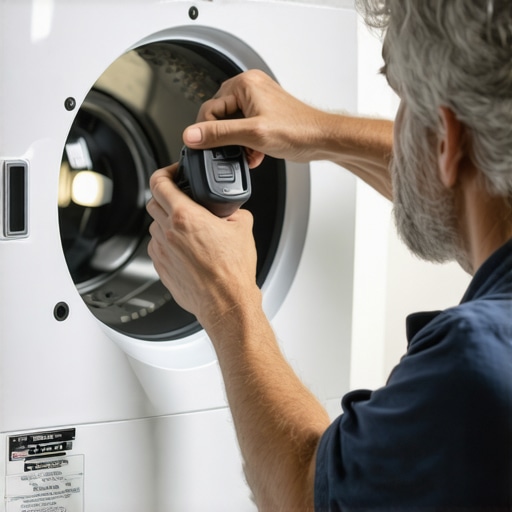
Lessons from a Laundry Near Disaster
One of the most eye-opening experiences in my journey with modern dryers was realizing that even small oversights in venting can lead to major safety issues. I had always thought that a simple vent cover was enough, but neglecting proper material choices and installation details taught me that the devil is in the details. Now, I know that behind every efficiently drying load is a carefully maintained vent system that keeps my home safe and my dryer functioning at peak performance.
Another key lesson was understanding that technology advancements like smart sensors and eco-friendly heat pump dryers require equally smart venting solutions. Relying solely on new features without addressing fundamental safety rules is a mistake I’m glad I stopped making. Investing in quality materials and routine checks offers peace of mind that your laundry routine doesn’t come with hidden risks.
Lastly, I learned that understanding the nuances, such as ensuring proper airflow and preventing blockages, makes a tangible difference in energy savings and appliance longevity. Adapting these practices has transformed my laundry experience from a chore into a confident, safe routine—something I highly recommend for everyone embracing modern dryer tech.
Tools and Resources That Changed My Laundry Game
- DEPSTECH Wi-Fi Endoscope: This inspection camera is my go-to for inside ducts, allowing me to spot lint buildup without dismantling the system. It’s essential for proactive maintenance.
- Digital Anemometer: Measuring airflow at the vent outlet confirmed my system’s efficiency, helping me identify potential issues early.
- Smart Vent Sensors: These alerts have saved me from unforeseen blockages, ensuring my dryer runs safely and efficiently, especially with upcoming regulations in 2026.
- Energy-efficient models guides: Learning about the best dryers for my needs helped me make informed choices and optimize performance while saving money on utilities.
Your Next Move to Safer Laundry Days
As dryer technology evolves and regulations tighten in 2026, staying informed and proactive is key. Proper venting is not just about efficiency; it’s a vital safety habit that protects your home and loved ones. Embrace these insights, upgrade with smart tools, and enjoy the peace of mind that comes from knowing your laundry routine is both safe and high-performing. Ready to take your dryer setup to the next level? Your best laundry days are just ahead!
What has been your biggest challenge in maintaining safe and efficient dryer venting? Share your story below—I’d love to hear your experiences!

Leave a Reply