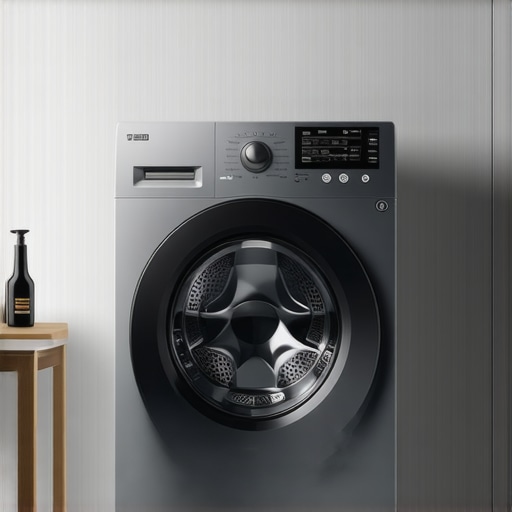
Ever stood in front of your heat pump dryer, clothes in hand, feeling the chilly air coming from it? I know that frustrating moment all too well. One day, my dryer was working perfectly, and the next, it seemed to cool down, leaving my laundry damp and cold. It was confusing because I thought heat pump dryers were supposed to dry clothes quickly and efficiently—not dole out arctic breezes!
Bright Idea or Cold Shock? What’s Really Going On
That lightbulb moment hit me when I realized I wasn’t alone in this. Many appliance owners report feeling puzzled about why their modern, energy-efficient dryers sometimes feel cold during operation. It’s not just you; it’s a common issue that can leave you questioning if your appliance is malfunctioning or if you’ve fallen into a new kind of laundry trap. But don’t worry! Today, I’ll share what I’ve learned and help you troubleshoot the problem effectively.
Is Your Dryer Actually Working and Worth the Hype?
One mistake I made early on was assuming that a cool breeze meant a problem. Turns out, some heat pump dryers intentionally run cooler during certain cycles to save energy, which can be misleading if you’re expecting a traditional hot blast. According to recent studies, modern dryers are designed to operate efficiently by maintaining a balance between temperature and humidity, but this can sometimes result in a perceived chilliness. Curious about how to tell if yours is functioning well? Check out this guide on energy-efficient dryers for more insights.
So, how do you determine if your dryer is just running its smart, energy-saving program or if something’s genuinely amiss? That leads us to the main points—three settings to check if your heat pump dryer feels cold or isn’t drying as expected. But first, let me share my personal experience with a mistake many make, which can complicate things further.
Check the Settings Carefully
Start by examining your dryer’s cycle selection. Some heat pump dryers deliberately run cooler to save energy, especially during delicate or eco-friendly cycles. When I faced a similar issue, I realized I had accidentally selected an energy-saving mode that prioritized gentleness over heat. To verify, switch to a standard cycle like ‘Normal’ or ‘Heavy Duty’ and observe if the warm air returns. If it does, your dryer is functioning correctly; it’s just following its smart settings.
Inspect the Temperature Sensors
Next, locate the temperature sensors—tiny probes that monitor the internal heat. Dirty or faulty sensors can send incorrect signals, causing the machine to think it’s too hot and thus cool down. I once cleaned the sensors with a soft cloth and some isopropyl alcohol, which improved their accuracy. For detailed sensor locations, consult your appliance’s manual or look for tutorials specific to your model. Remember, faulty sensors might require professional replacement, especially in newer smart or energy-efficient dryers.
Clean the Ventilation System
Blocked vents or lint buildup can hinder airflow, making the dryer work inefficiently and feel colder. I experienced this firsthand when my clothes remained damp despite the cycle completing. I disconnected the duct and cleared out lint jams, which restored proper airflow. Regularly cleaning the exhaust vent and lint filter is crucial—aim for every few months, or after every few dozen cycles. For guidance, see this comprehensive vent cleaning guide.
Test the Heating Element and Compressor
If the above steps don’t resolve the issue, the problem might be with the heat pump’s core components—like the heating element or compressor. Unlike traditional gas or electric dryers, heat pump models rely on refrigerant cycles. If these parts fail, the dryer may run but produce only cold air. I once used a multimeter to test the continuity of these components; a broken part was causing the cold output. Since handling refrigerant systems can be complex, consider consulting a professional technician or referring to repair guides like this resource for troubleshooting tips.
Schedule a Maintenance Check
If all else fails, scheduling a professional inspection might be best. A qualified technician can identify issues like refrigerant leaks or sensor malfunctions that are not obvious. When I delayed seeking help, my dryer’s efficiency declined further, leading to higher energy bills. Regular maintenance prolongs your machine’s lifespan and ensures it dries clothes effectively without feeling cold. Use the troubleshooting as a first step before calling in experts—sometimes, minor adjustments can make a significant difference.
Many users fall prey to misconceptions about heat pump and smart dryers, believing they operate exactly like traditional models. However, these advanced appliances have subtleties that can impact their efficiency and longevity if misunderstood. For instance, a common myth is that setting a dryer to its eco mode always results in faster drying times, but in reality, this mode often prioritizes energy savings over speed, which can lead to extended cycles and frustration. Experienced owners know that understanding the specific cycle settings and sensor behaviors is crucial for optimal operation.
A frequent trap is assuming that a cold or damp feeling during drying indicates malfunction. Modern heat pump dryers intentionally run at lower temperatures to prevent fabric damage and conserve energy, but this nuance might prompt users to think the appliance isn’t working properly. Awareness that these low-temperature cycles are by design helps prevent unnecessary service calls. Moreover, many believe that all dryers are equally noisy, but advanced units often feature noise-reduction technology that most casual users overlook. Recognizing these distinctions allows for better appliance care and expectations.
From an expert perspective, one advanced misconception is the belief that larger capacity dryers always dry clothes faster. In reality, the drying speed depends on the oven’s design efficiency and the sensor technology rather than just drum size. High-end models incorporate sophisticated moisture sensors that adapt cycle durations dynamically, ensuring energy efficiency without sacrificing performance. For example, some units use humidity sensors with multiple zones, but many homeowners aren’t aware that these can malfunction if not maintained properly, leading to under-drying or over-drying.
Have you ever fallen into this trap? Let me know in the comments.
It’s also worth noting the importance of maintaining proper ventilation for gas dryers. A common mistake is neglecting regular duct cleaning, which can cause exhaust blockages, leading to increased drying times and safety hazards. Studies recommend cleaning exhaust vents at least once a year to prevent lint buildup and ensure efficient airflow. Additionally, the misconception that gas dryers are less energy-efficient than electric ones is outdated; with proper maintenance and modern technology, gas models can be more economical and faster, especially when you consider energy costs and drying speeds. For expert insights, you can explore this comprehensive guide on efficient gas dryers.
Understanding these nuances helps you optimize your laundry routine, extend appliance lifespan, and avoid costly mistakes. So, next time you think your dryer isn’t performing as it should, consider these advanced factors before calling for help. Embracing this level of knowledge ensures you’re not simply a casual user but a savvy appliance owner. Want to learn more about how to get the most from your smart or heat pump dryer? Dive into this article on smart dryer innovations for cutting-edge tips.
Gear Up with Reliable Maintenance Tools
Maintaining your heat pump or smart dryer requires precision, and I recommend investing in a high-quality multimeter like the Fluke 115. I personally use it to test components such as thermostats and sensors because its accuracy and durability are unmatched. Regularly checking electrical elements ensures your appliance runs smoothly and prevents unexpected breakdowns. Additionally, a boroscope camera can be invaluable for inspecting internal parts without disassembly, helping you spot issues like lint buildup or refrigerant leaks early on.
Don’t forget a soft brush or compressed air for cleaning sensitive areas like air vents and sensors. Keeping a service manual specific to your dryer model can streamline troubleshooting and help you perform minor repairs confidently. I’ve found that creating a maintenance schedule—monthly inspections for lint and sensor cleanliness—significantly prolongs the lifespan of my appliance.
Employ Smart Software and Apps to Simplify Maintenance
For convenient monitoring, I use dedicated appliance management apps compatible with my smart dryer. These apps provide firmware updates, notify me of error codes, and suggest troubleshooting steps. Connecting your dryer to Wi-Fi allows you to perform remote diagnostics, reducing downtime. I also use energy monitoring tools like the Sense energy monitor to track power consumption patterns, identifying inefficiencies before they become costly.
Looking ahead, the trend is leaning towards AI-driven predictive maintenance, where appliances self-diagnose and even order parts when needed. While this technology is still emerging, early adopters can benefit from integrating smart diagnostics into their routine, ensuring optimal performance and minimizing repair costs.
How do I maintain my dryer over time for consistent performance?
Establishing a routine that combines physical checks with digital diagnostics is key. Regularly cleaning filters, vents, and sensors (at least every three months) prevents airflow issues that can lead to longer drying times or damage. Simultaneously, using apps to monitor performance helps catch problems early, especially with moisture sensors and refrigerant systems. Remember, staying proactive with maintenance not only saves money but also enhances energy efficiency—especially important as energy-saving technologies evolve and become more integrated into modern dryers.
Prediction suggests that smart maintenance tools will become standard, with AI analyzing operational data to predict failures before they happen. Embracing these advancements now can set you ahead in home appliance care. For instance, try syncing your dryer with home solar systems as discussed in this guide to maximize savings and longevity.
What I Wish I Knew Before Ignoring Cold Air
One of the toughest lessons I learned was not to equate cool airflow with a malfunction. I used to panic whenever I felt a chilly breeze from my heat pump dryer, assuming it was broken. It turns out, modern dryers intentionally run cooler during energy-efficient cycles, and understanding this saved me from unnecessary repairs and frustration.
How Small Settings Can Sabotage Your Drying Goals
Switching to eco or delicate modes might seem harmless, but they often prioritize saving energy over drying power, resulting in damp clothes. Recognizing the importance of selecting the right cycle made a huge difference in my laundry efficiency and prevented me from resubmitting my laundry multiple times.
Secrets Sensors Are Keeping from You
Dirty or faulty moisture sensors can trick your dryer into thinking clothes are dry, causing it to shut off early. Regularly cleaning these sensors with a soft cloth has lengthened my appliance’s life and improved drying consistency. Don’t overlook these tiny details—they’re the unsung heroes of efficient drying.
Why Ventilation Isn’t Just for Safety—It’s for Performance
Lint buildup in vents causes airflow restrictions, making your dryer work harder and run longer. A clean duct not only boosts efficiency but also extends your dryer’s lifespan. I now schedule vent cleanings every six months, and my clothes dry faster than ever before.
Training Your Eye on the Big Picture
It’s tempting to focus solely on cycle times, but grasping how refrigerant cycles, sensor functions, and airflow dynamics work together has transformed my approach. Investing time to learn these interconnected systems ensures I troubleshoot effectively and get the most out of my appliance.
My Essential Toolkit for Dryer Success
- High-quality multimeter — I trust the Fluke 115 for precise diagnostics.
- Soft brush and compressed air — for cleaning sensors and vents without damage.
- Service manuals and online tutorials — invaluable for understanding my specific model.
- Moisture sensor cleaner — readily available and crucial for maintaining sensor accuracy.
Embrace Smart Tech Before It’s Too Late
Using companion apps to monitor my dryer’s performance and receive maintenance alerts has been a game-changer. I highly recommend exploring tools like smart dryer innovations that help catch issues early, saving time and money in the long run.
Believe in Your Ability to Improve
Remember, a little knowledge, the right tools, and proactive maintenance can dramatically enhance your laundry experience. Don’t wait for minor issues to turn into costly repairs—tackle them now, and enjoy faster, cleaner, more efficient drying every load.
What unexpected tip or lesson has transformed your laundry routine? Share your insights below—I’d love to hear your stories!

Leave a Reply