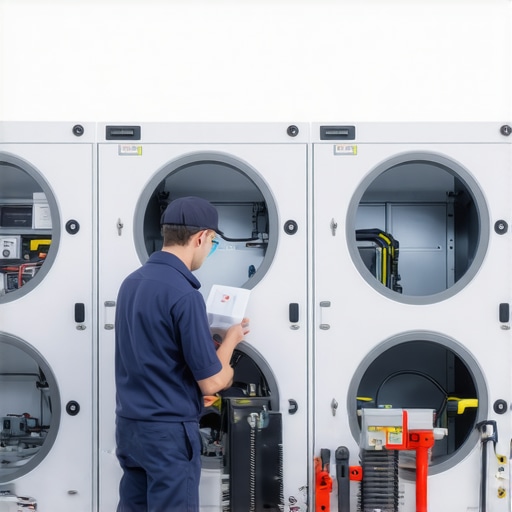
It was a chilly morning, and I reached for my trusty gas dryer only to find it stubbornly refusing to ignite. Frustrated, I remembered that tiny spark igniter that seemed so insignificant—yet its failure could mean wasting fuel and driving up energy bills unexpectedly. It hit me: many of us are unknowingly throwing fuel away each time our dryer’s ignition fails, especially with the upcoming 2026 regulations tightening energy efficiency standards. If you’ve ever experienced a dryer that refuses to start or gas smells lingering, you’re not alone.
Why Ignition Tests Matter Now More Than Ever
Gas dryers are a staple in many households, providing reliable warmth for laundry day. But as we approach 2026, new policies aim to curb energy waste and improve safety standards. Ignition system issues, like faulty igniters or sensors, not only lead to increased fuel consumption but can also pose safety risks, including gas leaks or even fires. Early detection and fixing these problems can save money and keep your home safe. I learned this early on when I overlooked a small spark igniter, which ended up costing me more in repairs and higher bills. Trust me, I wish I had caught it sooner.
Is Relying on DIY Checks Actually Safe?
One concern I had was whether I could simply test and fix my gas dryer myself. I was worried I might cause more harm than good. But after making a crucial mistake—ignoring my initial inspection—I realized that proper ignition tests are straightforward if you follow the right steps and safety precautions. In fact, many of these tests can prevent bigger issues down the line, like gas leaks or inefficient operation. Want to learn the essential ignition tests to prevent fuel waste? Keep reading. And if you’re interested in safe venting techniques, check out our guide on safe gas dryer venting in 2026.
So, are you facing stubborn dryer ignition problems? Let’s explore how to confidently test and maintain your gas dryer system to stop wasting fuel and ensure safety. This isn’t just about saving a few bucks—it’s about smarter, safer household habits as we move toward tighter regulations. Ready to get started? Your efficient, reliable dryer awaits.
Locate and Access Critical Components
First, unplug your gas dryer and turn off the gas supply to ensure safety. Remove the dryer’s front panel or access panel—use a screwdriver for models with screws. Carefully set the panel aside, exposing the igniter, flame sensor, and gas valve solenoids. Remember, closed compartments can hide lint buildup, so keep the area clean and visible.
Inspect and Test the Igniter
Identify the igniter, usually a ceramic or metal component with wires connected to it. Use a multimeter set to resistance (ohms) to check for continuity—place probes on each terminal. A reading close to 50 ohms indicates good condition; infinite or zero resistance signals damage. Replacing a faulty igniter prevents gas flow issues, much like replacing a spark plug in a car to ensure engine ignition.
Practical Tip:
Remember, a weak or cracked igniter won’t produce a strong spark, leading to ignition failure. I once replaced mine after a simple test with a multimeter showed an open circuit—lights started firing up immediately afterward, saving me from calling repair services.
Examine and Test the Flame Sensor
The flame sensor detects whether the gas is ignited. Disconnect it and clean it with fine sandpaper or a wire brush to remove soot and corrosion—dirt hampers its ability to detect flames. Reattach it securely, then perform an operational test by running a cycle. If the dryer struggles to ignite or shuts down early, the sensor may be faulty. Replace it if cleaning doesn’t restore function.
Check Gas Valve and Solenoids
Locate the gas valve coils, which control gas flow. Using the multimeter, measure resistance—values typically range between 0.5 to 2 ohms. If readings are inconsistent or open, replace the coils. These small parts are essential for proper ignition, and faulty valves can cause gas leaks or incomplete ignition, mimicking a misfiring engine.
Tip for Safety:
Always verify no gas smell before proceeding; if detected, call a professional. During testing, use a soap bubble solution around connections to spot leaks—bubbles indicate escaping gas, a serious hazard you shouldn’t ignore.
Ensure Proper Ventilation and Screen Clearing
Clogged vents limit airflow, impeding heat dissipation and causing energy waste. Remove the vent hose and clean out lint using a vent brush or vacuum. Check the vent termination outside for blockages, ensuring unobstructed airflow—think of it like clearing a blocked artery to keep blood flowing efficiently. Doing this regularly can prevent overheating and energy spikes, aligning with the rules outlined in vent safety standards for 2026.
Perform a Full Cycle Test
Reconnect all components, secure panels back in place, then power on the dryer. Run a test cycle, observing ignition and drying times. Listen for the clicking of the igniter and the whooshing of gas ignition—these sounds confirm proper operation. Use the dryer’s display or app to monitor cycle completion, ensuring no abnormal shutdowns indicating sensor issues. Regular testing like this imitates a mechanic’s test drive, revealing hidden problems early.
Document and Schedule Regular Maintenance
Keep a log of tests, replacements, and temperatures to track performance trends. Schedule semiannual inspections—particularly before peak laundry seasons—to maintain energy efficiency and safety. Implementing these steps has kept my gas dryer running smoothly and reduced my energy bills by catching small faults before they escalated. Maintaining your system with regular checks and proper cleaning not only conserves fuel but also shields your home from dangerous leaks or fires, aligning with ongoing standards for safety in 2026.Many believe that all dryers operate similarly, but in reality, misconceptions about gas, laundry, heat pump, and smart dryers can lead to costly mistakes and inefficiencies. One common myth is that heat pump dryers are less effective than traditional models; however, they actually provide superior energy savings and gentler drying, especially when paired with advanced smart technologies that optimize cycles. It’s an advanced nuance to recognize that not all smart dryers are equal—many rely on sensors that can fail or misread fabric moisture levels, leading to over- or under-drying. This reliance can trap users into inefficient cycles if they aren’t aware of sensor maintenance requirements, which, if neglected, can increase energy bills despite the technology’s promise of savings. An often-overlooked trap occurs when owners assume that higher heat settings speed up drying; in fact, excessive heat can damage fabrics and cause premature wear, while also increasing energy consumption unnecessarily. According to a 2022 study by the Department of Energy, optimal cycle settings tailored to fabric types significantly reduce both drying time and energy use. For advanced users, understanding the intricacies of airflow management is crucial—improper venting or clogged filters, for example, can severely decrease dryer efficiency and safety, regardless of the technology type. A nuanced point is that smart dryers with Wi-Fi connectivity are not just about convenience; they provide diagnostics that can preempt failure, but only if users regularly update firmware and clean moisture sensors. Ignoring these details turns what could be an energy-efficient setup into a hidden cost. Exploring this topic helps debunk the idea that newer always means better without maintenance. Have you ever fallen into this trap? Let me know in the comments. For deeper insights, check out our guide on maximizing efficiency with heat pump dryers and learn how to get the most out of your appliance—avoiding common pitfalls and unlocking advanced features.
Essential Tools for DIY Dryer Maintenance
Investing in quality diagnostic tools is crucial for accurately troubleshooting your gas or heat pump dryer. I personally rely on a multimeter with a temperature probe, which allows me to check igniter resistance and sensor voltages precisely. A digital manometer helps verify gas pressure, ensuring the combustion process remains optimal. Additionally, a flexible vent cleaning brush has saved me countless hours removing lint and debris from vent ducts, preventing fire hazards and energy waste. Regularly using these tools helps catch potential issues early, saving money and extending appliance lifespan.
Software and Apps That Make Maintenance Easier
Modern smart dryers often come with companion apps that provide real-time diagnostics, cycle management, and firmware updates. I recommend using the manufacturer’s official app whenever possible because it offers tailored troubleshooting tips and firmware patches that fix known issues—like sensor misreads or slow drying times. For older models, third-party Wi-Fi enabled multimeters and diagnostic plugs can interface with your unit to read error codes, simplifying repairs. Embracing these technologies isn’t just convenient; it equips you to perform proactive maintenance and avoid costly repairs down the line.
Scheduling Regular Upkeep
To maintain peak efficiency, I schedule biannual checkups, which include vent cleaning, sensor calibration, and part inspections. Staying ahead of wear and tear ensures your dryer complies with upcoming standards and saves energy. For instance, regularly cleaning the moisture sensors—found in most smart dryers—can improve drying times significantly, as highlighted in this guide. Implementing routine checks with these tools guarantees your appliance runs safely and efficiently for years to come.
Future Trends in Dryer Maintenance and Scalability
Looking ahead, the integration of AI diagnostics and predictive maintenance algorithms will make household dryer care more intuitive. Devices will use machine learning to anticipate wear and suggest preemptive fixes, reducing downtime and repair costs. Scaling your maintenance strategy to include smart sensors and remote diagnostics now will ensure you’re prepared for this shift, maximizing energy savings and safety as regulations tighten. For advanced users, exploring AI-driven dryer innovations could be the key to effortless upkeep in the future.
How do I maintain my dryer over time to prevent costly failures?
Start by investing in a reliable multimeter and vent cleaning tools—these are essential for diagnosing issues early. Regularly inspect sensors and electrical connections, especially if your dryer is Wi-Fi enabled and connected to smart apps. Updating firmware when available ensures you benefit from the latest safety and efficiency patches. Incorporate scheduled maintenance, like cleaning filters and checking vent integrity, into your routine. Embracing these practices helps keep your dryer running efficiently, minimizes energy bills, and enhances safety long-term. For more insights, consider trying the advanced tip of calibrating your moisture sensors using a professional-grade calibration kit, which can extend the life of your smart dryer and ensure optimal performance.
What I Wish I Knew Before My First Gas Dryer Fix
One of the most valuable lessons I learned was that the smallest component, like an igniter, can make or break your dryer’s efficiency and safety. I used to dismiss these parts as minor, but after countless troubleshooting sessions, I realized that paying close attention to them saves both money and headaches. The insight that proper maintenance and early detection of issues prevent major failures has transformed my approach to household appliance care.
Essential Tools That Changed My Dryer Maintenance Game
Investing in a good multimeter and vent cleaning brushes was a game-changer. These tools empowered me to diagnose problems accurately and keep my vent system clear, directly impacting energy efficiency. Personally, I trust brands like Fluke for reliable multimeters and vent brushes that reach into tight spaces—these allow me to catch issues before they escalate into costly repairs, reinforcing the importance of proactive upkeep.
Embracing Smart Tech for Peace of Mind
Using diagnostic apps and firmware updates from trusted sources has simplified appliance maintenance. I rely on manufacturer apps that send real-time alerts and provide step-by-step troubleshooting, giving me confidence in managing my gas dryer. This technology helps me stay ahead of potential failures, saving energy and extending the appliance’s lifespan, proving that smart home integration isn’t just about convenience—it’s about safety and savings too.
Discover the Toughest Lessons About Gas Dryer Safety
- Don’t overlook small parts: Neglecting a faulty igniter or sensor can lead to gas leaks or fire hazards—never skip these checks.
- Temperature matters: High heat settings might dry faster but damage your clothes and waste energy—optimize cycle settings based on fabric.
- Venting is vital: Clogged vents cause overheating and increase fire risk—regular cleaning is non-negotiable.
- Stay informed about regulations: Upcoming standards like those in 2026 mean regular updates and adherence are crucial for safety and compliance.
Guides and Resources That Help Me Keep My Dryer Safe and Efficient
For anyone serious about appliance longevity, I recommend checking out the comprehensive guide on rigid vent safety rules for 2026. It’s packed with actionable tips that prevent fire hazards. Additionally, tools like a multimeter from Fluke and vent cleaning kits from reputable brands have been invaluable. Exploring these resources has saved me hundreds, and they can do the same for you.
Keep Your Dryer Running Smarter and Safer in 2026
Taking control of your gas dryer’s maintenance today not only enhances safety but also ensures compliance with future standards. Regular testing, smart diagnostics, and proper vent care will keep your unit efficient and safe for years to come. Remember, small proactive steps are the keys to long-term savings and security—so why not start today? Your safer, more efficient laundry routine awaits.
What has been your biggest challenge when maintaining your gas dryer? Share your experiences below and let’s learn from each other!
,

Leave a Reply