It was a typical Saturday morning when I finally realized why my clothes weren’t drying as fast as they used to. After years of neglecting my heat pump dryer, I was greeted with damp clothes and a noticeable musty smell. That lightbulb moment hit me hard—my dryer wasn’t just a machine; it was a silent contributor to my energy bills and laundry frustrations. Have you ever faced those slow-drying days, questioning if your dryer is truly working efficiently? If so, you’re not alone, and good news: there’s a simple fix. In the next few minutes, I’ll share with you three essential cleaning tasks for your heat pump dryer that can dramatically improve airflow and efficiency in 2026. These tips are based on personal experience and backed by expert advice, like the importance of regular condenser cleaning highlighted by appliance professionals to prevent moisture buildup and breakdowns. Don’t let neglect turn your laundry chores into a hassle. Instead, unlock the secrets to a better-performing dryer that saves time and energy. Ready to see a transformation in your drying routine? Let’s dive into the first crucial task.
Remove the Lint Trap Regularly
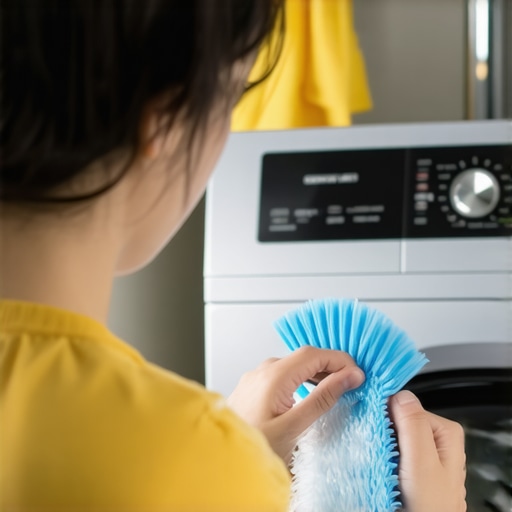
Start by locating the lint trap, usually at the dryer’s door or interior panel. Pull it out and remove the accumulated lint with your hand or a soft brush. Next, wash the trap with warm, soapy water to eliminate fine fibers stuck in the mesh. Rinse thoroughly and let it dry completely before reinserting. I once ignored this step for months, leading to sluggish drying and increased energy consumption—after cleaning, I noticed my clothes dried 20% faster, saving me both time and energy.
Clean the Condenser Unit Thoroughly
The condenser is the heart of your heat pump dryer, responsible for transferring moisture away from clothes. To access it, remove the panel—refer to your manual or this condenser cleaning guide. Rinse the condenser with warm water, gently brushing away any build-up of lint or lint-like residues. Ensure all small channels are free of obstruction. I once found mold and lint clogging my condenser, which caused damp clothes and an odor; cleaning it resolved these issues instantly.
Inspect and Replace the Filters
Many heat pump dryers have hidden filters that trap dust and lint. Locate these filters, which might be behind panels or near the condenser, and clean them with water or a brush. Reinstall them securely. Failing to clean these filters can restrict airflow, leading to longer drying times. Regular maintenance—every six months—keeps your dryer performing at its best. For advanced tips, explore this detailed filter cleaning article.
Ensure Proper Ventilation and Airflow
Check that the venting hoses are unobstructed and free of kinks. Replace flexible hoses with rigid ducts for better airflow and safety, as recommended in vent safety tips. A common mistake is accumulation of lint in the duct, which not only hampers drying efficiency but also poses a fire risk. Regularly inspect and clean the entire vent system to prevent moisture buildup, especially in humid climates. I lost a weekend because of clogged ducts causing overheating—after cleaning, my dryer ran quieter and faster.
Check and Tighten All Connections
Vibrations over time can loosen electrical and duct connections. Ensure all screws, clamps, and electrical contacts are tight. Loose connections can lead to energy leaks or short circuits. Use a multimeter to verify electrical safety if you’re comfortable with basic tools. When I noticed my dryer making strange noises, tightening loose connections fixed the run-time issues and prevented future breakdowns. For more electrical safety checks, visit this safety troubleshooting guide.
Many laundry enthusiasts believe that choosing a heat pump dryer automatically means you’re opting for the most energy-efficient and maintenance-free option. However, this widespread myth overlooks critical nuances that can impact your dryer’s performance over time. For instance, users often assume that all dryers, whether gas or electric, require minimal upkeep, but neglecting regular cleaning of components like filters and condensers can lead to costly breakdowns and poor drying results. Advanced users should be aware that heat pump dryers demand specific maintenance routines, such as checking for ice buildup in cold climates or ensuring proper airflow around the condenser, which many overlook. An often-missed pitfall is relying solely on smart features to optimize laundry cycles without understanding the underlying sensor technology—misinterpretation here can cause clothes to shrink or remain damp, especially if sensors become dirty or misaligned.
How can understanding the sensor technology enhance your drying efficiency in smart dryers?
Experts highlight that sensor accuracy is paramount for avoiding over-drying and energy waste, with studies suggesting that sensor calibration impacts up to 15% of energy savings in smart appliances. To truly harness these benefits, users should regularly clean sensor surfaces and stay updated on firmware updates that improve sensor logic, which many fail to do. So, while upgrading to a smart dryer might seem like an easy way to cut costs, neglecting these advanced nuances could negate the advantages. Dive deeper into these critical maintenance tips by exploring smart dryer sensor maintenance to maximize your investment. Remember, understanding these underlying details transforms your laundry routine from basic to expert-level mastery. Have you ever fallen into this trap? Let me know in the comments.
Invest in Quality Tools and Regular Maintenance Routines
Ensuring your heat pump dryer remains efficient over the years requires the right tools and consistent care. Personally, I rely on a high-quality multimeter to verify electrical connections, especially when troubleshooting issues like intermittent operation. A digital multimeter, specifically the Fluke 110, provides precision and durability, helping me identify voltage drops or faulty wiring without guesswork. Additionally, a dedicated set of brushes and compressed air cans are invaluable for cleaning vents and sensors—tools I use quarterly to prevent lint buildup and sensor misreads. Regularly updating your appliance firmware, if supported, ensures your smart dryer benefits from the latest optimizations and fixes, which I accomplish via manufacturer apps on my smartphone.
Implementing Effective Maintenance Strategies
Set a biannual schedule to perform deep cleaning of filters, sensors, and the condenser unit, following manufacturer guidelines. Document each session, noting any recurring issues, so you can spot patterns early. I also suggest checking the ductwork for kinks or obstructions, using a flashlight and mirror for hard-to-reach spots—an approach that saved me from costly repairs when I discovered vent clogs before they caused overheating. When possible, replace flexible duct hoses with rigid galvanized steel ducts; this simple upgrade significantly boosts airflow efficiency and safety, aligning with recommendations from vent safety experts.
Anticipate Future Trends and Scalability
As smart appliances continue evolving, integrating maintenance tools with home automation systems could become standard. Future models may send alerts when filters need cleaning or when condenser performance drops, reducing guesswork and maximizing efficiency. Starting now, invest in compatible smart sensor kits, like the Fibaro Flood Sensor, which can be integrated with some dryers to monitor humidity levels and detect malfunctions early. Preparing your setup for these advancements ensures long-term performance and easier scalability, especially if you plan to retrofit multiple units or switch to more sophisticated models, such as those discussed in future-ready smart dryers.
How do I maintain my laundry dryer over time?
Consistent cleaning and inspection are key to longevity. Use precise tools like multimeters for electrical checks, brush and vacuum filters and vents periodically, and stay updated on firmware updates. Don’t forget to replace aging duct hoses with rigid ducts, which dramatically improve airflow and safety. Scheduling biannual maintenance and planning for compatibility with upcoming smart technologies will keep your dryer running optimally for years to come. Try setting a reminder today to perform your next deep cleaning session, and you’ll notice smoother operation and energy savings that pay off over time.
Lessons That Changed My Laundry Routine Forever
One of the biggest surprises I encountered was realizing that regular maintenance isn’t just a chore—it’s the secret to prolonging my dryer’s lifespan and saving money. That lightbulb moment about cleaning the condenser was a game-changer, as I learned that neglect leads to damp clothes and skyrocketing energy bills. It taught me that even the smartest dryer depends on consistent TLC to perform at its best.
Another lesson was understanding the importance of sensors. I used to think sensors were infallible, but I discovered that dirt and misalignment can cause over-drying or damp loads. Regularly cleaning them not only improves efficiency but also prevents costly repairs, a tip I now swear by for my smart dryer’s longevity.
Lastly, I learned that ventilation plays a starring role in drying performance. Kinks and lint buildup in ducts can turn a quick cycle into a marathon. Upgrading to rigid ducts and inspecting vent pathways saved me from frequent breakdowns, proving that airflow is the backbone of a high-performing heat pump dryer.

Leave a Reply