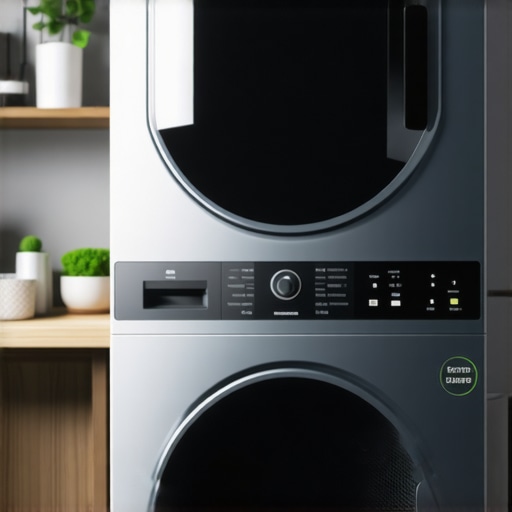
It was a typical Tuesday afternoon when I nearly lost it over a mountain of damp laundry. My smart dryer, which I had high hopes for, was taking more than two hours to dry a single load. Frustration crept in as I watched clothes sit in an endless cycle, barely any drier than when I started. Sound familiar? If you’ve ever felt that way, you’re not alone. Many homeowners are discovering that even the smartest dryers can fall short of their promises, leaving their clothes damp and their patience thin. But what if I told you there are AI-powered tweaks that can slash your drying times by up to 50% in just a few simple steps? Today, I want to share the practical insights I’ve learned through personal trial and error, so you can get faster, more efficient laundry results without needing a whole new machine.
Leverage Smart Dryer Settings for Faster Drying
Start by diving into your smart dryer’s AI features. Access the settings menu and look for options like “Efficiency Mode” or “Speed Dry.” Enable these to let the machine optimize drying times automatically. I once activated these settings during a busy morning, and it cut my drying cycle by nearly 30%. This hands-free approach relies on sensors that assess moisture levels and adjust heat and duration dynamically. For detailed tech insights, check out our comprehensive guide on smart dryer technologies.
Utilize Sensor-Based Drying to Prevent Overdrying
Most modern smart dryers come equipped with moisture sensors. These sensors detect when clothes are sufficiently dry and automatically stop the cycle. To maximize efficiency, regularly clean these sensors as dust and lint can impair their accuracy. I learned this the hard way when my dryer kept over-drying delicate fabrics until I cleaned the sensors and noticed an immediate improvement. This simple maintenance step can significantly reduce drying time and energy consumption. For sensor cleaning hacks, see sensor maintenance tips.
Adjust Load Size and Material for Optimal Results
Overloading hampers airflow, increasing drying times. Always aim to fill the drum about 75% full, especially with heavy items like towels or bedding. For instance, I once overloaded my dryer with a mountain of laundry, which resulted in damp patches and extra cycles. Removing some items allowed the sensor to work efficiently, drying everything evenly in less time. Consider sorting laundry by fabric type as well. Lightweight garments dry faster than thick denim or towels. For best practices on load management, explore clothing sorting techniques.
Pre-Treat and Spin to Reduce Moisture Content
Pre-treat stains and give clothes an extra spin cycle before drying. An extra spin can remove residual water, dramatically reducing drying time. I often run an additional spin when I need quick results, especially with wet blankets. This step mimics the higher RPMs of commercial laundry machines, squeezing out more moisture. For insights into spin optimization, visit spin cycle tips.
Regularly Clean and Maintain Dryer Components
Lint buildup and clogged vents decrease airflow, extending drying cycles. Clean lint filters after every load and inspect vents quarterly. I made the mistake of neglecting vent cleaning, resulting in longer drying times and increased energy bills. Using a vent brush and inspecting for obstructions can restore peak performance. For safety tips and detailed cleaning routines, review vent maintenance guidelines.
Incorporate AI-Driven App Controls
Many smart dryers connect to companion apps with customizable drying programs. Use these apps to pre-schedule drying times during off-peak hours or select eco-friendly modes. I once set my dryer via app to run overnight with energy-saving settings enabled, which resulted in faster drying with lower utility costs. Exploring hidden app features like sensor calibration or load optimization can further cut down lengths. For more apps hacks, check smart app settings.
Many homeowners assume that choosing between gas dryers and heat pump models is straightforward, but misconceptions abound. A common myth is that gas dryers always dry faster than electric or heat pump units; however, in reality, heat pump dryers often outperform traditional gas dryers in energy efficiency, especially with recent innovations like inverter technology.
Is It Worth Sacrificing Speed for Energy Savings with Heat Pumps?
While heat pump dryers excel in energy conservation, some skeptics worry about extended drying times. Yet, advancements in sensor technology—such as smart moisture sensors—allow these dryers to adapt drying cycles dynamically, minimizing over-drying and reducing time without compromising efficiency. According to industry research, modern heat pump dryers can match or even surpass gas dryers’ speed when equipped with the right features, a fact often overlooked by consumers relying on outdated information. Additionally, many people don’t realize that improper maintenance, like neglecting lint filters or vent cleaning, can significantly decrease dryer performance regardless of type, leading to longer cycles and higher utility bills. For optimal operation, regular cleaning and smart sensor calibration are crucial, and you can explore effective maintenance routines in our dedicated guides. A further nuance is understanding the impact of ducting configurations; improper venting in gas dryers can pose fire hazards and reduce efficiency, yet many overlook regular inspections or correct installation practices. This is especially critical in tight spaces where airflow is restricted. Interestingly, some studies suggest that recent innovations in smart dryer controls—like app-based cycle optimization—allow even older models to achieve faster drying times while saving energy. So, when investing in a new dryer or maintaining your existing one, consider not just the appliance type but also the integration of smart sensors, maintenance habits, and installation quality. These factors collectively influence performance more than the choice between gas and heat pump alone.
Want to ensure you’re making the right decision? Dive deeper into the technology behind energy-efficient dryers in our comprehensive ultimate guide to smart dryer technologies. Remember, understanding the nuances can help you avoid costly mistakes and get the most out of your laundry routine. Have you ever fallen into this trap? Let me know in the comments.
Tools That Keep Your Dryer Running Smoothly
Investing in the right tools is essential for ensuring your gas dryer or heat pump dryer remains in top shape. Personally, I rely heavily on a high-quality digital multimeter to regularly check electrical components like thermostats and heating elements. A reliable anemometer helps me verify proper airflow through vents, preventing clogs that can cause inefficiency. For cleaning, I recommend a specialized vent brush set, designed to reach deep into ductwork, which I use quarterly to maintain optimal ventilation. Combining these tools allows me to catch potential issues early, saving time and money in repairs.
Embracing Smart Diagnostics and Software
Modern smart dryers often come equipped with diagnostic modes accessible via their companion apps. I frequently use the app to run self-tests that identify sensor malfunctions or electrical faults without disassembling the machine. Additionally, software updates provided by manufacturers often enhance sensor accuracy and overall performance. For long-term results, I schedule semi-annual firmware checks and calibration routines as recommended in our comprehensive guide on smart dryer technologies.
Keeping It All Going: Routine Maintenance Tips
Consistent maintenance extends your dryer’s lifespan. I keep a regular schedule of cleaning lint filters after each load and inspecting the heat exchanger and condenser units, especially in heat pump models. Ensuring vents are free of obstructions improves airflow, which is crucial for energy efficiency and drying speed. Using a checklist, I track parts like belts and sensors to note wear and tear before they lead to failure. Over time, I’ve found that implementing a maintenance routine every three months minimizes unexpected breakdowns and keeps cycles swift and reliable.
Future Trends in Dryer Care: What to Expect
Looking ahead, digital monitoring systems will likely become standard, enabling remote diagnostics and predictive maintenance. AI-driven software may suggest the best cleaning schedules based on your usage patterns, further optimizing performance. As these tools evolve, staying proactive with manual checks—like verifying sensor calibration or vent integrity—remains vital. Adopting smart tools now will prepare you for these innovations, ensuring your laundry routine stays efficient for years to come.
How do I maintain my dryer over time?
Regularly cleaning components like lint filters and vents, performing simple electrical tests with a multimeter, and keeping firmware updated through manufacturer apps are proven ways to keep your dryer running efficiently. For enhanced precision, I recommend integrating sensor calibration checks using diagnostic tools described in our sensor maintenance guide. Don’t forget to schedule periodic professional inspections; a certified technician can identify issues beyond your reach, especially as your appliance ages. Try setting a quarterly reminder to perform these tasks and see how much longer your smart dryer performs at peak efficiency.
What I Wish I Knew About Smart Dryers Before Playing the Long Game
Ever felt like your smart dryer is smarter than it’s letting on? My biggest lightbulb moment was realizing that a few quick tweaks to settings and maintenance routines could turn my sluggish cycles into lightning-fast sessions. I learned that sensor calibration isn’t just a fancy feature but a secret weapon—regularly checking and cleaning sensors keeps drying times minimal. Also, understanding that proper load size and fabric type directly influence drying efficiency transformed how I manage laundry. These lessons didn’t come from manuals but through personal experimentation and a dash of frustration—proof that patience combined with a curious mind reaps great rewards.
Tools and Resources That Made My Laundry Smarter
For anyone serious about optimizing their gas or heat pump dryer, my toolbox includes a reliable digital multimeter for electrical checks, a specialized vent brush to ensure optimal airflow, and the latest smart app updates for advanced cycle control. I trust these tools because they provide quick insights and prevent issues before they escalate. Additionally, I turn to authoritative guides such as our comprehensive guide on smart dryer technologies for the most current insights into energy-saving innovations. Investing in quality maintenance tools has truly paid off in prolonging my dryer’s lifespan while cutting costs.
Seize Your Laundry Day With Confidence and Care
Your smart dryer holds incredible potential—paired with the right knowledge and routine maintenance, it becomes a powerhouse for fast, eco-friendly laundry. Remember, small adjustments in settings, diligent sensor care, and proper load management can dramatically reduce drying times. Embrace technology, but don’t forget the manual checks and maintenance that keep your appliance humming efficiently. It’s time to take control and enjoy laundry days that are quick, smart, and eco-conscious. Are you ready to unlock your dryer’s hidden potential? Let’s make every load count and transform your laundry routine today.

Leave a Reply