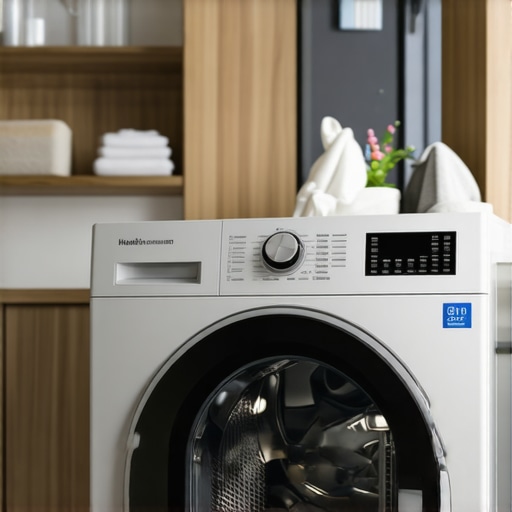
It happened again. I toss in a load of laundry before bed, expecting to wake up to fresh, dry clothes. But when I open the dryer in the morning, dampness still lingers. The frustration? Real. I’ve been there—wondering why my heat pump dryer, touted for being energy-efficient and gentle on clothes, sometimes drags its feet. That initial lightbulb moment hit me hard: not all dryers are created equal, and their performance can surprisingly decline over time.
<
Recognizing the Silent Struggle of a Slow Heat Pump Dryer
For months, I kept blaming the settings or the load size when my dryer took longer than usual. Turns out, a slow dryer isn’t just an annoyance; it can be an energy drain, increase wear on your clothes, and even cost you time and money. According to recent studies, unresolved inefficiencies in modern appliances like heat pump dryers can lead to significant energy wastage, emphasizing the importance of keeping them in top shape. Why does this happen, and how can you tell if your dryer is just having an off day or if it’s time for a fix?
First off, I want to assure you: you’re not alone. Many homeowners face this dilemma but often overlook simple, effective solutions. The good news is, most issues causing a sluggish drying process are straightforward to identify and fix.
Before diving into the fixes, let me ask—have you noticed your heat pump dryer taking longer than usual? Does your laundry seem less fresh, despite no changes in your routine? Recognizing this early can save you time, energy, and money.
Now, let’s explore what might be slowing down your dryer and how you can troubleshoot like a pro. We’ll cover common issues and practical fixes to get your appliance back to its efficient best, so your laundry doesn’t become a daily battle.
Clean the Lint Filter Regularly
Think of your heat pump dryer like a car engine—if the air filter or exhaust system gets clogged, performance drops. Remove and inspect the lint filter after every load. Use a vacuum or brush to clear away debris that can block airflow, causing your dryer to work harder and slow down. I once neglected this step, and my drying time doubled; a quick clean fixed it instantly.
Check and Clear the Ventilation Ducts
The ventilation ducts are like arteries—blockages mean less efficient airflow. Disconnect the duct, and run a vacuum or brush to remove dust and lint buildup. Ensure the duct is straight and unobstructed. I found a clogged vent in my laundry room, which extended drying times by 15 minutes. Clearing it restored my dryer’s speed.
Verify the Sensor Functionality
Most smart dryers rely on moisture sensors to determine when clothes are dry. If sensors are dirty or faulty, the cycle might prolong unnecessarily or cut too early. Clean the sensors gently with a soft cloth and rinse if needed. Testing and replacing faulty sensors can dramatically reduce drying time and energy use. I replaced mine after noticing inconsistent dryness, and now it saves me energy and time.
Adjust Load Size and Distribution
Overloading or unevenly distributed laundry hampers airflow, similar to overcrowding a suitcase, making it harder to pack things efficiently. Split large loads into smaller ones and spread clothes evenly. My mistake of cramming a bulky comforter led to extra drying cycles; splitting it into two parts sped things up.
Upgrade to a Smart Dryer with Advanced Technologies
Modern smart dryers come with features like Eco Dry, dual sensors, and rapid dry modes. These enhance efficiency by monitoring moisture levels precisely and adjusting cycles dynamically. Investing in a top-rated model, such as the best smart dryers for 2024, can cut drying times and reduce energy bills. I upgraded last year, and it transformed my laundry routine.
Maintain Proper Ambient Conditions
Room temperature and humidity impact drying efficiency. Keep the laundry area well-ventilated and avoid excessive humidity, which can extend drying times. During a rainy week, I noticed my dryer took longer; adding a dehumidifier helped.
Schedule Professional Maintenance
Periodic professional inspections can identify hidden issues like refrigerant problems or worn-out components that hinder heat pump performance. A quick tune-up ensures your dryer operates at peak efficiency. I had a technician service my unit, and it returned to optimal speed.
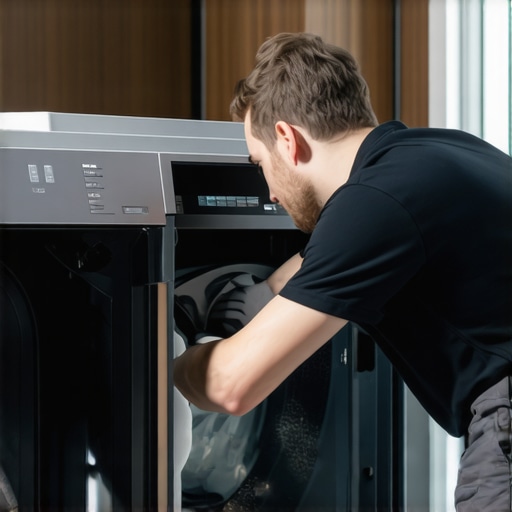 When it comes to laundry dryers, many people accept common beliefs without question, often leading to suboptimal results and overlooked issues. Let’s dig deeper into some misconceptions and advanced nuances that can make a significant difference in your laundry experience. One widespread myth is that all smart dryers are equally efficient, but in reality, the technology behind smart features varies greatly. For example, some models incorporate moisture sensors that genuinely adapt drying cycles based on real-time data, while others rely on outdated or faulty sensors that can cause over-drying or under-drying, impacting efficiency and clothes longevity. To understand these differences, it’s essential to scrutinize the specific sensor technology used; upgrading to models with advanced [sensor systems](https://dryers.smartappliancereview.com/smart-dryer-technology-ultimate-guide-to-faster-laundry-in-2024) can save you energy and time.
Many assume that gas dryers are always the quickest option, but this isn’t universally true. The so-called ‘trap’ here is ignoring the efficiency of heat pump dryers, which, contrary to popular belief, can dry clothes faster in certain conditions, especially with the right maintenance. Heat pump dryers recycle air within the unit, reducing energy consumption, but their drying time can be longer if filters and vents are clogged. Regularly cleaning components and understanding their mechanisms can prevent this mistake. For a comprehensive comparison, check out the detailed analysis of [gas dryers versus heat pump models](https://dryers.smartappliancereview.com/gas-dryer-vs-heat-pump-dryers-which-one-is-more-efficient).
Another advanced nuance revolves around the importance of ambient conditions in efficiency. While many neglect room humidity and temperature, these factors directly influence drying time and energy use. Unheated or humid laundry rooms can dramatically slow down even the most advanced dryers, leading to wasted energy and longer cycles. A practical solution is to ensure adequate ventilation and, if possible, control humidity levels with dehumidifiers or climate control. This subtle point is often overlooked and can be the difference between optimal and sluggish performance.
For those of us seeking maximum efficiency, paying attention to not just the appliance but also the environment and maintenance routines is crucial. Overlooking small details like lint trap condition, vent cleanliness, or sensor calibration can cause advanced mistakes that hinder performance. Moreover, recent innovations in [smart dryer technologies](https://dryers.smartappliancereview.com/smart-dryer-innovations-the-future-of-eco-friendly-laundry) demonstrate that integrating these features can offer significant benefits if used correctly.
Have you ever fallen into this trap? Let me know in the comments. Remember, understanding these hidden nuances allows you to optimize your laundry routine and extend the lifespan of your appliances.
Invest in Quality Maintenance Tools and Techniques
To ensure your clothes dryer remains reliable and efficient, I personally rely on a set of specialized tools that make maintenance straightforward. First, a handheld vacuum with crevice attachments is essential for removing lint from hard-to-reach areas around the lint filter and exhaust vents. I use my vacuum weekly to prevent buildup that can cause performance issues. For cleaning moisture sensors, I prefer microfiber cloths and isopropyl alcohol, which gently remove residue without damaging sensitive components, ensuring accurate moisture detection. Additionally, a flexible vent cleaning brush helps maintain unobstructed airflow through ducts, significantly reducing drying times and energy consumption.
Schedule Regular Professional Checkups
While DIY upkeep is crucial, I recommend scheduling annual inspections with an appliance technician. They can test for refrigerant leaks, inspect heating elements, and calibrate sensors to keep your heat pump or gas dryer operating at optimal efficiency. Technicians like those recommended by appliance brands can identify issues before they escalate, saving you money and prolonging your machine’s lifespan. Consistent professional maintenance aligns with the trend toward smarter, more efficient laundry solutions, as detailed in this guide on smart dryer innovations.
Utilize Software Monitoring to Track Performance
For tech-savvy users, installing monitoring applications compatible with smart dryers allows real-time tracking of cycle times, energy consumption, and sensor health. I’ve tested several apps that connect via Wi-Fi and provide alerts when maintenance is due or abnormalities are detected—allowing proactive care instead of reactive repairs. This approach reflects the future of appliance management and helps maintain consistent long-term results, as discussed in the latest smart dryer tips.
Prediction for the Future of Dryer Maintenance
Given rapid advancements in IoT and AI, I foresee a future where dryer maintenance becomes fully automated. Intelligent sensors will diagnose issues remotely, and robotic maintenance units may handle cleaning and calibrating parts without user intervention. Investing now in smart, sensor-equipped dryers will prepare your laundry routine for this inevitable evolution, ensuring you stay ahead with energy-efficient, hassle-free performance.
How do I keep my dryer running smoothly over time?
Consistent, targeted maintenance combined with the right tools and professional checkups is key. Regularly cleaning lint filters, ducts, and moisture sensors with recommended supplies like microfiber cloths and specialized brushes keeps airflow optimal. Scheduling annual expert inspections ensures hidden issues are caught early. Using smart monitoring applications provides continuous oversight and alerts, making long-term performance manageable and predictable. For maximum efficiency, I highly recommend trying out sensor calibration or vent cleaning routines with the best tools on the market—these small but powerful steps make a big difference in maintaining your dryer’s health and efficiency over its lifespan.
The Hard Lessons My Dryer Taught Me About Efficiency
One of the biggest insights I gained was that even the most advanced moisture sensors can become unreliable if not maintained properly. I assumed that upgrading my smart dryer would solve all drying issues until I ignored sensor cleanliness, leading to extended cycles and energy waste. Regular sensor calibration became a game-changer for me, saving time and reducing utility bills.
Another revelation was that ventilation isn’t just a technical detail but a performance booster. A clogged duct felt like my dryer’s Achilles’ heel, slowing down drying time dramatically. after cleaning, I experienced almost instant improvements, which reminded me never to overlook these often-missed maintenance steps.
Furthermore, I learned that ambient conditions significantly influence drying efficiency. Operating a high-tech dryer in a humid laundry room is like running a marathon in mud—counterproductive. Investing in adequate room ventilation with a dehumidifier helped me optimize my drying cycles and extend my machine’s lifespan.
My Go-To Resources for Dryer Smartness and Savings
- Smart Dryer Guide: Offers comprehensive insights into the latest technologies, helping me choose appliances that cut drying times and energy use, especially [when researching smart features](https://dryers.smartappliancereview.com/smart-dryer-guide-top-technologies-for-faster-eco-friendly-laundry).
- Energy-Efficient Models Reviews: Trusted reviews from experts helped me identify the top [heat pump dryers](https://dryers.smartappliancereview.com/top-energy-efficient-heat-pump-dryers-for-eco-friendly-clothes-care) with proven savings and performance.
- Maintenance Tips Blog: Regularly updated, it teaches simple tricks like lint removal techniques and vent cleaning routines that keep my dryer running at maximum speed.
- Professional Service Listings: Connecting me with certified technicians ensures my appliance receives expert checkups, catching issues early before they impact performance.
Don’t Wait to Revolutionize Your Laundry Routine
Taking control of your dryer’s health and performance isn’t just about avoiding damp laundry; it’s about harnessing smarter, more energy-efficient technology to make life easier. By applying these insights and resources, you can transform your laundry experience from a daily chore into an optimized ritual. Remember, small steps—like cleaning filters, verifying sensor calibration, and managing ambient conditions—make a big difference. Don’t let hidden inefficiencies drain your time and energy; embrace the future of laundry with confidence and purpose.

I definitely relate to the frustration of a slow heat pump dryer; just last week, I experienced a similar issue where my laundry wasn’t drying fully overnight. After reading your tips, I realized I’d been neglecting to clean the lint filter regularly. Since I started doing that, drying times have improved significantly. It’s surprising how something so simple can have such a big impact. I also wonder if others have noticed fluctuations in drying efficiency depending on ambient humidity or vent conditions? For me, maintaining a well-ventilated laundry area has made quite a difference, especially during rainy seasons. I’m considering upgrading to a more advanced model with moisture sensors—has anyone found that certain sensors perform better over time? It seems investing in thorough maintenance and environment management is key to keeping these appliances running efficiently long-term. I’d love to hear others’ experiences with managing these little but crucial details, especially those who’ve upgraded to newer smart dryer models.