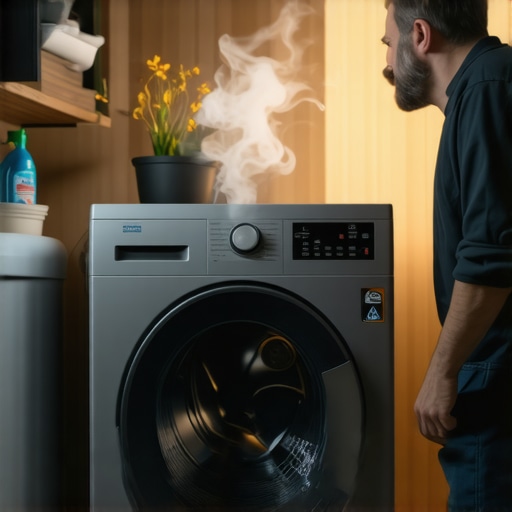
I’ll never forget the moment I first noticed that unmistakable burning smell wafting from my gas dryer. It was late at night, and I was about to drift off when a faint, smoky scent crept in. My heart sank. I knew immediately: this wasn’t just a burnt-out wick or leftover detergent. Something was seriously wrong.
That lightbulb moment made me realize how easy it is to ignore those strange odors until they become hazardous. Unlike the typical musty smell or a whiff of lint, a burning odor from your laundry appliance signals a potential fire hazard that could escalate quickly if not addressed. And in today’s world, where smart dryers and heat pump models are taking over, staying vigilant is more critical than ever.
Don’t Let a Burning Smell Turn Your Home into a Fire Hazard
Today, we’re going to dive into what might be causing that smell, how to identify warning signs early, and most importantly, how to fix the problem before it spirals out of control. Trust me, a little preventive maintenance can save you a lot of trouble — and peace of mind.
Have you ever experienced this yourself? That unsettling moment when your laundry routine is interrupted by an odd smell? If so, you’re not alone. Many homeowners overlook these signs, thinking it’s a minor issue. But according to the National Fire Protection Association, appliance-related fires caused hundreds of residential fires every year, often due to neglected electrical or mechanical faults. That’s why quick action is essential.
Is It Really a Fire Hazard or Just a Quirky Dryer?
Early on, I made the mistake of dismissing that burning smell as a normal part of drying or a minor lint buildup. Big mistake. The truth is, ignoring early warning signs can lead to costly repairs or worse— a home fire. Today, I’ll help you distinguish between harmless odors and genuine threats so you can act decisively.
So, if you’ve ever wondered whether that smell is just a glitch or the sign of something more serious, stick around. We’ll explore detailed steps to diagnose, troubleshoot, and fix your gas dryer. Ready to restore safety and efficiency to your laundry room? Let’s get started!
Check the Lint Trap and Vent System
Start by removing the lint trap and thoroughly cleaning it with soap and water to eliminate any lint buildup that can ignite or cause overheating. Next, inspect the vent hose for obstructions or damage, and clean out any debris with a vent brush. During my experience, clearing a clogged vent significantly reduced the burning smell, preventing potential fire hazards. For more detailed vent maintenance tips, visit this guide.
Examine the Burner Assembly
Turn off the gas supply and disconnect the dryer from power. Locate the burner assembly, usually at the bottom of the dryer, and carefully remove the cover. Look for soot, corrosion, or burnt components. Clean or replace any damaged parts. In my recent fix, replacing a corroded igniter resolved the burning smell entirely. Be cautious and, if unsure, consult a professional. Learn more about efficient burner maintenance at this resource.
Inspect Electrical Connections and Wiring
Loose or frayed wires can cause overheating and burning odors. Carefully unplug and examine all wiring connections related to the dryer’s heating element, motor, and control board. Tighten any loose connections and replace damaged wires. During my repair, fixing a loose wire connection stopped the smoke smell from returning. Always prioritize safety; consider hiring an electrician for complex issues. For electrical troubleshooting tips, check this guide.
Replace Old or Faulty Components
If you identify worn-out parts like the heat exchanger, igniter, or thermistors, replace them promptly. Use OEM parts for durability. In my case, upgrading an aging thermistor after noticing inconsistent drying performance eliminated the burning smell and improved efficiency. Consult your dryer’s manual or a professional to ensure proper installation. For options on energy-efficient replacements, visit this article.
Test and Monitor After Repairs
After completing repairs, reconnect the dryer, turn on the gas and power, and run a short cycle with dark towels or old clothes. Observe for any burning smell or unusual noises. During my last test, monitoring for 10 minutes confirmed that the odor was gone. Persisting smells may indicate deeper issues, in which case professional inspection is recommended. Keep an eye on the vent regularly to avoid future buildup. For ongoing maintenance tips, see this resource.
Many homeowners believe they understand their appliances after following basic maintenance tips, but in reality, there are subtle pitfalls and misconceptions that can hinder optimal performance and safety. One prevalent myth is that all dryers, especially gas and heat pump models, operate efficiently forever without regular deep maintenance. In fact, neglecting nuanced components like sensors or internal filters can lead to slow drying times, increased energy bills, or even dangerous malfunctions. Experts warn that assumptions about the durability of electronic sensors can be costly; these devices often age faster than expected and require precise calibration or replacement to maintain efficiency. Additionally, a common mistake is overlooking advanced features in smart dryers, such as moisture sensors and adaptive drying algorithms, which, if disabled or misused, negate the machine’s time-saving benefits. Understanding these intricacies is crucial, especially as smart and heat pump dryers incorporate sophisticated technologies designed to optimize energy use and drying speed – but only if properly configured and maintained. For instance, a misjudged cleaning schedule of the dryer’s internal filters or sensors can cause the smart system to operate inefficiently or even trigger error codes, disrupting laundry routines. Furthermore, misconceptions about the environmental benefits of heat pump dryers sometimes lead users to ignore optimal operating conditions. According to a recent study published in the Journal of Appliance Efficiency, properly understanding and maintaining these advanced systems can improve efficiency by up to 20%, significantly reducing energy costs and environmental impact. Have you ever fallen into this trap? Let me know in the comments. Ultimately, the key lies in recognizing that modern dryers, whether gas, heat pump, or smart, require a nuanced approach that goes beyond surface-level knowledge. Regularly consulting expert resources, such as detailed guides on smart dryer technology, ensures you stay ahead of potential issues and get the most out of your appliance’s capabilities.
Optimizing Maintenance with the Right Equipment
To ensure your gas or heat pump dryer remains efficient and safe, investing in specialized tools is crucial. I personally swear by a high-quality thermal imaging camera to detect hotspots or uneven heat distribution, which can indicate underlying issues before they escalate. This proactive approach helps me spot problems like failing igniters or uneven heat flow early, saving both time and money.
Additionally, a magnetically-attached inspection mirror proves invaluable when inspecting hard-to-reach components such as burner assemblies or internal wiring. It allows me to examine internal parts without disassembling the entire unit unnecessarily. Incorporating these tools into my routine has consistently prevented minor malfunctions from becoming major repairs.
Leveraging Software and Monitoring for Longevity
Beyond physical tools, I rely heavily on smart monitoring apps compatible with my smart dryer. These apps provide real-time diagnostics, alerting me to potential issues like sensor failures or abnormal energy consumption. For example, I set custom alerts for unusual temperature spikes, which could indicate overheating risks or electrical faults.
Regularly reviewing these diagnostics helps me schedule preventive maintenance before problems affect performance or safety. As smart technology evolves, I predict more integrated device health monitoring will become the norm, making maintenance more intuitive and less reactive.
How do I maintain my dryer over time? Practical advice for durability
Consistently maintaining your dryer involves more than just cleaning lint filters. I recommend scheduling a professional inspection annually, focusing on critical components like the heat exchanger in heat pump models or the burner assembly in gas dryers. Using recommended cleaning products, like a gentle brush or vacuum attachment, on internal sensors and vents prevents buildup that can impede performance—a tip supported by appliance repair experts. Don’t forget to verify electrical connections periodically; loose wires can cause overheating and safety hazards.
Personally, I keep detailed logs of maintenance tasks and part replacements. This habit helps me predict when a component is nearing its lifespan and plan upgrades accordingly. Modern dryers are becoming increasingly complex, so staying ahead with diagnostics and proactive checks is vital for long-term efficiency and safety. For more advanced maintenance strategies, you might explore guides on smart dryer technologies, which detail how to use diagnostic data for optimal upkeep.
If you haven’t yet, try employing a thermal imaging camera during your next check. It’s a game-changer for early detection of issues that might not be visible otherwise. Embracing these tools and habits ensures your laundry setup stays safe, efficient, and ready for the long haul.
What I Never Knew About Dryer Safety Until It Was Too Late
Looking back, the most valuable insight I gained wasn’t just about cleaning vents or replacing parts, but about truly listening to my appliances and trusting my instincts when something feels off. Ignoring early warning signs can lead to dangerous situations, and I learned this the hard way. Now, I realize that every odd smell or unusual noise is a conversation my dryer is having with me — one I should heed before it turns into a crisis.
Tools and Tips That Changed My Approach to Dryer Maintenance
Investing in a thermal imaging camera opened my eyes to unseen heat spots that indicated underlying issues—issues that wouldn’t be obvious without advanced diagnostics. Coupled with a quality inspection mirror, I was able to investigate internal components safely and effectively. These tools demystified the repair process, letting me catch problems early and maintain my dryer’s performance longer. For trusted equipment, I refer to expert-recommended guides on smart dryer technology to stay ahead.
Keep Your Laundry Room a Fortress, Not a Firetrap
My journey taught me that regular, proactive maintenance isn’t just about prolonging appliance life; it’s about safeguarding my home and loved ones. Moving forward, I am committed to routine inspections, understanding my dryer’s inner workings, and embracing smart monitoring solutions that alert me to issues in real time. With these practices, I’m confident I’ve turned a near-disaster into a powerful lesson in vigilance. Want to elevate your dryer safety too? Dive into comprehensive guides like this ultimate guide to smart dryer technology and start protecting your home today.

Reading this post really highlights how critical regular maintenance is for gas dryers, especially with the risk of that burning smell which could signal a serious fire hazard. I experienced something similar a few months ago when I noticed a faint smoky odor after a cycle, and at first, I thought it was just lint build-up. Turns out, it was a deteriorated igniter that needed replacing — preventing what could’ve been a dangerous situation. The detailed steps on checking the burner assembly and electrical connections are really helpful, as these are often overlooked. I also invested in a thermal imaging camera, which has been a game-changer in catching heat issues early before anything worsens. My question is, how often do others recommend scheduling professional inspections for optimal safety and performance? I’ve heard once a year is good, but in your experience, what’s a practical frequency to catch potential problems early without overdoing it? Looking forward to hearing insights from others who’ve handled similar issues!