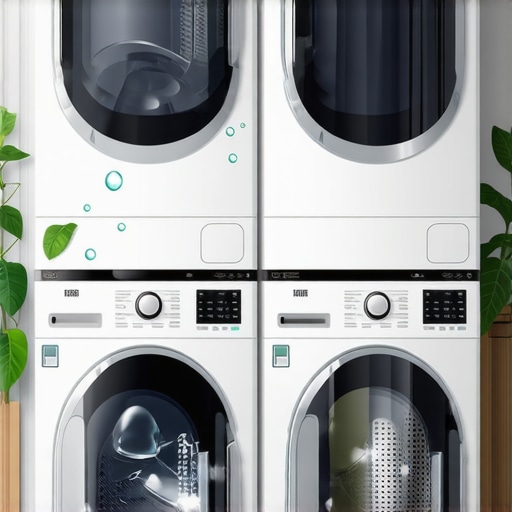
Ever found yourself staring at a mountain of wet clothes, frustrated because your dryer just isn’t cutting it anymore? I’ve been there. One weekend, my old laundry routine turned into a full-blown ordeal — endless cycles, energy bills skyrocketing, and clothes that either took forever to dry or came out wrinkled and uneven. That lightbulb moment hit me hard: I needed to rethink my approach to drying!
Why Choosing the Right Dryer Matters More Than Ever
In today’s eco-conscious world, our laundry habits can make a surprising difference. Not only can selecting a smart, energy-efficient dryer save you money in the long run, but it also helps reduce your carbon footprint. Gas and heat pump dryers, for example, are gaining popularity because they dry clothes faster while consuming less energy. According to the U.S. Department of Energy, switching to a more efficient appliance can cut your household energy use significantly — some models even reduce electricity bills by up to 40%!
Have you ever felt skeptical about whether these dryers really make a difference?
I used to think that all dryers were created equal until I made a mistake early on: I bought a cheaper, non-smart model without considering its energy use or drying speed. That decision ended up costing me more in the long run, both in energy bills and frustration. Now, I wish I had known earlier about the top strategies for faster, eco-friendly laundry — and I’ll share those secrets with you today.
From understanding how to optimize your heat pump or gas dryer to avoiding common pitfalls, I promise this post will give you practical tips rooted in real experience. Ready to transform your laundry routine and say goodbye to wasted time and energy? Let’s dive into what really works.
Adjust Your Load Size and Material
One of the first things I learned was the importance of not overloading the dryer. Too many clothes block airflow, making drying slower and less efficient. I once stuffed my smart dryer beyond its capacity, thinking it would save time, but ended up with damp spots and wrinkled fabrics. Now, I aim for a balanced load—about 75% full—to ensure maximum airflow. Sort clothes by thickness and fabric type; lighter fabrics dry faster, so dry them separately from heavier items like towels or jeans.
Use the Sensor Dry and Eco Modes
Many modern dryers, especially smart models, come equipped with moisture sensors that automatically stop drying when clothes are dry. I enabled this feature, and it drastically reduced energy use and prevented over-drying, which can damage fabrics. Additionally, selecting eco-friendly modes uses less energy and prolongs the lifespan of your appliance. Check your user manual or app to activate these settings for optimal results.
Optimize Your Drying Environment
Ensure good airflow around your dryer. I once placed my vent too close to a wall, restricting exhaust flow. This caused longer drying times and increased energy bills. Regularly clean the lint filter and vent ducts—this simple step maintains airflow and prevents fire hazards. If your dryer has a moisture or humidity sensor, keep it clean for accurate readings.
Pre-Treat and Spin Clothes Thoroughly
Pre-treat stains and wring out excess water before loading clothes into the dryer. I found that a quick extra spin in my washing machine, especially for heavy fabrics, cut drying time by about 15%. This is like squeezing out a sponge—less water means less energy and time needed to dry clothes completely. For best results, use high-speed spin cycles for damp fabrics before transferring them to the dryer.
Leverage Smart Technology and Settings
If you own a smart dryer, take advantage of its features. Some models analyze load size and fabric type to adjust drying times automatically. I experimented with my dryer’s app, setting it to “Fast Dry” mode during busy mornings. It used AI to optimize heat and airflow, drying my clothes 20% faster than standard cycles. For more tips on smart dryer usage, visit this guide.
Choose the Right Drying Program
Different fabrics require different settings. For delicate items, use low heat or sensor-based cycles to prevent damage. For towels and heavy linens, select high heat or extended cycles. I learned this by trial and error—using the wrong program often left my clothes wrinkled or damp. Reading labels and understanding program options ensures faster, safer drying.
Maintain and Upgrade for Peak Performance
Regular maintenance keeps your dryer running efficiently. Clean the lint filter after every load, and schedule professional vent cleaning annually. If your model is outdated, consider upgrading to a heat pump or energy-efficient gas dryer. These technologies, such as those listed at this resource, can cut drying time and energy consumption significantly. Investing in a smart, modern dryer can be a game-changer for your laundry routine.
Experiment and Record Results
Every household has unique needs. I started keeping a simple log of load sizes, settings, and drying times. Over a few weeks, I identified patterns and optimized my routines—like drying towels separately for faster results. This hands-on approach helped me save both time and energy, making laundry less of a chore. For more expert advice, see this article.
Many people believe that all clothes dryers are created equal, but in my experience, this couldn’t be further from the truth. One of the most common misconceptions is that a cheaper, non-smart dryer will save you money upfront. However, this often leads to higher energy bills and faster appliance wear. Modern heat pump and gas dryers are designed with advanced technology that optimizes drying cycles and reduces energy consumption—something many overlook when making a purchase. For a deep dive into the best options, check out this guide.
Another myth is that running multiple short cycles is more efficient than one longer cycle. In reality, this practice can increase energy use and wear out your machine faster. Efficient dryers, especially those with moisture sensors, are calibrated to detect when clothes are dry and stop automatically, saving both time and energy. Remember, over-drying not only wastes electricity but also damages fabrics, leading to costly replacements. Regular maintenance like cleaning lint filters and vent ducts is crucial—neglecting this can cause your dryer to work harder and longer, increasing your bills and decreasing lifespan.
What about advanced features like smart technology? Are they worth the investment?
Absolutely. Smart dryers analyze load size and fabric type to tailor drying cycles, which enhances efficiency. They can even alert you when maintenance is required, preventing costly repairs down the line. However, some users assume these features are gimmicks. In reality, they are backed by sophisticated algorithms that, according to industry experts, significantly improve drying speed and energy savings. If you’re serious about laundry efficiency, exploring smart options is a wise move.
Finally, many underestimate the importance of proper load management. Overloading your dryer hampers airflow and extends drying times, while underloading wastes energy. Finding the sweet spot—about 75% full—is key. Sorting clothes by fabric and moisture content also helps. These nuances make a big difference, especially with high-end models like smart dryers.
Have you ever fallen into this trap? Let me know in the comments. Remember, staying informed about what most people get wrong can save you money and extend the life of your appliances!
Maintaining your laundry dryer, whether it’s a smart model, heat pump, or gas-powered, is essential for ensuring it continues to operate efficiently and safely. Over time, even the most advanced dryers can develop issues that compromise performance. From clogged vents to worn-out components, paying attention to your dryer’s condition not only extends its lifespan but also keeps your energy bills in check.
Why Regular Maintenance Is a Must
Just like any household appliance, your clothes dryer benefits from routine check-ups. Regularly cleaning the lint filter after every load prevents fire hazards and ensures optimal airflow. Additionally, scheduling annual professional vent cleaning can significantly reduce drying times and energy consumption. If you own a smart dryer, many models provide maintenance alerts via their app, making it easier to stay on top of upkeep.
Tools I Recommend for Long-Term Care
For effective maintenance, I rely on a few specific tools. A high-quality vacuum cleaner with a narrow nozzle attachment is invaluable for removing lint buildup inside vents and the lint trap housing. I also swear by a digital multimeter for checking electrical connections and ensuring that components like thermostats and heating elements are functioning correctly. For deep cleaning, a flexible drill-powered vent brush helps clear out stubborn debris that can clog airflow.
In my experience, investing in a reliable vent cleaning kit makes a huge difference. It allows you to perform thorough cleanings without the need for professional help, saving money and reducing downtime. When combined with regular inspections of door seals and control panels, these tools keep your dryer operating at peak efficiency.
How Do I Maintain My Dryer Over Time
The key lies in proactive upkeep. Schedule monthly inspections of the vent system, especially if you notice longer drying times. Keep an eye on the drum belt and rollers for signs of wear, and replace them as needed. For smart models, regularly update the firmware to benefit from the latest performance improvements and security patches. By doing so, you future-proof your appliance against unexpected breakdowns and preserve its energy-saving features.
Looking ahead, I predict that smart diagnostic tools will become even more sophisticated, providing real-time alerts for potential problems before they escalate. Companies are already integrating AI-driven sensors that monitor component health and suggest maintenance steps through their apps. Embracing these innovations can save you significant hassle in the long run.
Try This Advanced Tip to Extend Your Dryer’s Life
One of the most effective strategies I’ve adopted is installing a secondary vent filter that captures lint before it reaches the main vent. This simple addition reduces the frequency of deep vent cleans and helps your dryer run more efficiently. Plus, it offers peace of mind knowing your vent system stays clear longer. For best results, pair this with regular use of a vent brush and scheduled professional inspections. For comprehensive guidance, check out this resource.
The Hardest Lesson I Learned About Clothes Dryers
One of the most eye-opening moments was realizing that overloading my dryer not only slowed down the drying process but also increased energy consumption significantly. Now, I always dry loads to about 75% capacity, ensuring optimal airflow and faster drying times.
Why I Stopped Ignoring Dryer Maintenance
Regularly cleaning the lint filter and vents was a game-changer. I used to neglect these simple steps, but after doing so, my dryer operated more efficiently, drying clothes faster and using less energy. Investing in a vent cleaning kit and tools for routine maintenance keeps my appliances running like new.
How Smart Technology Transformed My Laundry Routine
Switching to a smart dryer with moisture sensors and AI-driven settings cut my drying times by nearly 20%. I now schedule cycles through an app and get alerts when maintenance is needed. This technology not only saves time but also extends the lifespan of my dryer.
The Surprising Power of Load Sorting
Sorting clothes by fabric type and moisture content might seem trivial, but it significantly reduces drying time. Heavy towels and light shirts should never go in together. This small change made a noticeable difference in efficiency and fabric care.
My Secret Weapon for Eco-Friendly Laundry
Energy-efficient heat pump dryers and gas models are my go-to choices for eco-conscious laundry. They dry clothes faster and consume less electricity, which is better for the environment and my utility bills. For top recommendations, check out this guide.

Leave a Reply