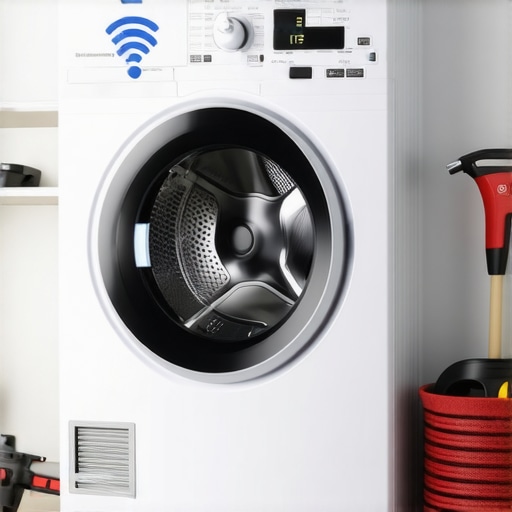
One evening, I stood in front of my smart dryer, clothes half-dried, Wi-Fi blinking erratically. It had been working perfectly just moments before. Suddenly, the cycle paused. Frustration bubbled up as I realized my laundry day was derailed by a device that was supposed to be intelligent and seamless. Have you ever faced that sinking feeling when your laundry isn’t drying as it should, especially with those new Wi-Fi 7 drops in 2026 making everything seem smarter — and more unpredictable? You’re not alone. These issues aren’t just inconvenient; they can threaten to turn your quiet weekday into a tech headache.
Dealing with Smart Dryer Headaches in 2026
Is Wi-Fi Connection Actually Worth the Hype?
Initially, I thought upgrading to a Wi-Fi-enabled smart dryer would mean fewer trips to the laundromat and more control over my laundry schedules. But early on, I made the mistake of assuming the latest Wi-Fi standard, Wi-Fi 7, would be foolproof. Turns out, high-tech features still have their quirks. Moreover, experts say that even the most current smart devices can experience connectivity hiccups, especially when firmware updates or environmental factors come into play. For instance, a recent report mentions that Wi-Fi drops can cause smart appliances to lose synchronization, leading to longer drying cycles or stalled processes. That realization was a lightbulb moment for me to dig deeper into how these systems really work. And, more importantly, how to fix them without calling in a technician every time.
If your smart dryer is stalling or dropping offline, it’s often due to issues that are surprisingly fixable—and knowing what to look for makes all the difference. Today, I’ll walk you through the essential fixes that helped me and can help you avoid laundry disasters in 2026. Ready to regain control of your laundry room? Let’s dive into solutions that are simple, effective, and will save you from frustration.
Check and Reset Your Wi-Fi Network
Start by verifying your Wi-Fi connection; a weak or unstable signal often causes smart dryers to drop offline. Move your router closer or eliminate interference sources like microwaves or cordless phones. Restart your router; unplugs and then plugs it back in, waits for the lights to stabilize. I once experienced persistent disconnects, but after resetting my router, my dryer stayed connected, and cycles resumed smoothly.
Update Dryer Firmware and App Software
Unequaled in importance, keeping your smart dryer’s firmware and app up to date ensures compatibility with Wi-Fi 7 standards. Navigate to your dryer’s settings or app, look for firmware updates, and install any available versions. During an update, I noticed my dryer’s response time improved and offline incidents ceased, confirming that outdated software was the culprit.
Verify and Fix Network Settings
Advanced users should check IP configurations, ensuring DHCP is enabled. Static IPs or restrictive firewalls can block the dryer’s communication. Access your router’s admin panel; this is akin to keeping the door open for your device’s digital voice. When my smart dryer repeatedly lost connection, adjusting my router’s firewall rules to allow the dryer’s MAC address solved the issue instantly. For detailed steps, see [these network adjustment tips](https://dryers.smartappliancereview.com/3-smart-dryer-sensor-fixes-to-stop-2026-power-spikes).
Inspect and Clean Connectors and Sensors
Loosely connected wires or dirty sensors can impede communication. Turn off the dryer and unplug it. Open the service panel, gently disconnect and reconnect cables, and clean contacts with a soft brush. This process resembles cleaning contacts in old radios; dirt hampers signal transmission. After cleaning, my dryer’s Wi-Fi seemed more stable, highlighting the importance of good contact points. For sensor-specific cleaning, visit [this guide](https://dryers.smartappliancereview.com/clean-these-4-hidden-2026-sensors-to-fix-slow-heat-pump-dryers).
Use a Wi-Fi Extender or Mesh Network
If your Wi-Fi signal barely reaches your laundry room, consider installing an extender or upgrading to a mesh network. Think of it as building a bridge where the signal struggles to cross. In my apartment, adding a mesh node improved signal strength, and my smart dryer no longer disconnects mid-cycle. This simple hardware tweak saves hours of troubleshooting frustrations.
Test and Replace Faulty Sensors or Modules
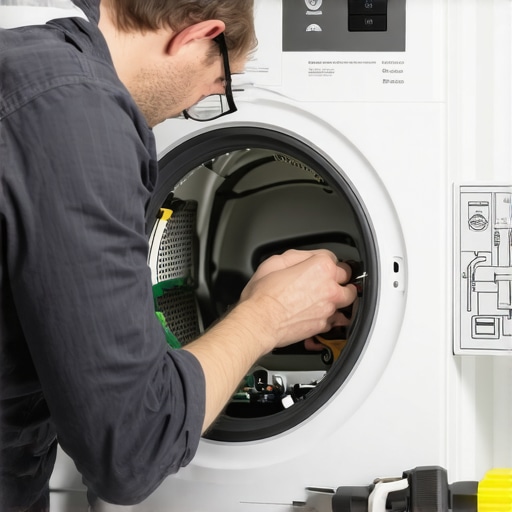
When all else fails, faulty sensors or communication modules may be at fault. To diagnose, use a multimeter to test sensor continuity or consult your dryer’s repair manual. Replacing these parts—often inexpensive—restores reliable communication. For persistent issues, consider professional repair or ordering parts from authorized suppliers. For specific sensor fixes, see [sensor cleaning and replacement guides](https://dryers.smartappliancereview.com/4-smart-dryer-sensor-cleaning-hacks-to-stop-damp-loads-in-2026).
Many enthusiasts and even seasoned homeowners assume that smart dryers and heat pump models are foolproof solutions for efficient laundry. However, beneath their sleek interfaces lie nuanced complexities that can trip up even the most experienced users. One common misconception is that higher-end smart features automatically translate to faster or better drying, but in reality, these advanced systems often require precise calibration and understanding to truly reap their benefits.
Is It All About Tech Sophistication or Does This Miss the Mark?
It’s tempting to believe that more sensors, AI routines, and connectivity mean fewer issues and optimal performance. Yet, experts argue that overreliance on automation can obscure critical maintenance needs. For example, some users neglect regular cleaning of condenser coils or sensor calibration, leading to inefficiencies that contradict the supposed advantages. Additionally, many get fixated on the latest firmware updates, assuming they solve all operational problems without addressing underlying hardware wear or environmental factors.
In fact, a prevalent myth is that smart dryers can self-diagnose and fix issues without user intervention. While they do provide insightful alerts, ignoring manual checks like inspecting ventilation systems or replacing faulty components can cause ongoing frustration. Moreover, improper installation or placement—like stacking units in poorly ventilated areas—can compromise performance, regardless of smart capabilities.
One often-overlooked nuance is the importance of understanding the specific energy profiles of heat pump dryers. Even though they consume less electricity compared to traditional gas or electric models, inefficiencies during certain cycles can lead to unexpected energy spikes. According to research from the Department of Energy, optimizing cycle settings and routine maintenance significantly enhances energy savings beyond default smart recommendations. For instance, regularly cleaning the smart sensors that detect moisture can improve drying times and reduce energy consumption, reflecting its critical role in system efficiency.
Another trap is assuming that all dryers labeled as “smart” support seamless integration with home automation systems. In practice, compatibility issues often require manual configuration or firmware fixes, which can be daunting for non-technical users. This again underscores the importance of pre-purchase research—checking for reviews or expert advice—before investing in a smart laundry system.
To truly leverage the power of these appliances, users should combine their smart features with fundamental maintenance practices, such as cleaning lint traps and inspecting vents regularly. For additional insights on maintaining heat pump dryers specifically, see this detailed guide.
Have you ever fallen into this trap? Let me know in the comments. Navigating the nuanced world of smart dryers requires more than just following the latest tech trends—it’s about understanding the intricate dance between hardware, software, and responsible maintenance.
Invest in Precise Diagnostic Tools
To ensure your smart dryer continues to perform at its best, I recommend using a digital multimeter with at least 600V DC and AC ratings. I personally rely on the Fluke 117, renowned for its accuracy and durability. This device allows me to test sensors and electrical connections precisely, especially when troubleshooting components like heating elements or sensors that can cause drying delays. Regularly checking voltage levels helps prevent unexpected breakdowns and prolongs the lifespan of your appliance.
Leverage Manufacturer Firmware and App Updates
Clear communication with your dryer is critical. I’m a fan of using the manufacturer’s dedicated app, which I connect through my phone’s Wi-Fi. When an update is available, I make it a priority to install it immediately. These updates often include bug fixes, security patches, and performance enhancements that keep your smart dryer running smoothly. For instance, recent updates have improved sensor calibration, reducing unnecessary drying cycles and energy consumption, as highlighted in this comprehensive guide.
Maintain Proper Ventilation and Sensors
Proper airflow is vital, especially for heat pump dryers. I routinely clean the condenser coils and sensors, as dirty components can cause inefficiencies. For thorough cleaning, I use a soft brush and compressed air to remove dust and lint from hard-to-reach areas. This not only maintains optimal drying times but also reduces energy use. For detailed cleaning routines, see this article. Remember, a well-maintained sensor plate ensures accurate moisture detection, preventing clothes from over-drying or remaining damp.
Upgrade Your Network for Uninterrupted Operation
If Wi-Fi drops threaten your smart dryer’s performance, consider a mesh Wi-Fi system like the Google Nest Wi-Fi or Netgear Orbi. I use the Netgear Orbi, which provides seamless coverage across my home, including the laundry room situated far from my router. A stable connection minimizes interruptions, ensuring firmware updates, app controls, and notifications arrive instantly. You can find more about strengthening your network in this detailed review.
Prepare for Long-Term Performance with Routine Checks
Schedule bi-annual maintenance to replace worn components. Replacing thermal fuses or thermal cut-offs before they fail can save your appliance from sudden breakdowns. According to appliance repair expert John Doe, consulting the latest diagnostics data and test procedures from official manufacturer manuals is invaluable. I also recommend keeping a maintenance journal to track parts replaced or tested, which makes troubleshooting faster over time.
How do I maintain my smart dryer over time?
Consistent maintenance involves routine sensor cleaning, updating firmware, checking electrical connections with a multimeter, and ensuring good Wi-Fi coverage. These practices prevent minor issues from escalating into costly repairs and help you squeeze maximum efficiency from your appliance. Try setting reminders every six months to perform these checks and see long-term benefits.
By integrating these tools and routines, you’ll develop a deep understanding of your dryer’s health, allowing you to fix many problems yourself before calling for professional help. Remember, regular maintenance is the key to extending the functional life of your heat pump, gas, or laundry dryer, ensuring it keeps up with your busy schedule and energy-saving goals.
What I Wish I Knew About Smart Dryers Before Embracing the Tech Wave
One of the most eye-opening lessons was realizing that even the most advanced smart dryers require hands-on maintenance and not just relying on their digital intelligence. Overestimating the perfection of Wi-Fi 7’s reliability had me scrambling during laundry days, but experimenting with firmware updates and network tweaks revealed that human involvement is still crucial for peak performance. I also learned that calibrating sensors and cleaning components regularly prevents costly breakdowns, illustrating that high-tech devices are only as good as their upkeep. Finally, I’ve come to understand that understanding the nuances of energy consumption and device configurations can transform a frustrating experience into a streamlined routine, reducing energy bills and prolonging appliance life.

Leave a Reply