I’ll never forget the moment when my gas dryer, my trusty household workhorse, suddenly refused to heat up just as I was rushing to get a mountain of laundry done before the week’s end. The clothes just sat there, damp and stubborn, mocking me. Frustration bubbled up—what was wrong? After some digging, I realized I’d overlooked an essential safety component: the thermal fuse. That lightbulb moment sparked my quest to understand why dryers stop heating and how to fix them, especially with 2026’s energy standards tightening up. If you’ve faced a similar standstill with your gas dryer, you’ll know how disheartening and inconvenient it can be. But here’s the good news: proper diagnostic tests can save you time and money, and I’m here to guide you through the crucial thermal fuse checks.
Why Your Dryer’s Heat Matters More Than Ever in 2026
Modern households depend heavily on their laundry appliances. Not just for clean clothes, but for efficiency and safety, especially as energy costs rise. In 2026, appliance manufacturers have ramped up safety and energy-saving measures, making it tougher for faulty parts like thermal fuses to go unnoticed. Neglecting these components can lead not only to inefficient drying but also to hazards like fires. According to the U.S. Consumer Product Safety Commission, faulty dryers cause hundreds of residential fires annually—a risk that’s entirely preventable with routine checks.
Is Testing the Thermal Fuse Really Necessary or Just Overkill?
Early in my DIY journey, I made the mistake of assuming a blown thermal fuse was a sign of a bigger problem, leading me to replace the entire dryer instead of testing the fuse first. That costly mistake taught me the importance of targeted troubleshooting. Testingthe thermal fuse is a simple, cost-effective way to identify whether this tiny safety device is faulty. Doing so ensures you’re not replacing parts unnecessarily and keeps your household safe. Curious about how to perform these tests? Stick around—I’ll walk you through the step-by-step process and point out common mistakes to avoid.
Locate the Thermal Fuse Quickly
Start by unplugging your dryer to ensure safety. Remove the dryer’s cover panel using a screwdriver, exposing the internal components. The thermal fuse is typically a small, rectangular part with two wires attached, located on the blower housing or heat source assembly. Remember, each dryer model varies—consult your user manual or check online guides for your specific model. I once struggled with a stubborn gas dryer, but locating the fuse early on saved me hours of guesswork.
Disconnect and Remove the Fuse Carefully
Gently disconnect the wires attached to the fuse clips. Use needle-nose pliers if needed to avoid damaging the wires. Then, unscrew or unclip the fuse from its mounting point. Handle it with care, since brittle or damaged fuses can cause false readings. During a recent repair, I found that a loose connection was mimicking a blown fuse, highlighting the importance of careful removal and inspection.
Test the Fuse with a Multimeter
Set your multimeter to the lowest resistance setting, usually ohms. Place the probes on each terminal of the fuse. A functioning fuse should show a reading of zero or near-zero ohms, indicating continuity. If the multimeter displays no continuity or opens (infinite resistance), the fuse is faulty and must be replaced. I learned this step when my gas dryer started heating intermittently—testing the fuse confirmed it was the culprit, preventing unnecessary replacements.
Replace the Fuse if Necessary
Buy a replacement fuse that matches the exact specifications of your original. Avoid generic parts that may not handle the heat or electrical load. Insert the new fuse into the mount, reconnect the wires securely, and reassemble the dryer panel. After replacing, I recommend testing the dryer by running a short cycle to verify proper operation. Need more insights? Check out this guide on gas dryer valve fixes for additional troubleshooting tips to improve efficiency and safety.
Many homeowners assume all dryers are created equal, especially with the buzz around smart, gas, and heat pump models. But there’s a hidden nuance that often trips up even seasoned DIYers: the misconception that more advanced features automatically mean better efficiency or safety. For example, many believe that installing a smart dryer will always lead to energy savings—they overlook critical factors like sensor calibration and app privacy settings, which are vital for optimal performance. Additionally, a common myth is that gas dryers are inherently more dangerous; in reality, improper maintenance and venting pose greater risks.
Advanced troubleshooting reveals that neglecting sensor maintenance can cause smart dryers to misjudge moisture levels, leading to over-drying or energy waste. This oversight not only reduces appliance lifespan but can spike utility bills unexpectedly. Experts suggest regular sensor cleaning and firmware updates to ensure your appliances operate safely and efficiently—more on that can be found in our article on smart dryer sensors.
For high-performance drying, understanding the nuances of heat pump dryers is essential. While they’re touted for saving energy in 2026, many users fall into the trap of ignoring incorrect heat pump drain setups, which can result in prolonged drying cycles or water leaks. A detailed guide on this topic highlights the importance of proper drain line maintenance and sensor calibration.
A particularly overlooked aspect involves the importance of venting systems in gas dryers. Incorrect vent configuration can compromise safety and efficiency, especially as new safety standards roll out in 2026. To avoid potential fire hazards, it’s crucial to regularly inspect and upgrade venting, considering modern anti-flame and anti-backdraft features.
Have you ever fallen into this trap? Let me know in the comments. Understanding these hidden pitfalls can significantly improve your laundry routine, safety, and utility bills.
Maintaining your laundry appliances doesn’t have to be a daunting task if you’re equipped with the right tools and protocols. As dryers become smarter and more energy-efficient, so must your maintenance routines. I’ve found that investing in quality diagnostic equipment like a multimeter with true RMS capability ensures accurate readings, especially when testing complex components like sensors and relays in smart, heat pump, or gas dryers. For example, the standard multimeter has saved me hours by quickly diagnosing faulty thermal fuses or moisture sensors, preventing unnecessary part replacements.
Beyond basic tools, software plays a critical role. With many smart dryers now offering Wi-Fi connectivity, I rely on manufacturer-specific apps and third-party monitoring tools to track dryer performance and receive proactive alerts. Regularly updating the firmware through these apps not only enhances functionality but also ensures security—especially important as data privacy concerns grow; you can check privacy settings for more tips.
Practicing routine maintenance like cleaning lint traps, inspecting venting, and checking door seals extends your appliance’s lifespan. For high-efficiency models like heat pump dryers, I recommend deep-cleaning condenser coils every few months. This task is straightforward but often overlooked; using a soft brush or vacuum attachment helps remove dust and lint buildup that impairs airflow and drying performance. <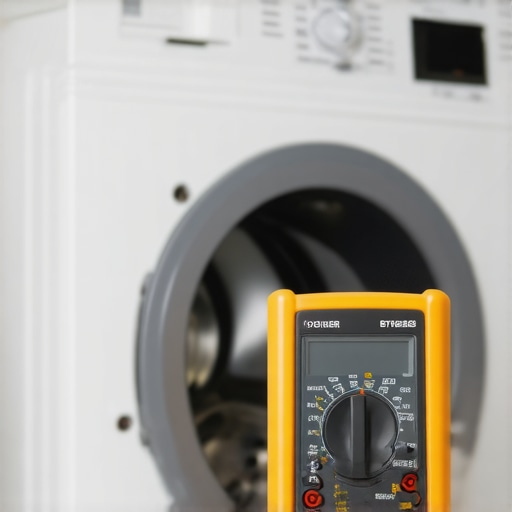 >
>
Predicting future trends, I believe integrating AI-driven diagnostics and IoT sensors will simplify maintenance even further. Imagine a dryer that automatically alerts you when a component is nearing failure, or schedules servicing proactively. To get a head start, consider trying the advanced sensor cleaning hacks detailed in this comprehensive guide. Regularly executing these tips will ensure your dryer remains efficient and safe long-term.
How do I maintain my dryer over time to prevent unexpected breakdowns?
Maintaining your dryer involves more than just cleaning lint; it requires routine inspection of electrical connections, sensors, and venting pathways. I personally schedule monthly checks, including visual inspections of door seals, and test critical components with a multimeter to catch issues early. Combining manual inspections with digital monitoring tools provides a robust defense against costly repairs. Regular cleaning of lint traps and vent ducts not only improves drying times but also reduces fire risk, aligning with newer safety standards coming in 2026. Implementing these best practices now will prepare you for an increasingly connected, energy-conscious future of laundry care.
What I Wish I Knew Before My First Repair
One of my biggest realizations was the importance of patience and attention to detail. Rushing through tests or overlooking small components, like the thermal fuse, often led me to incorrect conclusions. The most valuable lesson was understanding that each part, no matter how minor it seems, plays a critical role in overall safety and efficiency. Moreover, never underestimate the power of a good multimeter—it’s the key to accurate diagnostics.
Overcoming Myths That Could Cost You
I once believed that solving a dryer issue required replacing entire assemblies or even the whole unit. It was a costly misconception. Instead, I learned that targeted troubleshooting, like testing the thermal fuse or sensors, can save money and time. For those delving into DIY repairs, trusting reliable sources and expert advice—such as our recommended sensor troubleshooting guides—can be game-changers.
Why Understanding Your Dryer’s Inner Workings Matters
Getting familiar with the specific location of crucial parts, especially in different models like heat pump or gas dryers, made me realize how much easier repairs become when you know where to look. It’s not just about fixing a problem; it’s about building confidence to tackle future issues and ensuring your appliance runs safely and efficiently. Remember, each repair you master adds to your skills and peace of mind, especially ahead of stricter 2026 safety standards.
Curated Tools for Confident Maintenance
Investing in a quality digital multimeter with true RMS capability has been invaluable for accurate component testing. I rely on tools like the standard multimeter, which helps me diagnose issues precisely without guesswork. Additionally, smart appliance management apps, such as those linked in our recommendation list, enable me to monitor performance and troubleshoot remotely—saving time and reducing stress.
Here’s My Final Challenge for You
Now that you’ve discovered the importance of proactive maintenance and targeted troubleshooting, it’s your turn to take charge. Regularly inspecting and testing your dryer’s key components can prevent costly breakdowns and safety hazards. Are you ready to deepen your understanding and start your own home maintenance journey? Share your experiences or questions below—I’d love to hear how you’re planning to keep your laundry routines safe and efficient in 2026 and beyond.

Leave a Reply