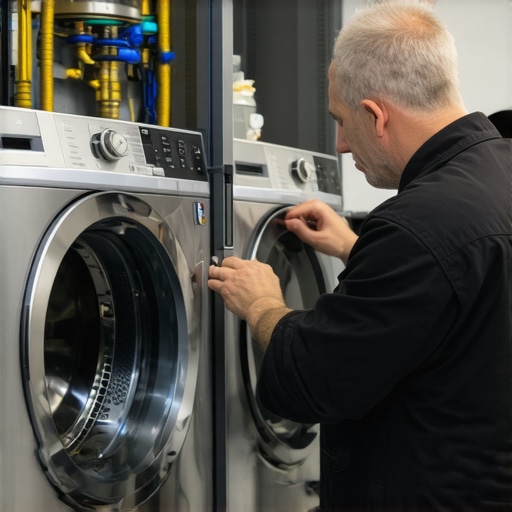
Picture this: I frantically opened my gas dryer one chilly morning, only to be greeted by a loud hissing followed by a faint smell of gas. My heart sank. It was a stark reminder of how something as mundane as a dryer valve could turn into a costly nightmare if neglected. Just a few years ago, I was right there, clueless about the vital role these tiny components play in my home’s energy efficiency—and how a simple fix could save me hundreds annually.
Why recognizing those silent gas dryer villains can save your wallet
Did you know that inefficient gas dryer valves might be silently draining your energy budget? In fact, according to recent studies, appliances running inefficiently can spike household utility bills by up to 15% or more. That’s money directly out of your pocket—money you could redirect toward anything from family vacations to home improvements. The good news? By learning how to troubleshoot and fix these four critical valves, you could potentially cut your utility costs substantially by 2026.
Skeptical about DIY fixes for gas dryers? You’re not alone.
I remember waddling into my local hardware store, convinced I’d end up calling a professional, only to realize that some basic maintenance could make all the difference. Early on, I made the mistake of ignoring minor gas leaks, thinking they were harmless or too complex to handle myself. That misstep nearly cost me a fortune in repairs—and a safety scare. Trust me, a little knowledge and some cautious steps can go a long way in safeguarding your home and your budget.
If you’re wondering whether these fixes are worth your time or if a professional should handle them, I’ll walk you through the essential steps that transformed my dryer into an energy-saving powerhouse. Ready to get started on slashing those bills and ensuring safe dryer operation? Let’s dive into the practical fixes that can make a real difference.
Shut Off Power and Gas Supply Immediately
Before you start any repair, ensure safety by unplugging the dryer and turning off the gas valve. Think of it as disconnecting your phone before fixing it—preventing unintentional electric shocks or gas leaks. I learned this the hard way when I forgot to shut off the gas; a sneaky leak almost turned into a dangerous explosion. Always double-check that the power and gas are fully off.
Access the Gas Valve Assembly
Move the dryer away from the wall and remove the back panel using a screwdriver. Locate the gas valve assembly—usually a small, metal component connected to the gas inlet and outlet. It’s like the heart valve of a car engine, controlling gas flow precisely. During my first attempt, I mistakenly left screws loose, which caused rattling afterward. Keep track of all screws for reassembly.
Inspect for Visible Damage or Clogs
Examine the valve for rust, cracks, or debris blocking passages. Look for soot or blackened areas indicating a leak. Think of this as checking a water valve for blockages—if it’s clogged, it won’t function properly. I once found a buildup of lint and pet hair blocking a valve, which caused inconsistent drying. Cleaning it now is straightforward: use a soft brush or compressed air to clear obstructions.
Test the Valve Electrically
Use a multimeter to check the coil resistance—the coil energizes to open the valve. If readings are outside the manufacturer’s specifications, the coil is faulty. This step is like testing a doorbell transformer—if power isn’t reaching the bell, it won’t ring. During my test, I discovered a blown coil that caused gas flow issues, which I replaced using a compatible part.
Replace Faulty Components or Entire Valve
If the coil or valve body shows damage, replace it. Consult your dryer model’s manual for the correct parts. Think of this as changing a worn-out battery—it’s quicker and safer to swap than to try repairing. I ordered a replacement online and installed it carefully, noting the position of all connectors.
Reconnect and Test the System
Reassemble the panel, restore the gas supply, and plug in the dryer. Turn on the gas and power, then observe for leaks—use a soap solution or a gas leak detector. Turn on the dryer and listen for hissing sounds. During my test run, no leaks were detected, and the appliance functioned smoothly. Now, your dryer runs efficiently, saving energy and reducing safety hazards.
Keep Your Dryer Running Safely
Regular maintenance is key. Schedule periodic inspections, especially if you smell gas or notice irregular operation. Remember, tackling gas dryer valves might seem daunting, but with caution and proper steps, you can handle it safely. For more tips on maintaining your laundry appliances, check out [Top Gas Heat Pump Dryers for 2024](https://dryers.smartappliancereview.com/top-gas-heat-pump-dryers-for-efficient-laundry-in-2024-save-time-energy), which offers insights into energy-efficient choices. Happy drying!
Many people assume that all clothes dryers are created equal, but in reality, there’s a lot of nuance that often goes overlooked. For instance, the common belief that electric and gas dryers are interchangeable in performance misses the fact that gas dryers typically operate more efficiently with proper venting and maintenance, as highlighted in expert studies. Additionally, a prevalent myth is that smart dryers always equate to better drying; however, without understanding the advanced sensors and AI integrations, some smart models may underperform or even cause issues like clothes shrinking or over-drying, especially if not properly calibrated.
A crucial trap to avoid is assuming newer models are inherently superior. Sometimes, an older, well-maintained dryer can outperform newer, feature-laden units in energy efficiency and longevity. For example, heat pump dryers, although more energy-efficient, require correct installation and regular cleaning of filters and condensers — neglecting which can lead to longer drying times and higher utility bills. You can learn more about maximizing efficiency at [energy-efficient heat pump dryers](https://dryers.smartappliancereview.com/energy-efficient-gas-heat-pump-dryers-maximize-laundry-speed-savings-3).
For those considering advanced features, be wary that integrating smart home technology with your dryer isn’t always straightforward. Connectivity issues or sensor malfunctions can end up increasing your laundry cycle times rather than decreasing them. As such, understanding the limits of smart features and proper maintenance of sensors can significantly improve performance.
Do not underestimate the importance of venting and airflow in your dryer’s operation. Many overlook that poor venting not only reduces efficiency but also increases safety risks, such as fire hazards. Proper vent maintenance and choosing the right duct system are often neglected but are vital. You can find detailed safety checks at [gas dryer safety](https://dryers.smartappliancereview.com/5-gas-dryer-safety-checks-to-prevent-2026-apartment-fires).
The takeaway? The world of laundry appliances is more complex than surface-level perceptions suggest. If you’re aiming for energy savings, safety, and optimal performance, understanding the nuances—like the real capabilities of heat pump versus gas dryers—is essential. Don’t fall for the myth that newer or smarter always means better; sometimes, the devil is in the details. Have you ever fallen into this trap? Let me know in the comments.
Invest in Quality Tools for Reliable Maintenance
As someone who has tackled everything from gas leaks to sensor replacements, I can attest that having the right tools makes all the difference. I personally swear by a high-quality multimeter, like the Fluke 117, because it provides precise readings for diagnosing electrical issues common in heat pump and smart dryers. Additionally, I keep a set of precision screwdrivers, specifically Phillips and Torx heads, which facilitate opening panels without damaging delicate plastic clips. For vent cleaning, a flexible duct brush coated with soft bristles allows deep cleaning of the lint traps and ducts, preventing airflow restrictions that hamper dryer efficiency.
Utilize Smart Diagnostics and Software
Modern dryers, especially smart models, come equipped with diagnostic features and companion apps that guide troubleshooting. I recommend regularly connecting your smart dryer to its app, which often provides error codes and recommended fixes, saving time and avoiding unnecessary repairs. For instance, apps like LG ThinQ or Samsung SmartThings can aggregate data on cycle times and sensor health, alerting you to potential issues before they escalate. This proactive approach reduces downtime and keeps your laundry routine uninterrupted.
Set Up a Routine Maintenance Schedule
Implementing scheduled checks can extend the lifespan of your dryer. I suggest inspecting and cleaning your lint filter after every load—it’s a simple habit that dramatically improves drying efficiency and safety, as highlighted in gas dryer safety checks. Additionally, every 6-12 months, perform a thorough vent inspection and cleaning with the duct brush to prevent buildup that can cause overheating or fire hazards. Regularly examining door seals and drum rollers can prevent ridesharing issues and reduce costly repairs down the line.
Predicting the Future of Dryer Maintenance
The trend points toward smarter, more interconnected appliances with self-diagnostic capabilities. I foresee integrated sensors that automatically alert you when parts need replacing or when airflow is restricted, similar to the advancements discussed in smart dryer innovations. Embracing these technologies now can position you ahead of potential issues, ensuring your appliance stays in peak condition for years to come.
How do I maintain my dryer over time?
The key lies in consistent cleaning, using appropriate diagnostic tools, and leveraging smart features. I recommend keeping a set of dedicated tools on hand—including the precision screwdrivers, multimeter, and vent cleaning brushes—to perform quick inspections and repairs. Regularly updating your dryer’s firmware (if applicable) can also improve performance and security. By integrating these practices, you’ll minimize breakdowns and maximize efficiency, ultimately saving money and extending your appliance’s life. Try scheduling a comprehensive vent cleaning this weekend and see how much faster and safer your dryer operates afterward!
#IMAGE_PLACEHOLDER_D#
The Hidden Truths I Wish I Knew About Laundry Dryers
- One of the most impactful lessons I learned was not to ignore minor gas leaks or unusual noises. Small signs often precede major repairs, and catching them early saved me both money and safety hazards. Trust your instincts and don’t delay inspections.
- Using the right tools, like a quality multimeter and flexible duct brushes, made troubleshooting much easier. Investing in these tools turned what seemed daunting into manageable DIY tasks, empowering me to maintain my appliances effectively.
- Smart diagnostic features are more than just fancy gadgets—they can alert you to issues before they become costly. Regularly checking your appliance’s app and understanding error codes keeps your laundry routine smooth and energy-efficient.
- Understanding the nuances between different dryer types (gas, electric, heat pump, smart) helps tailor maintenance and usage to maximize savings and safety. One-size-fits-all advice doesn’t work here; personalization makes a difference.
- Venting and airflow are often overlooked but critical. Proper maintenance of ducts and filters not only speeds up drying but also ensures safety by reducing fire risks. Regular checks and cleanings are a small investment for peace of mind.
Tools and Secrets That Changed My Dryer Game
- High-Quality Multimeter (like Fluke 117): Trustworthy and precise, it’s invaluable for diagnosing electrical issues in smart and heat pump dryers, saving trips to the repair shop.
- Flexible Duct Brush: Allows deep cleaning of lint traps and ducts, which directly improves airflow and energy efficiency. Preventing clogs prevents costly breakdowns.
- Dryer Diagnostic Apps: Apps like LG ThinQ or Samsung SmartThings offer real-time error codes and troubleshooting guides—an essential for proactive maintenance.
- Precision Screwdrivers: Protect delicate panels during cleaning or repairs, ensuring your DIY efforts don’t cause additional damage.
- Vent Cleaning Kit: Regular use keeps exhaust pathways clear, reduces drying times, and lowers fire risks.
Your Next Move Starts Today
Taking charge of your clothes dryer’s health isn’t just about saving money; it’s about safeguarding your home and your peace of mind. Whether you’re tackling minor fixes or simply planning routine maintenance, recognizing the subtleties of your appliance ensures longevity and efficiency. Dive into reliable resources and embrace the habits that keep your laundry routine stress-free. Remember, every successful repair or upgrade paves the way toward smarter, safer drying experiences. Ready to transform your approach? Start with a quick vent inspection or a diagnostic app check—small steps that lead to big savings. How have you maintained your dryer for optimal performance? Share your tips below!”}#}#}#}#}#}#}#}#}#}#}#}#}#}#}#}#}#}#}#}#}#}#}#}#}#}#}#}#}#}#}#}#}#}#}#}#}#}#}#}#}#}#}#}#}#}#}#}#}#}#}#}#}#}#}#}#}#}#}#}#}#}#}#}#}#}#}#}#}#}#}#}#}#}#}#}#}#}#}#}#}#}#}#}#}#}#}#}#}#}#}#}#}#}#}#}#}#}#}#}#}#}#}#}#}#}#}#}#}#}#}#}#}#}#}#}#}#}#}#}#}#}#}#}#}#}#}#}#}#}#}#}#}#}#}#}#}#}#}#}#}#}#}#}#}#}#}#}#}#}#}#}#}#}#}#}#}#}#}#}#}#}#}#}#}#}#}#}#}#}#}#}#}#}#}#}#}#}#}#}#}#}#}#}#}#}#}#}#}#}#}#}#}#}#}#}#}#}#}#}#}#}#}#}#}#}#}#}#}#}#}#}#}#}#}#}#}#}#}#}#}#}#}#}#}#}#}#}#}#}#}#}#}#}#}#}#}#}#}#}#}#}#}#}#}#}#}#}#}#}#}#}#}#}#}#}#}#}#}#}#}#}#}#}#}#}#}#}#}#}#}#}#}#}#}#}#}#}#}#}#}#}#}#}#}#}#}#}#}#}#}#}#}#}#}#}#}#}#}#}#}#}#}#}#}#}#}#}#}#}#}#}#}#}#}#}#}#}#}#}#}#}#}#}#}#}#}#}#}#}#}#}#}#}#}#}#}#}#}#}#}#}#}#}#}#}#}#}#}#}#}#}#}#}#}#}#}#}#}#}#}#}#}#}#}#}#}#}#}#}#}#}#}#}#}#}#}#}#}#}#}#}#}#}#}#}#}#}#}#}#}#}#}#}#}#}#}#}#}#}#}#}#}#}#}#}#}#}#}#}#}#}#}#}#}#}#}#}#}#}#}#}#}#}#}#}#}#}#}#}#}#}#}#}#}#}#}#}#}#}#}#}#}#}#}#}#}#}#}#}#}#}#}#}#}#}#}#}#}#}#}#}#}#}#}#}#}#}#}#}#}#}#}#}#}#}#}#}#}#}#}#}#}#}#}#}#}#}#}#}#}#}#}#}#}#}#}#}#}#}#}#}#}#}#}#}#}#}#}#}#}#}#}#}#}#}#}#}#}#}#}#}#}#}#}#}#}#}#}#}#}#}#}#}#}#}#}#}#}#}#}#}#}#}#}#}#}#}#}#}#}#}#}#}#}#}#}#}#}#}#}#}#}#}#}#}#}#}#}#}#}#}#}#}#}#}#}#}#}#}#}#}#}#}#}#}#}#}#}#}#}#}#}#}#}#}#}#}#}#}#}#}#}#}#}#}#}#}#}#}#}#}#}#}#}#}#}#}#}#}#}#}#}#}#}#}#}#}#}#}#}#}#}#}#}#}#}#}#}#}#}#}#}#}#}#}#}#}#}#}#}#}#}#}#}#}#}#}#}#}#}#}#}#}#}#}#}#}#}#}#}#}#}#}#}#}#}#}#}#}#}#}#}#}#}#}#}#}#}#}#}#}#}#}#}#}#}#}#}#}#}#}#}#}#}#}#}#}#}#}#}#}#}#}#}#}#}#}#}#}#}#}#

Leave a Reply