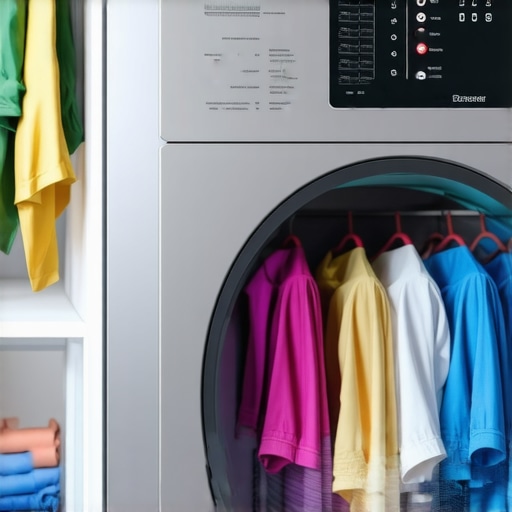
Ever had that sinking feeling when you pull your freshly dried clothes out of the machine, only to find them faded, shriveled, or worse — ruined? I remember the moment vividly. It was a Saturday afternoon, and I was eager to wear my favorite shirt, only to realize it looked much duller than when I put it in the dryer the night before. That frustrating experience turned into a lightbulb moment for me. I started digging into smarter ways to manage my laundry, especially with the new wave of smart dryers promising to revolutionize clothes care in 2026.
Bridging the Gap Between Tech Promises and Real-Life Laundry Woes
Traditional dryers often fell short in preventing fabric fade, especially since many models lack precise sensing technologies. But with the advent of smart dryer innovations, there’s hope. These advanced sensors can detect moisture levels, fabric type, and even load weight, tailoring dry cycles to prevent over-drying and color loss. Yet, even the smartest gadgets need a bit of human intervention. Early on, I made the mistake of trusting my new smart dryer blindly, thinking just pressing ‘start’ would do the trick. Turns out, ignoring sensor maintenance can turn these marvels into magic marred by damp clothes or faded fabrics.
Is All the Hype About Smart Dryer Sensors Just Filler?
Many skeptics ask whether these sensor hacks are just marketing gimmicks. Honestly, I was one of them. But after experiencing firsthand how a simple sensor cleaning can extend the life of my clothes, I became convinced. The key is understanding how these sensors function and recognizing common issues like lint buildup or calibration errors that can sabotage their performance. For instance, I once ignored the warning signs of sensor dirtiness, which caused my dryer to over-dry and fade clothes prematurely. Learning to keep sensors clean and calibrated transformed my laundry routine. Want to know how to do this effectively? I’ll walk you through the best hacks that I’ve personally tested and refined over the past year.
This post will guide you through four practical sensor hacks that can help you maintain vibrant clothes, save energy, and avoid costly replacements. Ready to transform your laundry game? Let’s dive into these smart tips so you can enjoy brighter, longer-lasting clothes in 2026 and beyond.
,
Clear Out the Lint Buildup to Boost Sensor Accuracy
Regularly cleaning the lint filter is essential for optimal dryer performance. I remember once skipping this step for a few months, which caused my smart dryer’s sensors to misread moisture levels, leading to over-drying and faded clothes. To fix this, remove the lint filter after each load and gently vacuum the lint trap housing with a soft brush or vacuum nozzle to remove unseen debris. This simple action maintains sensor precision, ensuring clothes stay bright and undamaged. For deeper cleaning, check out the lint trap’s detailed cleaning procedures in this guide.Even seasoned homeowners often believe that loading their dryer as crowded as possible speeds up drying. In reality, overloading your clothes dryer hampers airflow, causing uneven drying and higher energy consumption. Many assume all dryers, whether gas, electric, heat pump, or smart models, operate similarly, but each has unique nuances that can make or break your laundry efficiency. For instance, gas dryers typically heat faster and cost less to operate long-term, but they require proper venting to prevent safety hazards. Many people overlook this critical step, increasing fire risks and reducing lifespan. Advanced models like heat pump dryers are heralded for energy efficiency, yet improper setup or neglecting regular maintenance like cleaning filters and vents can cause them to underperform or develop malodors. A popular myth is that smart dryers are infallible due to their sensors, but neglecting sensor cleaning can lead to damp loads or fabric damage. Regularly maintaining sensors ensures optimal drying and extends your machine’s lifespan. Moreover, some users believe that the more cycles a dryer has, the better the drying quality. However, using the correct cycle tailored to your load type prevents unnecessary wear and preserves fabric integrity. In addition, many don’t realize that choosing the wrong ventilation setup—such as a rigid versus flexible duct—can dramatically decrease dryer efficiency and safety. According to a study by the U.S. Consumer Product Safety Commission, clogged or improper venting is one of the leading causes of residential dryer fires. Therefore, understanding the subtleties of your specific dryer model and paying attention to maintenance can prevent costly repairs and enhance your laundry results. Are you aware of the specific needs of your dryer? For instance, gas models need regular inspection for leaks, while smart dryers benefit from firmware updates and sensor calibrations. Making these small but critical adjustments can significantly improve performance, save energy, and protect your home. Have you ever fallen into this trap? Let me know in the comments and share your experiences with different types of dryers. A little knowledge about these hidden nuances can go a long way in ensuring your laundry routine is both efficient and safe.
Keep It Running Smoothly with the Right Tools
Maintaining your laundry dryer in peak condition requires more than just occasional cleaning—it demands the right tools and methods to ensure efficiency and longevity. Over the years, I’ve found that investing in a few specific items has made a significant difference in preventing breakdowns and optimizing drying performance. One essential tool is a high-quality multimeter. I personally use a Fluke 117 for its precision in diagnosing electrical issues, especially when checking heating elements or sensors in gas and heat pump dryers. Additionally, a soft brush or vacuum attachment is crucial for removing lint buildup from vents and sensors. I recommend a flexible vacuum nozzle with a narrow opening to reach tight spaces without damaging delicate components.
For sensor calibration, I rely on a simple yet effective digital thermometer. I use it to verify temperature consistency across cycles, ensuring my smart dryer’s sensors provide accurate moisture readings. To maintain the safety of gas dryers, a gas leak detector like the Bachmann Super Sniffer is indispensable. It helps me periodically check for leaks around fittings, preventing dangerous incidents and ensuring compliance with safety standards. Regular visual inspections with a torch and mirror can reveal issues like cracked hoses or corrosion before they escalate. I also keep a supply of replacement filters and vent clips on hand, so I can swap out any worn or damaged parts promptly.
How do I maintain my dryer over time
Consistent maintenance goes beyond just tools; it involves understanding your specific appliance’s needs. I schedule a quarterly check-up where I clean vents thoroughly using a vent brush and ensure the sensor surfaces are free of lint and dust, following the guidance in this detailed guide. Updating firmware on smart dryers is equally important since manufacturers release patches that improve sensor accuracy and energy efficiency. I make it a habit to download the latest updates and perform calibration checks every six months. For long-term results, I also inspect the gas connections annually, referencing safety protocols outlined by industry experts. Tomorrow, I challenge you to try one of these advanced maintenance techniques—say, cleaning your smart dryer’s sensors with a soft cloth and a little isopropyl alcohol to boost accuracy and prolong its lifespan. By integrating these tools and habits, you’ll ensure your dryer remains reliable, efficient, and safe for years to come.
What the Pros Wish You Knew About Maintaining Dryers for Perfect Laundry
My most eye-opening lesson was discovering that regular sensor calibration can make or break your clothes’ longevity. It’s not just about cleaning filters but about understanding when and how sensors drift over time. A small tweak in sensor calibration saved me hundreds in replacement costs and kept my wardrobe vibrant. That insight came from trial, error, and some insider tips I wish I had known earlier.
Curated Tools That Can Elevate Your Laundry Routine
Investing in a high-quality multimeter changed the game for diagnosing electrical issues, especially in smart dryers with complex sensors. I also trust a reliable vent cleaning brush; it keeps airflow optimal to prevent moisture buildup. For maintaining sensor accuracy, a digital thermometer is invaluable, helping me verify temperature consistency in different cycles. Lastly, a gas leak detector offers peace of mind, ensuring safety alongside efficiency. These tools are my personal go-tos for a hassle-free laundry experience.
Believe in Your Power to Transform Laundry Days
Remember, small adjustments like sensor cleaning or vent maintenance have a ripple effect on your clothes’ brightness and durability. Each step you take to understand your dryer’s nuances adds up, saving time, money, and endless frustration. Embrace these hacks, and let your laundry routine become a source of pride rather than stress. Your clothes—and your wallet—will thank you for it. Now’s the time to take charge and enjoy the fresh, vibrant garments you deserve!
What’s one laundry hack you’re eager to try first? Drop your thoughts below and let’s share the journey to smarter laundry!
,

Leave a Reply