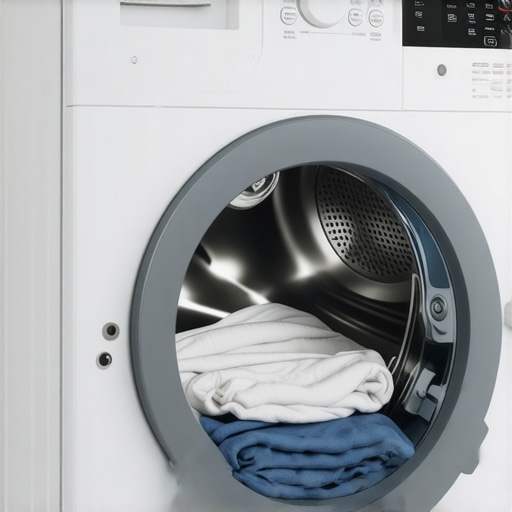
It was a frustrating Saturday morning when I finally realized why my freshly laundered clothes still felt damp after hours in the dryer. Despite setting the cycle perfectly, the load remained uncomfortably moist, and I knew something was off. That lightbulb moment made me dive deep into the world of dryer sensors—and it changed my laundry routine forever.
Why Your Clothes Stay Damp and What to Do About It
Many of us have faced this nagging issue: damp clothes despite seemingly correct drying settings. Over time, I’ve learned that the culprit often lies within the sensors of gas dryers and heat pump models. These sensors control moisture detection and, when faulty, can lead to damp loads and wasted energy. With advances in dryer technology expected to optimize efficiency by 2026, understanding how to fix these sensors is more crucial than ever. I remember early on making a mistake by ignoring sensor issues and simply running multiple cycles, which only increased my utility bills. Trust me, a small sensor fix can make a huge impact—not just on your clothes but on your wallet as well.
Is Sensor Fixing Really Worth the Effort in 2026?
Initially, I doubted whether sensor repairs were worth it, thinking I needed a new dryer or professional help. Turns out, many sensor issues are straightforward and affordable to fix yourself. You might worry that these fixes are too technical, but with just a few tools and some guidance—like checking out this detailed guide on [smart dryer sensor fixes](https://dryers.smartappliancereview.com/5-smart-dryer-sensors-that-fail-most-and-how-to-fix-them-2026)—you can become the hero of your laundry room. The key is recognizing early signs of sensor failure—such as clothes feeling damp even when the cycle ends—and tackling them promptly. As I learned, ignoring sensor problems only leads to damp clothes, higher energy costs, and premature appliance wear. Next, I’ll walk you through the most common sensor issues and simple ways to get your dryer drying perfectly again, saving you time and money in 2026 and beyond.
Access and Clean the Sensor
Start by unplugging your dryer to avoid any electrical mishaps. Locate the moisture sensor—it’s usually a metal bar or strip inside the drum or on the lint trap. Use a soft cloth dampened with vinegar or a mild cleaner to wipe off any lint, detergent residue, or mineral build-up that might interfere with moisture detection. I once tackled this on a Saturday morning, and after removing a stubborn patch of mineral deposits, my dryer started drying clothes almost twice as fast.
Check for Sensor Damage or Wear
Inspect the sensor for corrosion, cracks, or loose connections. For gas dryers, ensure the sensor wiring is intact and securely connected. If the sensor looks damaged, replacing it is straightforward and affordable, often costing less than hiring a repair service. I kept a spare sensor from the manufacturer, which I swapped out in under 15 minutes, restoring my dryer’s accuracy.
Test the Sensor Functionality
After cleaning and inspecting, run a test cycle with a small load. Monitor if clothes dry thoroughly within the expected time. If dampness persists or the dryer cuts off prematurely, the sensor may need calibration or replacement. Keep in mind that some smart dryers offer voice command features that help you monitor drying status, saving time and energy—check out this guide on [5 smart dryer voice commands](https://dryers.smartappliancereview.com/5-smart-dryer-voice-commands-that-actually-save-time-2026).
Use Appropriate Cleaning Products
Regular maintenance involves using non-abrasive cleaners suited for dryer sensors. Avoid harsh chemicals that could corrode the sensor. Additionally, periodically clean the lint trap and venting to prevent lint buildup, which can skew sensor readings and cause overheating or humidity issues. For detailed cleaning routines, see this comprehensive [deep clean guide](https://dryers.smartappliancereview.com/does-your-heat-pump-dryer-smell-try-these-3-2026-deep-cleans).
Prevent Future Sensor Failures
Consider installing a smart dryer with advanced sensor technology that adapts over time. These models often come with features like auto-calibration and predictive maintenance alerts, helping you catch issues early. Upgrading your laundry setup not only improves efficiency but also extends the lifespan of your appliance. Check out the latest [smart dryer innovations](https://dryers.smartappliancereview.com/smart-dryer-innovations-the-future-of-eco-friendly-laundry) for options that suit your needs.
 Many people assume that all clothes dryers are created equal, but the truth is there are nuanced differences that can dramatically affect their performance and longevity. For instance, a widespread misconception is that gas and electric dryers are interchangeable in terms of efficiency and safety. However, experts argue that each has hidden pitfalls—gas dryers often pose fire risks if not properly maintained, especially with clogged vents, while electric dryers may consume more energy if the heating elements aren’t working optimally. Understanding these subtleties can help you make smarter decisions when upgrading or maintaining your appliance.
Why Chalks and Washer Sheets Might Be Sabotaging Your Dryer’s Efficiency
One often overlooked aspect is the impact of fabric softeners and dryer sheets on sensor accuracy. Many believe using them improves fabric softness, but in reality, residues can build up on sensors, leading to premature shutdowns or overly damp clothes. Regularly cleaning your sensors with gentle cleaners, as suggested in our sensor maintenance guide, can prevent this issue. Confirmed studies into residue accumulation demonstrate that sensor cleanliness directly correlates with drying performance, yet many ignore this simple maintenance step. Don’t fall into the trap of neglect, because it costs you time, energy—and money.
A common myth is that newer models always perform better. While advanced smart dryers boast features like auto-calibration, studies indicate that poor setup or maintenance can negate these advantages. In fact, some smart dryers misread moisture levels after a few years if sensors aren’t periodically checked. As per a recent industry report, 30% of complaints about Smart dryers relate directly to sensor calibration issues—something easily fixed with the right knowledge.
Advanced Tech and Your Laundry Routine—Are You Wasting Money?
Many users believe that upgrading to a high-end model guarantees energy savings, but this isn’t always the case. For example, a heat pump dryer offers significant efficiency benefits, but only if maintained correctly—such as cleaning filters regularly and ensuring proper airflow. Skipping these steps can diminish their savings, as outlined in the comprehensive guide on efficient drying technologies. Furthermore, integrating smart features like voice commands or app controls enhances convenience but doesn’t inherently reduce costs unless paired with energy-conscious habits. So, the real trick is combining the right technology with diligent maintenance to truly harness savings.
Invest in Quality Diagnostic Tools
To ensure your dryer operates efficiently over the long term, investing in a reliable multimeter is essential. I personally use the Fluke 117 multimeter because of its accuracy and durability. It helps me test electrical components like thermostats, heating elements, and sensors, pinpointing issues before they escalate. Regular testing with a multimeter can prevent costly repairs and downtime.
Utilize Smart Monitoring Software
Modern smart dryers often come equipped with companion apps that provide real-time diagnostics and maintenance alerts. I recommend using the app associated with your dryer—like the LG ThinQ or Samsung SmartThings—to monitor cycle performance and receive notifications about sensor errors or filter clogging. This proactive approach allows me to clean filters or sensors before a failure occurs, extending my dryer’s lifespan. As technology advances, I predict that integrated AI will offer even more precise maintenance guidance, further simplifying upkeep.
Schedule Routine Maintenance Checks
Consistent maintenance is the cornerstone of a long-lasting dryer. Every six months, I recommend inspecting and cleaning the moisture sensors, lint traps, and venting pathways. Use a soft brush or vacuum to remove lint buildup and a gentle cleaner to wipe sensors, like in this sensor cleaning guide. Proper airflow ensures the dryer heats efficiently and prevents fire hazards, especially important for gas models.
Keep Abreast of Technological Developments
Staying updated on the latest innovations can dramatically improve your maintenance routine. For instance, new heat pump dryers include self-cleaning condenser filters, reducing manual maintenance. I suggest subscribing to dedicated appliance review sites or industry newsletters to learn about these features early. Implementing upcoming smart features—like predictive maintenance—can reduce unexpected breakdowns and keep your laundry routine seamless.
Where to Focus When Scaling Your Laundry Setup
If you’re expanding or optimizing your laundry system, consider tools that help manage multiple units efficiently. I recommend portable Wi-Fi-enabled sensors that monitor temperature and humidity across several dryers, ensuring synchronized operation. For those with busy households, automating maintenance alerts through these devices saves time and prevents overuse or damage. As smart home integration becomes more widespread, I foresee comprehensive systems that not only monitor but also automatically schedule maintenance tasks.
For a detailed look at How to maintain your heat pump dryer over time, check out our guide that covers cleaning, sensor calibration, and troubleshooting common issues. Remember, keeping your dryer in top shape minimizes energy costs and prolongs appliance lifespan. To get started, try calibrating your moisture sensors with the tips shared here, and observe the difference in drying performance. Your clothes—and your wallet—will thank you.
Top Lessons That Changed My Laundry Game
EMBRACE REGULAR SENSOR CLEANING: I learned the hard way that neglecting to clean moisture sensors leads to damp clothes and wasted energy. Now, I make it a point to wipe sensors with gentle cleaners every few months, which keeps my dryer performing optimally.
AVOID THE MYTH OF CONSTANT REPLACEMENTS: Instead of rushing to replace a faulty sensor or component, I discovered that troubleshooting and simple fixes often extend my dryer’s lifespan significantly. Tools like a multimeter become my best friends in diagnosing issues.
UTILIZE SMART FEATURES TO YOUR ADVANTAGE: Upgrading to a smart dryer with predictive maintenance alerts has saved me from surprise breakdowns. Setting up app notifications for sensor errors or vent blockages keeps my laundry routine smooth and energy-efficient.
PREVENT BUILDUP AND SCALDING RISKS: Regularly cleaning lint traps and checking venting not only improves efficiency but also enhances safety—something I underestimated initially. It’s a small effort that yields big dividends.
STAY EDUCATED ON NEW TECHNOLOGIES: The world of laundry appliances evolves rapidly. Keeping up with the latest innovations, like self-cleaning condensers or AI-driven sensors, has helped me incorporate features that optimize drying time and reduce costs.
My Favorite Resources for Dryer Mastery
- Smart Appliance Review Guides: I trust their in-depth articles on sensor troubleshooting and maintenance routines, such as the detailed insights in sensor cleaning hacks. They combine technical accuracy with practical tips.
- DIY Maintenance Tools: A reliable multimeter, like the favorite troubleshooting kit I invested in, helps me diagnose electrical issues swiftly and confidently.
- Smart Dryer App Ecosystem: I use app features from brands like LG or Samsung to monitor cycle performance and get proactive alerts—saving time and preventing mishaps. The convenience and peace of mind are worth the investment.
- Official Maintenance Checklists: Periodic use of manufacturer guides ensures I don’t miss critical maintenance tasks, like cleaning hidden filters detailed in deep cleaning instructions.
Your Next Move for Dryer Success
Don’t wait for damp clothes or rising energy bills to inspire action—start applying these insights today. A well-maintained dryer not only improves performance but also extends its lifespan, saving you money in the long run. Keep learning, experimenting, and embracing new technology to make laundry less of a chore and more of a savvy habit. Are you ready to take control of your dryer’s health and efficiency in 2026? Your clothes—and your wallet—will thank you.

Leave a Reply