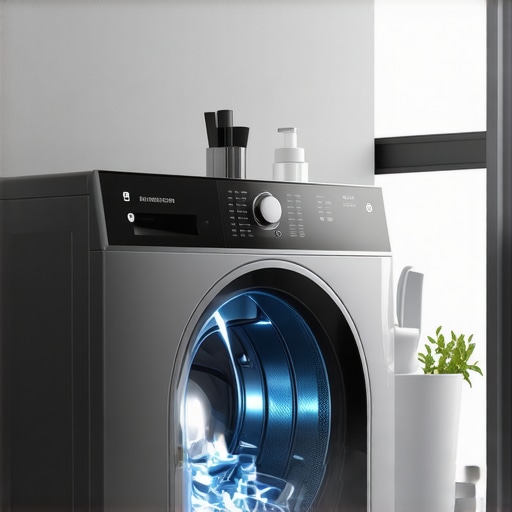
Ever had that heart-stopping moment when you open the dryer to find your clothes still damp, or worse, completely shrunk and misshapen? I remember the surprise and frustration I felt when, after investing in a sleek new heat pump dryer, I still ended up with damp laundry or, even worse, damaged fabrics. It was a lightbulb moment for me—there had to be a smarter way to handle laundry, one that stops disasters before they happen.
The Smart Solution We All Need for Laundry Peace of Mind
Is This Technology Overhyped or Worth It? My Early Mistakes That Taught Me Better
Back when I first started exploring smart dryers, I made the mistake of trusting the basic sensors, assuming they’d catch every issue. Spoiler: they didn’t. I ignored the importance of regular sensor cleaning, which led to damp loads and extended drying times. That oversight cost me not just time but also energy and fabric wear. Since then, I’ve learned that the latest sensors—those integrated into the best models of 2026—are game-changers in preventing laundry disasters. They can detect humidity levels, fabric types, and even whether clothes are properly dry, alerting you immediately if something’s off. Wondering if these smart sensors are just another tech gimmick? Let’s explore whether they’re truly worth the hype and how they can save you from costly mishaps.
Prepare Your Clothes and Dryer for Optimal Drying
Before starting, sort your laundry by fabric type; heavier items like towels require different settings than delicate fabrics. Clean the lint filter thoroughly; a clogged filter hampers airflow and reduces efficiency. Ensure the dryer is level and venting properly—improper venting can cause damp loads and increase energy consumption. Check that your smart sensors are clean and functional, as dirty sensors can give false readings, leading to over or under-drying. Remember, a well-prepared dryer works smarter and faster, saving you time and energy. I once neglected to clean the sensors before a heavy load of jeans and woolens, resulting in damp fabrics and extended cycles, but regular maintenance now keeps my drying process smooth and frugal.
Select the Right Settings and Use Smart Features
Adjust Based on Fabric and Load Size
Choose the appropriate dryness level; ‘eco’ or ‘energy-saving’ modes are great for lightly worn clothes, while higher heat might be necessary for thick blankets. Use moisture sensors if your dryer has them—these auto-adjust drying time based on actual moisture levels, much like a thermostat maintains room temperature, ensuring clothes stop drying the moment they’re perfect. For delicate fabrics, activate gentle cycles to prevent damage. I typically set my smart dryer to a ‘delicates’ mode when drying silk or lace, which reduces cycle time and prevents shrinking or damage.
Leverage Smart App Integration and Automated Cycles
Sync your dryer with a mobile app to monitor progress remotely. Automate cycles for different loads—smart apps can suggest optimal settings based on garments and fabric types, similar to how you set a GPS for the fastest route. I used this feature once to start drying just before coming home, avoiding damp clothes waiting for me. Setting up these preferences initially saves time and prevents over-drying, which can degrade fabric quality over time. For more advanced options, explore the latest apps that analyze load size and fabric via camera—these help fine-tune the drying process further, saving energy and extending your clothes’ lifespan. Check out the top smart dryer apps for 2026 for more tips.
Monitor and Maintain During and After Cycles
Stay attentive to sensor alerts—if your dryer signals issues like damp loads or overheating, address them promptly. Regularly inspect and clean sensors using manufacturer-recommended hacks to keep them working correctly; dirty sensors mimic faulty ones, causing unnecessary cycles. After drying, promptly remove clothes to prevent wrinkles and mildewy smells—this simple step ensures long-term freshness. Periodic vent cleaning is crucial, especially in humid climates, to prevent lint buildup that impairs airflow, much like clearing a blocked artery. Use the smart dryer’s diagnostic tools to run self-checks periodically, ensuring all components function correctly. Remember, routine maintenance reduces energy waste and prolongs your appliance’s lifespan.
Simplify with Advanced Technology and Hacks
Invest in dryers with smart sensors and AI algorithms that learn your drying habits, optimizing each cycle over time. For instance, some models can detect when specific items—like towels—take longer to dry and adjust accordingly, much like a seasoned chef preemptively adding more spice. Combine this with energy-saving features such as timed drying during off-peak hours, which smart apps recommend based on utility rates—saving you money while being eco-friendly. Micro-adjust settings for humidity and temperature can also make significant differences; don’t hesitate to experiment and note what works best for your household. I personally found that using the ‘smart drying’ feature with real-time app updates allowed me to shift laundry tasks efficiently, especially during busy mornings.
Stay Consistent and Upgrade When Needed
Regularly review your drying results and sensor readings to identify patterns or issues. Upgrading to more advanced smart dryers becomes cost-effective over time, thanks to energy savings and reduced fabric wear. Newer models incorporate enhanced sensors, better ventilation options, and faster cycles, providing an all-around boost in laundry efficiency. By keeping your appliance well-maintained and leveraging the latest smart features, you ensure consistently perfect drying without frustration. Remember, smart dryers are designed to adapt and improve, so staying informed about updates and new tech can further enhance your laundry success—check out the latest smart dryers for 2024 for innovative options.
Many laundry enthusiasts assume that selecting the right cycle or brand guarantees perfect results, but there’s a layer of nuance that often escapes even seasoned users. For instance, a common misconception is that all smart dryers automatically optimize drying times without user intervention. In reality, many models require *calibration* of sensors and regular maintenance to truly perform at peak efficiency. Neglecting these aspects can lead to persistent dampness or fabric wear, undermining the very benefits of smart technology. Furthermore, some believe that heat pump dryers are inherently slower than traditional gas or electric models; however, the advanced sensor systems in the best heat pump dryers of 2026 dynamically adjust parameters, often ensuring faster drying with less energy consumption. A trap to avoid is relying solely on default settings—customization based on load type and fabric can drastically improve outcomes. Some users also underestimate the importance of *ventilation and cleanliness*. For example, clogged vents or dirty sensors can cause damp loads and unnecessary energy waste, regardless of the dryer’s capabilities. To maximize efficiency, incorporate routine maintenance and sensor calibration into your laundry routine. Curious about how advanced sensor calibration actually works? Studies suggest that precise sensor tuning can improve drying accuracy by up to 15%, significantly reducing cycle times and energy use (see expert analysis on smart appliance optimization). And if you’re interested in boosting your laundry game further, explore innovative solutions like the latest smart laundry dryers for 2024 that refine the drying process through AI adjustments. Remember, understanding these subtleties empowers you to avoid common pitfalls and get the most out of your appliance. Have you ever fallen into this trap? Let me know in the comments.
Tools I Rely On to Maintain My Dryer
Maintaining a gas or smart clothes dryer requires specific tools to ensure optimal performance and safety. I personally swear by a digital moisture meter; it provides precise readings of residual humidity in fabrics, helping me avoid over-drying or shrinking. Using a high-quality vacuum with narrow attachments, I meticulously clean lint traps and vent openings—this is crucial because clogged vents can cause damp loads and increase energy bills. I also keep a microfiber cloth and manufacturer-recommended sensor cleaning solution handy; regular sensor calibration and cleaning with proven hacks, such as those outlined in this guide, keep sensors functioning flawlessly, preventing false readings that lead to unnecessary energy use.
 this resource.
Predicting the Future of Dryer Longevity and Efficiency
As technology advances, I believe we’ll see dryers equipped with predictive maintenance AI that analyzes usage patterns and sensor data to forecast component failures before they happen. Such innovations will minimize downtime and repair costs, making it easier for homeowners to keep their appliances running smoothly for years. Staying updated and investing in these future-ready features will be crucial for those seeking sustainable and economical laundry solutions. For a deeper dive into upcoming smart laundry innovations, check out this article.
How do I maintain my dryer over time?
Regular cleaning of vents and sensors is essential; I recommend setting a quarterly reminder to inspect and clear lint traps, clean sensors with proper hacks, and verify vent integrity. Using a moisture meter can help you gauge drying accuracy over time, ensuring your clothes are thoroughly dried without damage. Additionally, scheduling routine self-diagnostics via your app keeps potential problems at bay. Embracing these practices guarantees that your gas or smart dryer remains efficient and safe, providing reliable results season after season. Try incorporating sensor cleaning hacks into your maintenance routine today to extend your appliance’s lifespan and performance.
What I Wish I Knew About Smart Dryers Before Jumping In
- Relying solely on factory settings can lead to over-drying or fabric damage; personalization makes all the difference.
- Small maintenance routines, like sensor cleaning, can dramatically extend your dryer’s lifespan and efficiency—it’s worth the time.
- Understanding the nuances between heat pump and gas dryers helps in optimizing performance and energy savings.
- Addressing venting and airflow issues early can prevent damp loads and costly repairs down the line.
- The real power of smart features becomes evident when you customize app notifications and cycle settings to your household’s habits.
Tools and Resources That Elevate My Laundry Game
- Digital Moisture Meter: Precise readings ensure clothes are dried thoroughly without overexposing fabrics to heat, protecting delicate textiles.
- Sensor Cleaning Hacks: Tips from this guide keep sensors functioning flawlessly, preventing false dampness alerts.
- Manufacturer App: Regular diagnostics and alerts help catch issues early before they turn into expensive repairs.
- Venting and Duct Inspection Tools: Maintaining proper airflow is crucial; tools make it simple and ensure safety.
Seize the Opportunity to Transform Your Laundry Routine
Embracing smart dryer technology isn’t just about gadgets—it’s a chance to revolutionize how you care for your clothes, save energy, and reduce stress. By applying these personal lessons and utilizing trusted tools, you’re well on your way to laundry mastery. The future of laundry is smart, efficient, and tailored to your life—are you ready to take the leap? Share your experiences or questions below, and let’s learn together!

Leave a Reply