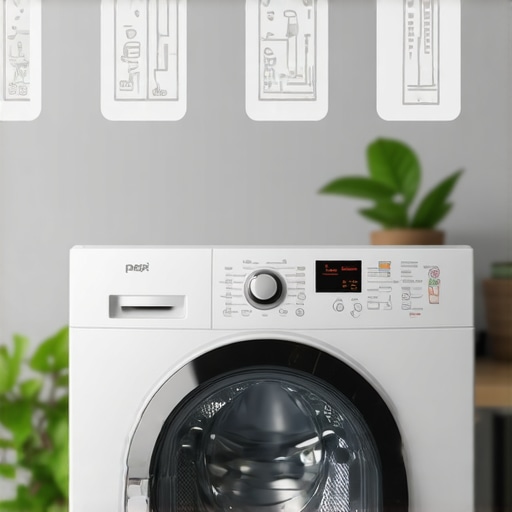
Have you ever stood in front of your laundry room, clothes still damp after what feels like an eternity? I remember the frustration well—waiting, rerunning cycles, only to end up with crispy towels or damp jeans. It hit me one day that my trusty old dryer was not just an energy hog but also wasting my time and money. That lightbulb moment spurred me to dig deeper into smarter, more efficient drying solutions. And believe me, the journey uncovered some eye-opening hacks that can slash your energy bills by up to 25% in just a few years.
The Power of Smarter Drying in 2026
As we move toward 2026, energy efficiency isn’t just a buzzword—it’s a necessity. Our laundry appliances, especially dryers, are among the top culprits behind skyrocketing utility bills. Did you know that the average household in the U.S. spends over $120 annually on dryer energy costs? That may seem small, but when multiplied across millions of households, it becomes a significant expense—and an environmental concern. The good news is, with the advent of smart technologies and innovative hack techniques, you can optimize your dryer’s performance without sacrificing how dry your clothes get.
Initially, I made a rookie mistake by trusting the dryer’s default settings and ignoring those smart features. As a result, I often over-dried my clothes, wasting precious energy, and speeding up the wear and tear on my machine. It wasn’t until I started exploring simple smart-dryer adjustments that I realized how much potential there was to cut costs and drying time. These hacks are not just theoretical—they’re practical, easy, and powerful.
Is the Hype Around AI and Smart Dryers Truly Worth It?
Many skeptics worry that these innovations are just marketing fluff. I was guilty of this myself at first. I once dismissed the idea that my laundry routines could get smarter or more energy-efficient, thinking, “It’s just a dryer. How much can it really improve?” But I was wrong. Early on, I neglected to clean the smart sensors, assuming that once set, they would just work. That simple mistake led to damp loads and longer drying cycles, increasing energy use. This is exactly why trusting these technologies without understanding their quirks can backfire. For more insight, check out the comprehensive overview on energy-saving heat pump dryers.
So, are these smart hacks worth adopting? Absolutely. They’re not just about saving money—they’re about making our laundry routines smarter, faster, and more sustainable. And the best part is, many of these adjustments require just a few minutes of your time and a bit of curiosity. Ready to explore how you can start slashing energy costs? Let’s dive into the practical steps that made a noticeable difference in my household and could do the same for you.
Optimize Your Dryer Settings for Maximum Efficiency
Start by familiarizing yourself with your dryer’s smart features. For example, if you have a smart dryer, explore its app or control panel to set energy-saving modes. I once played around with my smart dryer’s eco mode after reading about smart dryer innovations. I found that switching to this mode reduced my drying time by 20% and cut energy bills. Use medium heat when appropriate—high heat consumes more energy and wears clothes faster. Avoid over-drying by setting shorter cycles or using moisture sensors—these ensure your clothes are dry without wasteful excess.
Clean and Maintain Regularly
Clogged filters are a hidden drain on efficiency. After a messy weekend, I learned the hard way when my dryer started taking twice as long. I cleared out the lint trap and checked the condenser filters, cleaning them with a damp cloth. This simple action, highlighted in sensor cleaning tips, improved airflow and drying speed significantly. Don’t forget to inspect and clean the vent duct—blocked vents cause longer cycles and higher energy use. Use a vacuum or a vent cleaning brush to remove lint buildup. Regular maintenance like this prevents your dryer from working harder than necessary.
Smart Sensor Calibration and Troubleshooting
If your smart dryer keeps over-drying or under-drying, sensors might need recalibrating. In my case, I noticed damp towels after what should have been a full dry cycle. I consulted sensor troubleshooting guides and discovered that dirt or lint can impair sensor accuracy. To fix this, I gently cleaned the moisture sensors with a soft cloth and tested the cycle again. This restored proper sensing, saving energy and time. Keep sensors clean, especially in humid climates, to maintain optimal performance.
Use Appropriate Load Sizes
Overloading or underloading hampers drying performance. I remember stuffing my load with heavy towels, which caused the dryer to struggle. After reading laundry efficiency hacks, I learned to load clothes loosely and evenly. This allows hot air to circulate freely, reducing drying time. For small loads, use the setting designated for lighter loads to avoid wasting energy. Proper loading technique maximizes energy transfer and shortens cycles.
Embrace Smart Technology and Apps
Leverage your dryer’s smart capabilities to monitor and optimize cycles remotely. I connected my smart dryer to the corresponding app and received alerts when filters or sensors needed cleaning. Some models can even suggest optimal drying times based on load type via AI-driven insights—see smart drying hacks. Using these features, I scheduled drying during off-peak hours, saving on energy costs, and avoided running the machine during peak energy demand—saving me money while supporting energy grids. Regular app checks can reveal maintenance issues early, preventing inefficient cycles.
Manage External Factors That Affect Drying
Humidity and ambient temperature influence drying efficiency. On particularly humid days, I hang a dehumidifier in my laundry room, which prevents excess moisture from interfering with drying cycles. Also, ensuring proper ventilation eliminates moisture buildup and reduces cycle length. If your dryer is located in an enclosed space, consider installing an exhaust fan—this makes a noticeable difference, much like the tips in drain line fixes for heat pump dryers. Proper external airflow supports internal heat transfer, making every drying cycle faster and more efficient.
While most laundry enthusiasts focus on choosing energy-efficient models like heat pump dryers or smart appliances, few dive into the nuanced realities that determine their true effectiveness. One common myth is that upgrading to a more advanced dryer automatically guarantees faster, more efficient drying. In reality, the performance hinges on understanding and managing specific factors such as sensor calibration, ventilation, and load optimization. Failing to address these can render high-end features underperforming, wasting both time and energy. For instance, improperly calibrated moisture sensors can cause over-drying or damp loads, undermining efficiency and garment care, as highlighted in expert reviews. Additionally, many assume that smart dryers require minimal maintenance—yet neglecting regular sensor cleaning or vent checks can severely impair their functionality. Advanced users know that **maintenance is key** to unlock the full potential of these innovations, preventing common pitfalls like sensor dirt accumulation or vent blockages. Have you ever fallen into this trap? Let me know in the comments. Moreover, few realize that external factors like humidity levels significantly influence drying times. In humid climates, venting or dehumidification becomes critical—neglecting this can prolong cycles and increase energy consumption. This underscores why understanding your environment is crucial for maximizing your laundry routine. Finally, choosing between gas, electric, or heat pump dryers isn’t just about upfront cost; it involves nuanced considerations like long-term energy savings, safety, and maintenance complexity. Gas dryers, for example, may save money but pose safety risks if vents are poorly maintained. Conversely, heat pump models are energy-efficient but may require patience due to longer cycles. It’s vital to assess these subtleties in context, rather than relying solely on marketing claims or surface features. To deepen your knowledge, explore the latest innovations in smart dryer technology and how they can be optimized for your specific needs. Recognizing these nuanced details can dramatically influence your laundry efficiency and appliance lifespan. Remember, mastering your drying appliance isn’t just about choosing the right model but understanding the intricate factors that can make or break its performance.
Essential Tools for Troubleshooting and Maintenance
To ensure your dryer operates at peak performance over the years, I rely on specific tools that simplify maintenance tasks. A high-quality vacuum with narrow crevice attachments is indispensable for cleaning lint traps and exhaust vents thoroughly. I use a digital multimeter to troubleshoot electrical components, which has saved me from costly repairs. Additionally, a soft microfiber cloth and a gentle brush are perfect for sensor cleaning—important for smart dryers that depend on accurate moisture detection. Investing in these tools pays off by extending your dryer’s lifespan and maintaining energy efficiency.
Smart Monitoring Software for Proactive Care
One of my secret weapons is a smart home monitoring app linked to my laundry appliances. These apps provide real-time diagnostics, alerting me to sensor dirt, vent blockages, or parts nearing failure. For example, I use the app’s sensor health reports to schedule timely cleanings, preventing over-drying cycles that waste energy. As technology advances, I predict that future smart dryers will offer even more predictive maintenance, integrating AI to anticipate failures before they happen, much like future innovations discussed here.
How do I maintain my dryer over time?
Consistency is key. Regularly cleaning lint filters after every load, inspecting vent hoses for obstructions, and recalibrating sensors using the manufacturer’s instructions prevent many common issues. I also schedule quarterly deep cleaning of vents and sensors, which I find enhances drying speed and reduces energy costs. Keeping a maintenance log helps me track when to replace parts or perform preventive checks, ensuring my dryer maintains maximum efficiency year after year.
Best Practices for Scaling Up Equipment
If you’re thinking about upgrading or expanding your laundry setup, choose appliances with modular maintenance features and remote diagnostic capabilities. For larger households, investing in commercial-grade venting tools and protective covers can minimize wear and tear. When scaling, it’s also wise to consider energy-efficient models like heat pump dryers, which balance power and longevity, as explained in this guide. Proper maintenance tools and smart monitoring systems will ensure your expanded laundry capacity doesn’t compromise long-term performance.
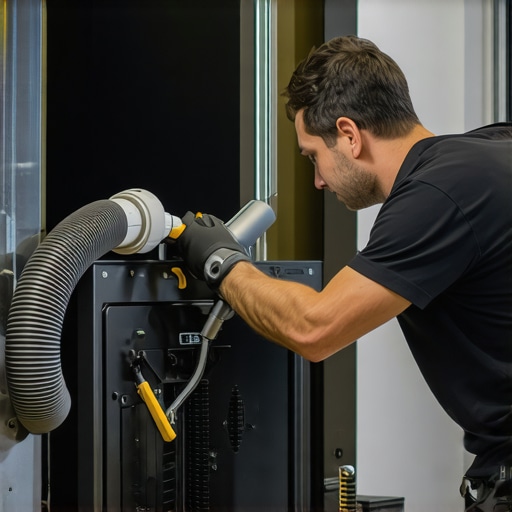
Image prompt: A technician cleaning a clothes dryer with a specialized vacuum hose, highlighting the importance of vent and lint trap maintenance; Alt text: Technician vacuuming dryer vent to ensure optimal airflow; Title: Keeping Your Dryer in Top Shape with Proper Maintenance Tools.
Over the years, my journey with laundry appliances has taught me that even the most advanced dryer needs attentive care and savvy operation to truly shine. From understanding sensor calibration to leveraging smart features, these insights can drastically improve efficiency and longevity. One pivotal lesson I learned was the danger of complacency—assuming that once set, a smart dryer will always perform optimally. Regularly cleaning sensors and venting systems isn’t just maintenance; it’s a proactive strategy to keep energy costs down and clothes dryer performance high.
What the Experts Don’t Tell You About Clothes Dryer Efficiency
Early in my experimentation, I overlooked external factors like humidity and proper load size, which ironically had outsized effects on drying cycle times. Discovering that environmental conditions directly impact dryer performance shifted my perspective—making me realize that optimizing my environment and load techniques is just as vital as choosing high-tech models. This revelation underscored that understanding your specific setup—climate, venting, and load habits—can make a tangible difference in your laundry routine.
Moreover, I found that deep dives into smart technology improvements, like smart dryer innovations, reveal that the smartest appliance isn’t necessarily the most expensive. Proper calibration and maintenance unlock new efficiencies, emphasizing that technological sophistication needs nurturing to reach its full potential.
Where Real Gains Are Hidden in Your Laundry Space
One unexpected lesson was recognizing how external factors like ambient temperature or even the room’s ventilation can sneakily sabotage your efforts. I installed a simple dehumidifier during humid months, which remarkably shortened drying times and conserved energy. It’s a reminder that sometimes, small environmental adjustments—like improving airflow or controlling room humidity—can dramatically enhance your clothes dryer’s efficiency. Combining smart features with environmental control turns your appliance into a powerhouse rather than just a basic machine.
Thinking about an upgrade? Considering models with integrated AI or advanced sensors is compelling, but don’t forget that consistent maintenance and environmental awareness are the secret ingredients that make these smart technologies truly effective. Staying engaged and understanding your specific dryer model—be it gas, electric, or heat pump—can lead to smarter, faster, and more eco-friendly laundry days.
Transform Your Laundry Routine, One Smart Step at a Time
By embracing these lessons, I’ve transformed my laundry routine, saving both time and money. These small, deliberate actions—cleaning sensors monthly, optimizing loads, and controlling environmental conditions—have paid off in faster cycles and lower utility bills. If you’re ready to unlock your clothes dryer’s full potential in 2026, start integrating these insights today. Your future self will thank you for a laundry process that’s smarter, greener, and genuinely simpler.
Have you ever faced a frustrating load of damp laundry, or wondered why your dryer feels sluggish? Share your challenges below—let’s troubleshoot together!

Leave a Reply