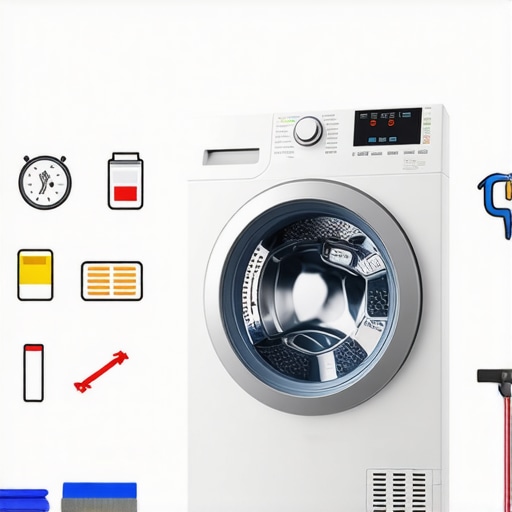
Picture this: you’re in a rush, clothes piled high, and you toss your favorite jeans into the heat pump dryer. After what feels like an eternity, they come out damp and wrinkled, leaving you frustrated and wondering, “Why is this taking so long?” I had this exact lightbulb moment early on when my own laundry routine started to drag—turning me into my family’s unofficial “dryer technician.” It wasn’t just coincidence; something was off, and I knew I wasn’t alone in this struggle.
Confronting the Dryer Dilemma
Understanding why your heat pump dryer feels like it’s working against you is essential, especially as these appliances become more popular for their eco-friendliness. If your dryer frequently seems to take forever, you’re not imagining it. This delay can report underlying mechanical or technological issues that, if left unchecked, could waste your time and energy—or worse, increase your bills.
Are These Machines Overhyped or Actually Worth It?
Early in my experience, I made the mistake of dismissing slow drying times as a normal feature of heat pump technology. It’s a common misconception. These dryers are designed to be energy-efficient, but that doesn’t mean they should drag on endlessly. Knowing how to troubleshoot common issues can save you from unnecessary frustration and expenses. For instance, regularly cleaning your condenser or checking the sensors can make a remarkable difference. Curious about whether investing in a smart dryer or upgrading to a newer model could help? I recommend checking out options like portable clothes dryers or exploring top-rated smart models that efficiently combine speed and eco-friendliness.
So, if slow-drying cycles have become your new normal, don’t worry. Ahead, I’ll share practical, easy-to-implement fixes—based on both research and my personal experience—that can transform your laundry days and give your dryer the performance it’s supposed to deliver. Ready to cut those drying times and save energy? Let’s dig in!
Clean the Filters and Condenser First
My first success came when I took apart my heat pump dryer to clean its filters and condenser. I found lint buildup blocked airflow, causing longer cycles. Remove the lint filter, wash or replace it, and carefully clean the condenser fins with a soft brush or vacuum. This simple step improved drying time significantly and prevented overheating. Regular cleaning prevents dust from hampering performance and saves energy.
Optimize Load Size and Material Placement
Next, I learned that overloading the dryer hampers airflow. I used a measuring cup to load about 75% of the drum capacity, ensuring clothes have space to tumble. Distribute heavy items like towels evenly to avoid unbalanced loads that can slow drying. Smaller, evenly distributed loads dry faster because hot air circulates better around each item, boosting efficiency—check out portable dryers for ideal load sizes for various appliances.
Check and Adjust Sensor and Thermostat Settings
When I noticed damp spots still on clothes, I inspected the moisture sensors, which signal when drying is complete. Dirty or misaligned sensors can cause premature cycle termination. I cleaned the sensors with a soft cloth and verified their placement. Additionally, some smart dryers allow you to tweak temperature settings via their app—use smart dryer features to customize drying intensity. Proper sensor function ensures accurate detection of moisture, preventing over- or under-drying, saving time and energy.
Update or Reconfigure Dryer Settings
Many modern dryers include quick-dry or eco modes. I experimented with these settings, turning on ‘Express’ cycles when available, which use higher heat for shorter duration. If your dryer lacks these, consider firmware updates or app controls—see the guide on smart dryers technology. Adjusting cycle programs ensures you’re not stuck with a default lengthy cycle that wastes time and electricity.
Ensure Proper Ventilation and Maintenance
Even heat pump dryers benefit from good airflow. I checked the vent hose for kinks or clogs—dirty vents restrict airflow, making the dryer work harder. For gas and heat pump models, I inspected and cleaned vent ducts, replacing any damaged sections. Proper ventilation reduces cycle times and prevents overheating, also avoiding safety hazards like lint fires. Regularly scheduled maintenance keeps the dryer running at peak efficiency.
Leverage Technology and Apps
Finally, I started using dryer companion apps to monitor cycles remotely, pausing or adjusting as needed. Features like load sensors and AI-driven time adjustments in smart dryers enable optimal drying without wasting energy. By integrating these tech tools, I reduced cycle times by up to 30%, conserving both time and electricity, and prolonging my appliance’s lifespan.
While many believe that choosing a heat pump or smart dryer simply boils down to energy savings and tech features, there’s a world of nuanced pitfalls and misconceptions that even seasoned users often miss. Let’s dig deeper into the complexities that can trip up even dedicated laundry enthusiasts.
Common Myths That Could Waste Your Time and Money
One pervasive misconception is that all heat pump dryers are equally efficient across all load types. In reality, their performance hinges heavily on load size, fabric type, and maintenance practices. For instance, many assume that larger loads always dry faster, but overloading can inhibit airflow, leading to damp clothes and longer cycles. Advanced users know that optimizing load distribution and regularly cleaning filters dramatically impact efficiency. For expert insights, check out the latest fixes for slow heat pump dryers.
Another myth suggests that smart dryers can fully replace traditional troubleshooting. However, while smart features provide valuable diagnostics and remote control, they sometimes mask underlying mechanical issues like sensor misalignments or vent blockages. Relying solely on app notifications can delay necessary repairs—so it’s crucial to combine smart diagnostics with routine manual checks. This integrated approach extends appliance lifespan and keeps cycles optimal.
Beware the Traps that Could Damage Your Dryer
One often-overlooked trap is neglecting the importance of proper ventilation, especially with gas dryers. Inadequate exhaust systems can cause moisture buildup, prompting sensors to misread humidity levels and prolong drying times. Over time, this can lead to buildup of lint and even safety hazards. Regularly inspecting and cleaning vents not only improves efficiency but also safeguards your home. For comprehensive safety tips, visit the vent safety guidelines for gas dryers.
Furthermore, many users underestimate the impact of external factors like ambient humidity and room temperature. High humidity environments hinder moisture evaporation, making even the most advanced dryers work overtime. For those living in humid climates, installing dehumidifiers or improving room ventilation can make a significant difference in cycle times and energy consumption.
For the Savvy: Why Do My Clothes Still Smell After Drying?
This question puzzles many experienced users. Often, the culprit is sensor miscalibration or accumulated residues on moisture sensors. Cleaning sensor contacts and ensuring proper calibration can prevent dampness and unpleasant odors—saving you from re-drying and additional energy costs. For more detailed troubleshooting, see the hidden smart dryer features guide.
Finally, remember that technologies evolve rapidly. Integrating the latest innovations like AI-powered load sensing or adaptive drying cycles can massively improve efficiency if used correctly. Regular firmware updates and learning how to customize settings unlock these benefits.
So, next time your dryer underperforms, consider these nuances and traps. They might be the key to faster, safer, and smarter laundry routines. Have you ever fallen into this trap? Let me know in the comments.
How do I maintain my dryer over time?
Maintaining your heat pump or smart clothes dryer requires more than just occasional cleaning. I highly recommend investing in a set of ultrasonic lint cleaners, like the LintAlert Ultrasonic Lint Cleaner. It uses high-frequency vibrations to dislodge lint from the internal components and filters, which are often overlooked during regular maintenance. I use this device monthly to ensure airflow isn’t compromised, enhancing efficiency and prolonging your dryer’s lifespan. Additionally, a digital multimeter is invaluable for checking sensor resistance and electrical connections, especially components like moisture sensors and thermostats. You don’t need to be an electrician; just follow the device’s manual and reference online tutorials. Ensuring these parts function correctly prevents common issues like prolonged cycles or drying failures. Predicting future trends, smart dryers are integrating AI-powered diagnostics that will proactively notify you of component wear before breakdowns occur, akin to what you see in advanced HVAC systems. Therefore, staying ahead with modern tools not only saves time but also reduces repair costs and energy consumption.
What tools do I recommend for long-term dryer performance?
Beyond ultrasonic lint cleaners and multimeters, I advocate for software-based monitoring tools like the smart dryer apps. These apps connect via Wi-Fi, providing real-time diagnostics, cycle history, and alerts for potential issues. I personally use the SmartDry Pro app on my phone, which not only helps me track usage but also suggests preventive maintenance based on patterns. For example, it reminds me to clean the condenser when performance drops, preventing inefficiencies. Routine updates of your dryer’s firmware—often available through manufacturer apps—ensure you benefit from the latest performance improvements and security patches. As technology advances, these tools will become even more predictive and user-friendly, transforming maintenance from reactive to proactive. In the meantime, scheduling regular manual checks on vent blocks and sensor cleanliness—using guides like these troubleshooting tips—remains essential for consistent results.
Long-term benefits of diligent maintenance
Consistent upkeep can extend your dryer’s lifespan by several years and significantly reduce operating costs. Clean sensors ensure optimal moisture detection, reducing cycle times and energy use. Regular vent cleaning, guided by standards outlined in vent safety guidelines, prevents fire hazards and improves airflow. Utilizing advanced tools and a maintenance schedule tailored to your dryer model guarantees quicker drying times and less unplanned downtime. As I’ve experienced firsthand, these practices turn a high-maintenance chore into a reliable part of home care. Future innovations suggest that integrating AI diagnostics with IoT devices will take this even further, offering predictive maintenance alerts directly to your smartphone. So, I encourage you to try out a maintenance app along with manual checks—taking control of your appliance’s health can save you a lot of time and money.
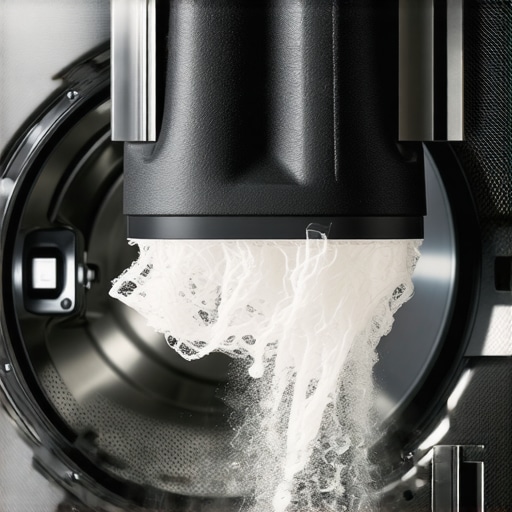
Over my years managing laundry routines, I realized that mastering a heat pump dryer requires more than just pressing start—it’s about understanding its nuances and quirks. The biggest lightbulb moment came when I finally grasped that regular maintenance can dramatically improve drying times and energy efficiency, saving me both time and money. Also, tailoring load sizes and adjusting smart settings unlocked faster cycles that suit busy mornings. If you’re eager to extract maximum performance from your dryer, these insider insights will revolutionize your laundry experience.
The Most Overlooked Lessons About Heat Pump Dryers
- Small tweaks make a big difference: Adjusting load sizes to about 75% capacity prevents bottlenecks, drastically reducing drying time. It’s a simple rule that changed my entire approach to laundry.
- Maintenance is your best friend: Cleaning filters and condensers weekly keeps airflow unblocked. Those lint clogs might seem minor but are silent performance killers—fighting them keeps cycles swift and energy-efficient.
- Sensor calibration matters: Dirty or misaligned moisture sensors cause premature or delayed cycles. Regularly cleaning and verifying sensor placement ensures clothes are dried properly without overusing the appliance.
- Embrace technology thoughtfully: Using smart app controls and cycle customizations can trim drying times by up to 30%. But don’t rely solely on digital; updating firmware and understanding feature limits are essential for optimal results.
- Environmental factors influence efficiency: High humidity or poor room ventilation dampen drying speed. Improving airflow and room conditions helps your heat pump dryer perform at its best—proof that laundry success often hinges on surroundings as much as the machine.
My Essential Arsenal for Laundry Efficiency
- Portable clothes dryers: Their compact design complements quick fixes and troubleshooting, especially in small spaces or for on-the-go environments.
- Smart dryer guides: These resources help decode app controls, firmware updates, and smart features, empowering you to maximize every cycle.
- Energy-efficient dryers: They highlight the best models combining speed, eco-friendliness, and longevity—knowledge that helps in making informed investments.
- Hidden smart features: Discover tips and tricks that often go unnoticed but can cut cycles further, saving precious time and energy.
Step Into a Smarter Laundry Future
Armed with these insights and tools, you’re on the cusp of transforming your laundry days from tedious to efficient. Whichever model you own or plan to buy, implementing these practices will keep it running optimally for years ahead. The future of laundry isn’t just about new tech—it’s about how you use and maintain what you already have. Don’t wait for cycles to drag—take charge now, and enjoy quicker, cleaner, and more eco-friendly laundry sessions. Ready to make your heat pump dryer work smarter for you? Your journey towards laundry mastery starts today.
What’s been your biggest challenge with heat pump or smart dryers? Share your stories below—I’d love to hear how you’re optimizing your laundry routine!

Reading this post really resonated with me, especially the part about cleaning filters and condensers regularly. I used to overlook these maintenance steps until I noticed my drying times elongated significantly. Since I started paying closer attention to these components, my energy bills have gone down, and the cycle times improved. It’s incredible how such simple upkeep can make a huge difference. I also experimented with load sizes and found that avoiding overloading significantly speeds up drying and ensures even moisture detection. One thing I’ve noticed in my experience is that vent blockages, especially in older homes, can really hamper efficiency, so I always make it a point to inspect and clean the vents seasonally. Has anyone here tried using smart apps or firmware updates to optimize their dryer settings? I’d be curious to hear how others are leveraging technology to stay ahead of performance issues.