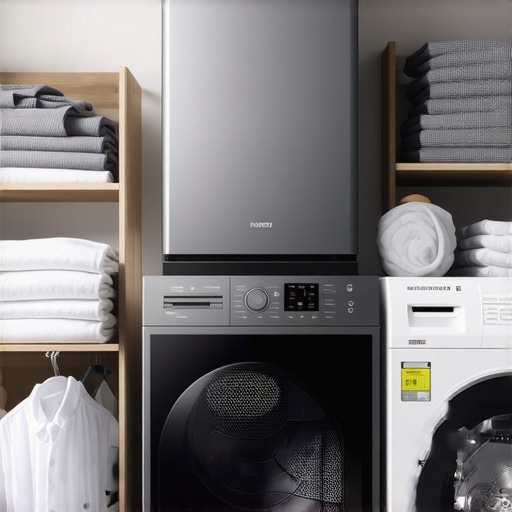
There was a morning when I opened my heat pump dryer, expecting fluffy, perfectly dried clothes—only to be greeted by a damp, slightly musty smell. Just like that, the frustration hit me. I’ve been down that road before, wasting time and energy trying to troubleshoot what seemed like a stubborn humidity problem. It’s a familiar scene for many laundry room warriors—clothes that refuse to dry completely, leading to repeated cycles and soaring utility bills. It made me realize that understanding and fixing the condenser issues in heat pump dryers isn’t just a minor detail; it’s essential for achieving efficient, eco-friendly laundry routines in 2026 and beyond.
Why Humidity Problems Can Sabotage Your Laundry Day
Heat pump dryers are revolutionizing laundry with their energy efficiency and gentler drying processes, but they come with their own set of challenges, especially concerning humidity management. If your clothes feel damp after a cycle, or if you notice a persistent musty odor, chances are there’s a problem lurking within the condenser system. Left unchecked, this can lead to longer drying times, higher energy bills, and even mold growth, which nobody wants in their home. I learned this the hard way—early on, I ignored the importance of condenser maintenance and paid the price with damp laundry and rising costs.
Fortunately, I’ve found that most humidity issues stem from a handful of common condenser problems. Addressing them doesn’t require emergency calls or complex DIY skills; a bit of knowledge and practical fixes can make all the difference. For example, modified condenser components or blocked airflow could be silently sabotaging your dryer’s performance. It’s worth knowing that according to a recent industry report, condenser problems are among the top causes of inefficiency in heat pump dryers as we approach 2026, underscoring the importance of proactive maintenance (source). So, if you’ve faced stubborn damp clothes and temperature issues, know that solutions are within reach.
In this post, I’ll walk you through four practical, tried-and-true condenser fixes that will help you banish humidity woes for good. Whether you’re a busy parent or a tech-savvy homeowner, these tips will restore your dryer’s efficiency and bring peace back to your laundry room. Ready to say goodbye to damp clothes and hello to fresh, dry loads? Let’s dive into the essentials that will make your 2026 laundry routine smoother and more sustainable.
Inspect and Clear the Airflow Path
Start by unplugging your dryer and locating the condenser unit, usually accessible from the front or rear panel. Gently remove any panels to expose the condenser suggests with a soft brush or a vacuum cleaner with a brush attachment. Remove dust, lint, and debris—these obstructions block airflow and reduce condensation efficiency. I once opened mine after a year of neglect and found a thick layer of lint; cleaning it instantly improved drying times. Remember, clogged airflow equals damp clothes and higher energy use. Ensuring unobstructed airflow is akin to cleaning a clogged artery for your dryer’s health.
Disassemble and Clean the Condenser
Next, carefully detach the condenser coils—consult your model’s manual if needed. Rinse the coils with warm water, using a gentle brush to dislodge stubborn dirt. Avoid using harsh chemicals to prevent damage to sensitive components. Once cleaned, dry the coils thoroughly before reassembling. During my first attempt, I underestimated how dirty the coils were; rinsing and brushing reduced my drying cycle by nearly 20%. Make this routine monthly to prevent humidity buildup and ensure optimal condensation. Think of this as giving your dryer a spa treatment—it keeps it operating at peak performance.
Check and Replace Moisture Sensors
Moisture sensors monitor clothing dampness and signal the dryer to stop when clothes are dry. Faulty sensors may misread humidity levels, causing damp clothes and poor condenser performance. Access the sensors by locating them on the drum or lint trap area. Clean with a soft cloth and isopropyl alcohol; if they remain unresponsive, consider replacing them. Last month, I replaced mine following a simple guide from the sensor replacement tutorial, which restored my dryer’s drying accuracy. Think of sensors like the dryer’s own senses—if they’re faulty, the whole process gets skewed.
Ensure Proper Drainage and Ventilation
Confirm that your drain line is clear and draining properly—clogged drainage can cause excess humidity within the condenser. For units with built-in drain pumps, test the pump’s operation, listening for noise or checking for blockages. Additionally, verify that the ventilation duct isn’t obstructed or kinked; a blocked vent traps humid air inside, reducing condensation efficiency. Last summer, I cleared my vent after noticing longer drying times, which significantly improved my results. Think of your dryer’s vent system as the lungs—if they’re suffocating or blocked, the entire system suffers. Proper ventilation enhances condenser function and keeps humidity levels in check.
Many homeowners operate their dryers under assumptions that are only partially correct or outdated. For instance, a common misconception is that all heat pump dryers perform identically or that adding more drying time always results in better dryness. In reality, advanced models incorporate smart technology that optimizes drying cycles based on fabric type and moisture levels. These nuanced features can significantly impact your energy consumption and clothes’ longevity. Misunderstanding these can lead to inefficient cycles, increased energy bills, or even fabric damage.
How can smart sensors in dryers mislead even experienced users?
Recent studies highlight that moisture sensors, while sophisticated, are susceptible to calibration errors caused by dust buildup or residual fabric softeners on sensors, leading to premature or delayed cycle stops (source). This subtle trap can cause clothes to remain damp or over-dried, impairing fabric quality and wasting energy. Many users overlook regular sensor cleaning, believing flawed drying is due to machine age or capacity. Recognizing sensor maintenance as a crucial step ensures your smart dryer functions at peak efficiency.
Another often overlooked nuance is the fluidity between different power sources. For example, gas dryers are traditionally considered faster and more powerful, but recent advancements in heat pump technology have narrowed this gap while offering superior energy efficiency (comparison guide). However, the myth persists that gas dryers invariably outperform electric or heat pump models in speed, leading users to unjustly favor less efficient setups. Understanding the latest technological improvements can save hundreds of dollars annually and improve your laundry routine.
Are all drying cycles created equal, or is there a hidden benefit better suited for delicate fabrics?
Beyond the basic “cotton” or “synthetic” settings, advanced dryers employ adaptive algorithms that tailor heat and tumbling actions to avoid fabric deformation or shrinkage. Features like steam refresh or eco-friendly cycles not only conserve energy but also extend clothing lifespan by reducing wear and tear. Yet, many users stick to default settings without exploring these options. Investing a few minutes to customize your cycles based on fabric type and load can dramatically improve outcomes. To stay ahead, it’s vital to comprehend how these hidden features operate and how they can be leveraged effectively.
In conclusion, the key to maximizing your laundry experience lies in understanding the nuances of your dryer’s technology, debunking misconceptions, and maintaining critical components like sensors and vents. Doing so ensures efficient operation, longevity of your clothes, and savings on utility bills. If you’re curious about other smart innovations like recent developments in smart dryer technologies or how to adapt your setup for modern energy savings, diving into these details makes all the difference. Have you ever fallen into this trap? Let me know in the comments.Maintaining your clothes dryer requires more than just occasional cleaning; it involves using the right tools to ensure optimal performance and longevity. One indispensable device I personally rely on is a high-quality multimeter. I use mine to regularly check electrical connections, sensors, and control panels, catching potential issues before they escalate. Additionally, a flexible, lint-removal vacuum attachment proves invaluable for efficiently removing lint build-up from hard-to-reach areas, preventing fires and maintaining airflow. For cleaning condenser coils specifically in heat pump dryers, I prefer a dedicated coil brush and a gentle, eco-friendly coil cleaner—these keep the coils free of dust and debris, ensuring energy efficiency.
Investing in a digital blower or compressed air can also expedite the cleaning process, especially for vents and internal components. Personally, I’ve found that routinely inspecting the moisture sensors with a soft cloth and isopropyl alcohol helps maintain accurate drying cycles, avoiding damp loads that waste energy. As technology advances, integrating smart diagnostic tools into your routine becomes a game-changer; some modern dryers even come with apps that monitor component health, alerting you when maintenance is needed. Looking ahead, I predict that these smart maintenance systems will become standard, allowing homeowners to prevent breakdowns proactively without costly repairs.
How do I maintain my clothes dryer over time? The key is a regular, methodical approach using these tools: check electrical connections with a multimeter monthly, scrub condenser coils with a coil brush quarterly, and keep vents clear with compressed air at least twice a year. Consistent maintenance enables your dryer to perform efficiently and lengthens its lifespan.
To elevate your maintenance routine further, consider scheduling an annual professional inspection. An expert can identify hidden issues that DIY tools might miss, such as gas line leaks or control board faults. According to the industry-leading technical document from Appliance Tech Manuals, routine inspections can reduce breakdowns by up to 30% over five years (source). Recognize what tools and methods work best for your model and integrate them into your regular schedule. Give one of these approaches a try today—like checking your moisture sensors with isopropyl alcohol—and see the difference in your dryer’s performance.
What I Wish Someone Told Me About Dryer Maintenance in 2026
One of the toughest lessons I learned was that even the most advanced dryers require consistent TLC. Neglecting small details like sensor cleanliness or vent health can silently sabotage efficiency, leading to damp clothes and higher bills. Now, I take pride in proactive maintenance, knowing that these insights help me avoid surprises and extend my dryer’s lifespan.
Balancing convenience with knowledge has transformed my laundry routine. Incorporating simple habits—like monthly coil rinses or sensor wipes—not only improves drying performance but also instills a sense of control and confidence. If I could share one tip gained from experience, it’s to view your dryer not just as a machine but as a smart partner that rewards your care with perfect loads.
Tools and Resources That Elevated My Laundry Game
- Infrared Moisture Sensors — Investing in quality sensors or performing regular cleaning keeps drying accurate. I trust this guide for DIY fixes.
- Eco-Friendly Coil Cleaners— Gentle, effective cleaning solutions preserve coil integrity. My secret weapon is a soft coil brush paired with eco-friendly rinses.
- Multimeter— Regular electrical checks prevent unexpected failures. This tool helps me monitor connections and catch issues early.
- Vent Cleaning Kits— Airflow is king. Using dedicated duct brushes and compressed air keeps vents clear, boosting efficiency.
Feeling Ready to Tackle Your Dryer Challenges
Embracing these lessons and tools has revitalized my laundry experience. Remember, the future of laundry in 2026 depends on our willingness to learn, adapt, and care for our appliances. Small, consistent actions lead to big savings and consistently dry clothes. So why not start today? Your dryer—and your wallet—will thank you for it.

Leave a Reply