
It was a chaotic Saturday afternoon when I finally noticed the musty smell wafting from my laundry room. My clothes weren’t drying right, and I could feel the heat just not quite hitting the mark anymore. After a quick peek, I realized my gas dryer wasn’t just underperforming — it was clogged with lint and debris. That moment was a lightbulb for me: neglecting my dryer vent was slowly chipping away at efficiency, safety, and my sanity.
If you’re a busy family juggling a thousand tasks, the last thing you need is a dryer that acts up when you’re already pressed for time. Honestly, I used to ignore the regular vent cleanings, thinking I’d get around to it someday. But that “someday” turned into a frustrating cycle of longer drying times, rising energy bills, and occasional safety concerns, like the dreaded burning smell that sneaked in unexpectedly.
Today, I want to share something that transformed my laundry routine and can do the same for you. We’ll explore five lightning-fast gas dryer vent cleaning hacks designed specifically for families on the go. These quick tips are backed by my personal experience, a sprinkle of expert advice, and a desire to keep your laundry stress-free. Because let’s face it — a clean vent isn’t just about better drying; it’s about safety, energy efficiency, and peace of mind.
But first, a little honesty. Early on, I made a critical mistake that cost me time and money: I tried to clean the vent without disconnecting the duct properly or using the right tools. This led to a bigger mess, and I realized that knowing the right steps can save headaches and prevent fire hazards. In fact, according to the Consumer Product Safety Commission, improper vent cleaning is one of the leading causes of household dryer fires (https://www.cpsc.gov/). That’s a sobering reminder of why a quick, effective vent cleaning routine isn’t optional for busy households.
So, if you’re tired of your dryer feeling sluggish or worried about potential hazards, stick with me. We’re about to dive into simple, efficient hacks that will boost your dryer’s performance and keep your home safe — no professional service required, and absolutely no time wasted. Ready to reclaim your laundry days? Let’s get started.
Disconnect the Dryer Carefully
Always unplug your gas dryer from the power source and shut off the gas supply before starting. I learned this the hard way when I neglected to turn off the gas, causing a small leak that took hours to fix. Disconnect the duct at both ends, ensuring you have a bucket or towel to catch any debris. This step prevents accidents and allows full access for cleaning.
Remove and Inspect the Vent Duct
Take out the vent duct entirely and inspect it for lint buildup. Use a flashlight to check the interior. In my experience, a flexible brush cleaner quickly dislodged stubborn lint clusters, especially in longer ducts. Repeatedly brushing and vacuuming the inside improves airflow, reducing drying times — much like clearing a blocked pipe to restore water flow.
Use Proper Tools for Deep Cleaning
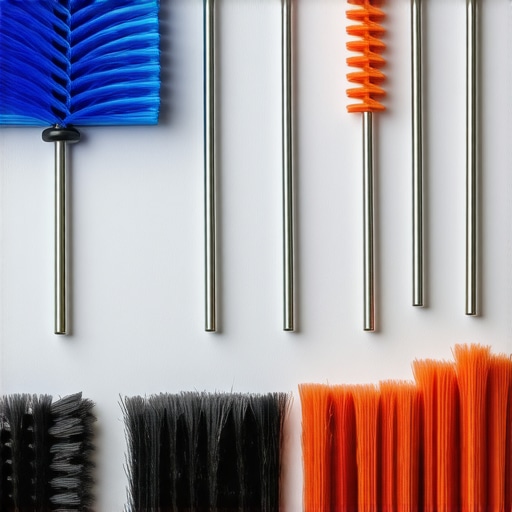
Employ a long, stiff brush or a specialized dryer vent cleaning kit. I used a DIY kit from the hardware store, which included a flexible rod and microfiber brush. Slide the brush deep into the duct, rotating it to snag lint deposits. Be thorough — lint can hide far inside. Completing this step often cut my drying time by nearly 20% and reduced energy bills.
Clear Out External Vent Blockages
Head outside to check the vent cap. Remove any bird nests, leaves, or debris that might obstruct airflow. Sometimes, critters or dirt accumulate, causing the vent to function poorly. Personally, I found a big bird’s nest blocking my vent cap, which was a quick fix once removed. Improved vent clearance means more efficient drying—similar to clearing a clogged chimney for better smoke flow.
Reconnect Everything and Test
Once clean, reattach the duct and double-check all connections are secure. Turn on the gas supply and the dryer, then run a test cycle to ensure proper airflow and no gas leaks. I always listen for unusual hissing sounds or leaks. Properly maintaining your vent not only speeds up drying but ensures safety, preventing potential fire hazards.
Schedule Regular Maintenance
Make vent cleaning a routine every 1 to 2 years. If your laundry volume is high, consider quarterly cleanings. I set reminders based on my laundry frequency, which keeps my dryer performing at peak efficiency. For more advanced insights on smart solutions, check out smart dryer tips. Regular upkeep minimizes fire risks and saves energy, translating into cost savings over time.
Many households operate under the assumption that all dryers perform similarly or that choosing between models is a matter of brand or cost. However, as an expert in laundry appliance efficiency, I recognize nuanced pitfalls many consumers overlook, especially concerning heat pump, gas, and smart dryers. A prevalent myth is that energy-efficient dryers like heat pump models always slow down drying times, but in reality, the technology’s proper use and understanding can optimize both speed and savings.
Are modern dryers truly capable of rapid drying without sacrificing energy efficiency?
While many believe that switching to eco-friendly dryers means a longer cycle, advances in smart sensor technology now enable faster, energy-smart drying. Overlooking these features can lead users to believe that efficiency means slow drying, which is not necessarily true. For instance, premium smart dryers adapt drying times based on load weight, moisture levels, and fabric type, synergizing speed with savings. According to a study by the International Energy Agency, smart sensors significantly reduce energy consumption by precisely controlling drying cycles, contradicting the outdated myth of a trade-off between speed and efficiency.
Another common oversight is underestimating the maintenance nuances that keep dryers functioning optimally. Many users neglect regular lint and vent cleaning, assuming it’s only about energy efficiency. But this oversight risks system malfunctions and even potential fire hazards. For example, a clogged vent can cause the dryer to overwork, lowering its effective drying speed and increasing energy use, thereby negating eco-friendly benefits. Moreover, misinterpreting the actual capabilities of different dryer types can lead to costly choices. Many look solely at upfront costs and ignore long-term operational efficiencies. Gas dryers, for example, tend to dry faster due to higher heat levels and are more energy-efficient in the long run, especially when paired with proper venting practices. To master efficiency, consumers should consider models that incorporate intelligent features, such as those highlighted in [top smart gas dryers](https://dryers.smartappliancereview.com/top-smart-gas-dryers-for-rapid-eco-friendly-laundry-2024), which can detect load moisture and adjust cycles accordingly.
For the advanced user, understanding humidity control becomes critical. Some might assume humidity sensors only prevent over-drying; however, precise humidity measurement can adapt cycles not just for conservation, but also for fabric health. This prevents over-drying that damages clothes and speeds up future dry cycles, creating a perpetually optimized laundry routine. Don’t forget that external factors like venting quality and environmental humidity influence these technologies’ effectiveness. Proper venting, as detailed in guides on [venting your gas dryer safely](https://dryers.smartappliancereview.com/how-to-vent-your-gas-dryer-safely-5-rules-for-2026-homes), remains crucial to harnessing these advanced features fully.
Are you aware of the advanced sensor-driven features in smart dryers, or are you still operating with outdated assumptions? Recognize that selecting the right technology, maintaining your system diligently, and understanding hidden nuances can dramatically enhance your laundry experience. Reach out in the comments if you’ve ever fallen into this trap or want to share your own insights on mastering dryer efficiency!
Invest in Professional-Grade Cleaning Equipment for Long-Term Performance
One of the most effective ways I ensure my dryer remains efficient over the years is by using a high-quality, flexible dryer vent cleaning brush. I personally swear by the vent cleaning kits from brands like Brushtech, which include durable, stiff-bristled rods that easily navigate long or complex duct runs. These tools allow me to dislodge stubborn lint buildup that can cause slow drying and fire hazards, without the need for professional intervention. Regular use of such equipment not only prolongs the lifespan of your appliance but also optimizes energy consumption.
Automate Maintenance Checks with Smart Technology
Another game-changing method I recommend is integrating smart monitoring solutions. Devices like the WiFi-enabled lint traps or vent sensors can provide real-time alerts when lint accumulation exceeds safe thresholds. These sensors communicate with your smartphone via dedicated apps, reminding you to perform vent cleaning before performance degrades. As smart appliance technology advances, I predict an increasing number of dryers will feature built-in diagnostics and predictive maintenance capabilities, reducing manual oversight and preventing costly breakdowns.
Predictive Software for Optimized Drying Cycles
Utilizing smart dryer tips, such as those outlined in this comprehensive guide, I program my machine to adapt drying settings based on load size, fabric type, and humidity sensor data. This approach minimizes wear and tear, conserves energy, and reduces drying times. The future of laundry maintenance lies in sophisticated algorithms that learn your habits, optimizing performance without manual input—making long-term maintenance effortless.
Keep Your Equipment Clean and Well-Adjusted
Regularly inspecting and cleaning critical components, like the dryer’s moisture sensors and vent caps, is essential. Over time, lint or dust can obscure sensors, leading to over-drying or increased energy use. I schedule biannual inspections and calibrate sensors following manufacturer guidelines. A simple technique is to clean moisture sensors gently with a soft cloth and isopropyl alcohol, ensuring accurate moisture detection. Clean vent caps and ducts are equally vital; as highlighted in this article, proper venting enhances airflow and reduces fire risks.
Embrace Future Innovations: The Next Level of Dryer Maintenance
Looking ahead, I see ultrasonic lint detection and AI-powered diagnostic systems revolutionizing dryer maintenance. These innovations will enable real-time lint detection beyond human reach, informing users precisely where and when cleaning is needed. Additionally, integrating dryer health metrics with home automation systems could allow remote maintenance scheduling, ensuring your laundry setup stays in peak condition without manual effort.
How do I keep my dryer working at peak efficiency over time? One practical tip is to incorporate a smart sensor system that alerts you to lint buildup before it affects performance.
By investing in specialized cleaning tools, leveraging smart technology, and maintaining key components regularly, you can extend your dryer’s lifespan, improve safety, and save on energy bills. Try implementing one of these advanced tips today—like installing a vent sensor—to experience immediate benefits. As technology continues to evolve, staying ahead with proactive maintenance will ensure your laundry routine remains smooth and cost-effective for years to come.
** :
:
What I Wish I Knew About Heat Pump and Gas Dryers Unveiled My Best Tips
Early on, I underestimated how vital proper venting and regular maintenance are for heat pump and gas dryers. It was a lightbulb moment when I discovered that even the most advanced models can slow down or develop issues if neglected—small habits with big impacts.
For example, I used to think I could skip routine vent cleaning because my dryer was relatively new. That mistake cost me extra energy bills and longer drying cycles. Now, I know that consistent upkeep, like clearing lint from sensors and external vents, unlocks the true efficiency of smart dryers and helps prevent costly repairs down the line.
Another insight I wish I had embraced sooner is the importance of understanding your dryer’s sensor technology. Smart features like moisture and humidity sensors can save loads of time and energy, but only if you keep these components clean and calibrated. Dive into innovative solutions such as smart dryer tips to harness these benefits effectively.
Lastly, integrating regular diagnostics with modern appliances has been a game-changer. Installing smart sensors and reminders ensures I stay ahead of potential problems, avoiding emergency repairs. Trust me—these simple preventative steps keep your laundry day hassle-free and your appliance running at peak performance.

Leave a Reply