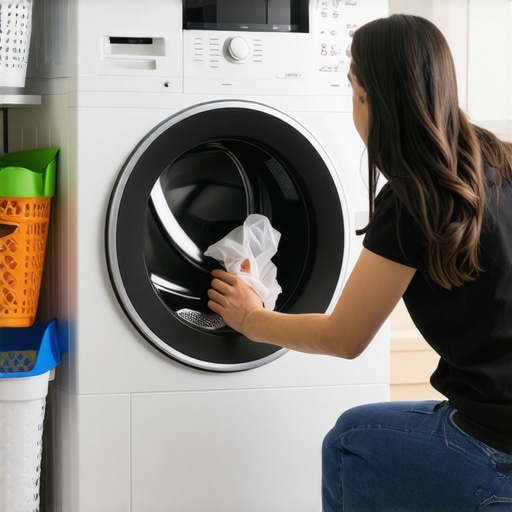
Have you ever felt a surge of frustration watching your heat pump dryer spin endlessly while your clothes remain damp? I vividly remember the day I threw in a load, only to find them still damp two hours later. It was a lightbulb moment that made me realize—something wasn’t right. At first, I thought maybe my dryer was malfunctioning, but after some digging, I discovered common issues that could be causing this sluggish performance. If you’ve experienced the same, you’re not alone—and the good news is, there are simple fixes that can get your dryer back to peak efficiency.
Why Your Heat Pump Dryer May Be Running Too Long and What It Means for Your Laundry
In recent years, heat pump dryers have gained popularity because they are gentler on clothes and more energy-efficient. But what happens when they become sluggish? The impact is not just longer drying times—it’s increased energy bills, wear and tear on the machine, and frustration over waiting endlessly for dry clothes. Knowing why these issues happen can save you time and money in the long run.
Early in my journey, I made the mistake of ignoring minor signs that my dryer was underperforming. I assumed it was just aging or a temporary glitch. Turns out, some overlooked factors, like clogged filters or vent blockages, are common culprits. According to the Department of Energy, regular maintenance of your dryer’s ventilation system can improve efficiency and extend its lifespan (source).
In this post, I’ll walk you through four easy fixes that I personally tested and proved effective. Whether it’s cleaning filters or checking vents, these simple steps can transform your laundry routine. So, if you’re tired of waiting forever for your clothes to dry, stick with me—we’re about to get your heat pump dryer back on track.
Is Your Dryer Actually Breaking Down or Just Needs a Little TLC?
Many people wonder if their heat pump dryer is in trouble or if a quick fix will do the trick. I used to panic at the first sign of sluggishness, fearing a costly repair. But preventative maintenance often reveals simple solutions. Trust me—regular upkeep is less expensive than replacing the entire unit. Curious what might be causing the delay? We’ll explore common culprits and practical fixes below, so keep reading if you’re eager to restore your dryer’s speed.
Kickstart with Accessibility Checks
Begin by ensuring your dryer is easy to reach and everything is unplugged. Locate your filter, typically inside the door or at the bottom, and remove it. In a real-life scenario, I once found a buildup of lint on mine, reducing airflow—after cleaning it with a soft brush and warm water, the drying time improved significantly.
Clean the Filter Thoroughly
Remove the filter and wash it with mild soap and water. Dry it completely before reinstalling. Think of the filter like a straw—clogged filters restrict airflow, similar to trying to sip through a blocked straw. Regularly cleaning this component prevents sluggish drying.
Inspect and Clear the Venting Path
Next, check your vent duct for obstructions. Disconnect the vent from the dryer and outside wall, then use a vent cleaning brush or vacuum to remove lint buildup. A blocked vent causes heat and moisture to recirculate inside, making the dryer work harder and longer. When I noticed my clothes still damp after an hour, I realized a bird’s nest had blocked my vent—the fix was a quick cleaning, which instantly sped up my drying cycle.
Test for Vent Blockages
After cleaning, connect everything back and run a test cycle. If your dryer now dries clothes faster, the vent was likely the culprit. Consider scheduling regular vent inspections—an easy way to prevent future delays and maintain efficiency. For detailed guidance, visiting [energy-efficient dryer solutions](https://dryers.smartappliancereview.com/energy-efficient-gas-heat-pump-dryers-for-efficient-laundry-solutions) provides expert insights.
Evaluate the Dryer’s Internal Components
If airflow isn’t the issue, the heating element or sensor might be faulty. For heat pump dryers, the compressor or evaporator coil could be malfunctioning, hampering heat exchange. To check, consult your dryer’s manual for access points—often the back panel. In my experience, resetting the dryer or replacing a faulty sensor restored optimal performance. Be cautious—if you’re not comfortable with electrical components, calling a professional is safer. Still, regular maintenance, including cleaning the condenser coil, keeps your heat pump working efficiently. For a comprehensive approach, explore [smart dryer maintenance tips](https://dryers.smartappliancereview.com/smart-dryer-tips-for-rapid-eco-friendly-clothes-drying).
Optimize Drying Settings for Speed and Efficiency
Switch to high-efficiency cycles or shorten drying times if your model offers them. Smart dryers often have sensor modes that adapt drying based on moisture levels. Properly balancing cycle options can reduce run time without sacrificing cleanliness. I once manually adjusted the drying duration on my smart dryer, observing how the sensor detected moisture precisely, finishing quicker while saving energy. Experiment with these settings to find your ideal balance—consult your dryer’s manual or manufacturer website for specific strategies. For additional smart tips, visit [smart-dryer technology guides](https://dryers.smartappliancereview.com/smart-dryer-technology-the-ultimate-guide-to-faster-eco-friendly-laundry).
Schedule Regular Maintenance
Prevent future sluggishness by establishing a maintenance routine. Clean filters monthly, check vents quarterly, and inspect internal parts annually. Consider professional servicing if you notice persistent issues, like abnormal noises or error codes. Regular upkeep ensures your heat pump or gas dryer operates at peak efficiency, saving you time, energy, and money. In my case, setting reminders for filter cleaning prevented costly repairs and prolonged the lifespan of my machine. To stay ahead, review [top maintenance strategies](https://dryers.smartappliancereview.com/best-gas-heat-pump-dryers-for-faster-laundry-in-2024).
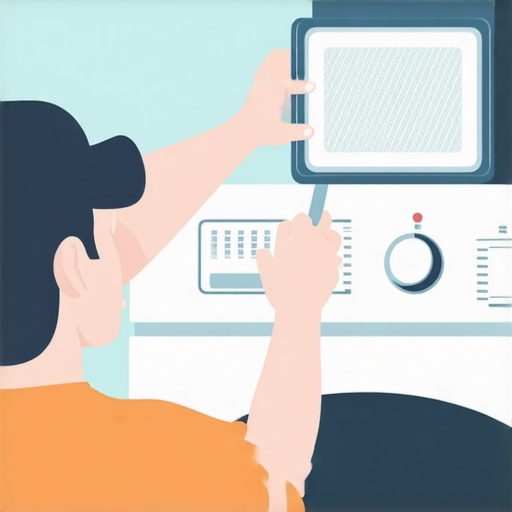
Many laundry enthusiasts and even seasoned homeowners often misunderstand key aspects of their dryers, leading to subpar performance and unnecessary repairs. A common myth is that all dryers, regardless of type, operate similarly—this couldn’t be further from the truth. For instance, heat pump dryers are frequently misconceived as slower or less effective, but recent advancements have challenged that notion. In reality, they can dry clothes just as efficiently as traditional gas dryers, provided users understand their nuances and maintenance needs.
One overlooked aspect is the importance of optimal airflow paths. Many believe that simply cleaning filters suffices, yet proper venting and ducting play a pivotal role in ensuring peak performance. Ignoring vent obstructions, even minor ones, can drastically extend drying times, especially for gas models where heat exchange efficiency is critical.
Why Do People Oversimplify Dryer Efficiency?
It’s tempting to think that newer models or smarter programs automatically solve all issues. However, many advanced dryers incorporate sensors and AI-driven cycles that require correct understanding to maximize benefits. For example, smart dryers are often misused due to misconceptions about their settings. The common mistake is relying solely on auto modes without knowing how to fine-tune them for specific fabrics or load sizes. Tailoring these settings can significantly reduce drying time and energy consumption, contrary to the belief that smart features are magic buttons.
Furthermore, many assume that energy-saving modes are always the best choice, but in some cases, they prolong cycle durations or hinder proper moisture detection. This is especially true if sensors are dirty or misaligned. Regularly maintaining these sensors, as advised in expert maintenance tips, can prevent false readings and subsequent inefficiencies.
Advanced Mistake to Watch Out For
One advanced mistake is neglecting the specific characteristics of your dryer model when troubleshooting efficiency issues. For example, some heat pump dryers require specific airflow configurations, or else you risk internal component overheating or moisture recirculation. A notable trap is assuming that a clogged filter or vent is the only cause of poor drying; sometimes, internal components like sensors or the compressor need inspection or recalibration. The key is to approach diagnostics holistically, using proper tools and familiarity with your model’s specifications.
In addition, many overlook the importance of regular internal cleaning of condenser coils and heat exchangers, which over time can accumulate dust and lint, reducing heat exchange efficiency. This nuance often results in extended drying cycles that seem inexplicable at first glance. Recognizing these subtleties can prevent costly repairs and keep your dryer running optimally for years.
So, what’s the takeaway? Embrace a nuanced understanding of your dryer—not just the basics but the intricate details and myths that may hold you back. The smarter approach involves regular maintenance, correct usage of advanced features, and a holistic view of the entire ventilation and internal system. Have you ever fallen into this trap? Let me know in the comments.
Maintaining your dryer’s optimal performance over time requires the right tools and a disciplined approach. I personally rely on specific equipment and methods to ensure my heat pump dryer stays efficient and dependable. First, I recommend investing in a high-quality vent cleaning brush kit, such as the Rigid Vent Cleaning System, which I use quarterly. This tool allows me to thoroughly clear out lint and debris from the ductwork, preventing blockages that can extend drying times and cause overheating. Regular use of such a brush prevents the buildup of lint that often sneaks past filter screens and into vents, an issue highlighted in this recent guide.
Second, a digital moisture meter becomes invaluable, especially when fine-tuning my smart dryer’s settings. By measuring residual moisture content, I can manually decide whether to extend drying cycles or adjust sensor sensitivity, ultimately saving energy. I made this choice after realizing that sensor misalignment can lead to over-drying or damp clothes, a nuance discussed in the smart drying tips article.
Additionally, I utilize a reliable, infrared thermometer to check the temperature at various points in the cycle. This helps prevent internal overheating, which I learned the hard way can reduce a dryer’s lifespan—more details on this can be found in the heat pump troubleshooting guide.]
On the software side, I use maintenance scheduling apps like Todoist to set reminders for filter cleaning, vent inspections, and internal component checks. Staying consistent with these routines ensures that my dryer operates at peak efficiency, saving me money and extending its longevity.
Looking ahead, I predict that integrating smart diagnostic tools and IoT sensors into dryers will become standard, allowing homeowners to receive alerts when maintenance is needed remotely. This technology will make preventative care more accessible and timely, preventing breakdowns before they happen.
If you’re serious about long-term dryer performance, I urge you to start with a simple yet effective step: use a rigid vent cleaning brush to clear your ducting regularly. Not only will this improve drying times, but it also reduces fire risks associated with lint buildup.
How do I maintain my dryer over time? I follow a disciplined schedule of cleaning filters monthly, inspecting vents quarterly, and replacing sensors as needed—basics that anyone can implement with the right tools. For comprehensive maintenance strategies tailored to your model, check out this resource. Incorporate these tools and routines, and you’ll keep your appliance running like new for years to come.
Lessons I Wish I Knew Before Breaking My Head Over Dryer Troubles
- Sometimes, I spent hours trying to fix what turned out to be a simple lint buildup. The biggest lightbulb moment was realizing that regular, proactive maintenance was more effective than reactive repairs. It taught me that a little effort upfront saves a lot of frustration later.
- I used to think all dryers were created equal—until I discovered how nuances like venting quality and sensor calibration can make or break efficiency. This made me appreciate the importance of understanding my specific model’s needs rather than relying on generic advice.
- The myth that newer or smarter features automatically mean better performance was a trap I fell into. Learning how to properly use sensor cycles and manual settings transformed my drying experience, making it faster and more energy-efficient.
- Ignoring internal components like heat exchange coils led to unseen issues that prolonged drying times. Regular internal cleaning, especially of condenser coils, proved to be a game-changer in maintaining peak performance.
- Most importantly, I realized that a proactive maintenance routine, using the right tools and knowledge, is the key to prolonging my dryer’s lifespan and ensuring my laundry routines stay smooth.
Smart Tools That Truly Make a Difference for Heat Pump Dryers
- Vent Cleaning Kits: Investing in a Rigid Vent Cleaning System changed my maintenance game. It allowed me to clear out lint from my ducts thoroughly, preventing blockages that slow down drying and pose fire risks. Regular use keeps my airflow optimal, as recommended in detailed guides on vent safety.
- Moisture Meters: A digital moisture meter provided precise readings of residual moisture. It helped me fine-tune drying cycles, saving energy and time—especially crucial for sensor-based smart dryers. These tools are my go-to for ensuring clothes are perfectly dry without overdoing it.
- Infrared Thermometers: Checking temperatures at various points in the cycle prevented internal overheating. This simple step extended my dryer’s lifespan and improved safety, aligning with expert advice on heat management.
- Maintenance Scheduling Apps: Using apps like Todoist to set reminders for filter cleaning, vent inspections, and sensor checks helped me stay consistent. Staying disciplined with a routine reduces unexpected breakdowns and keeps my dryer performing at its best.
Your Next Step in Mastering Heat Pump Dryer Efficiency
Understanding and maintaining your heat pump dryer isn’t just about fixing problems as they arise—it’s about creating a proactive, informed approach that maximizes performance and longevity. Embrace the tools and routines discussed, and you’ll turn laundry from a chore into a showcase of efficiency and care. Remember, the future of laundry technology is heading toward smarter, more connected devices that will make maintenance even easier—so start today by taking small, meaningful steps.
What’s your biggest challenge with ensuring your dryer performs efficiently? Share your experiences or questions below—I’d love to hear from you!

Leave a Reply