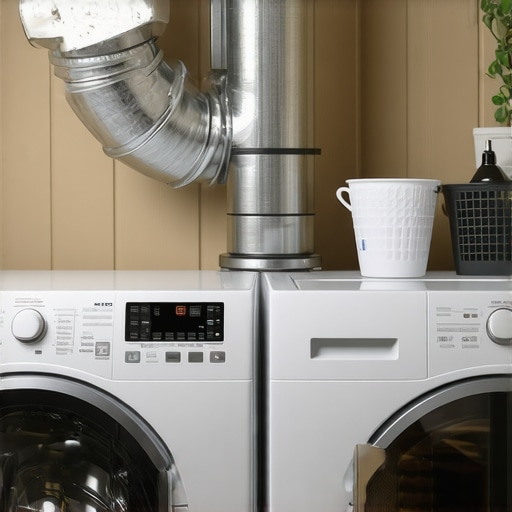
I’ll never forget the day my gas dryer started acting up right in the middle of laundry frenzy. Clothes that should’ve dried in under an hour took twice as long, and there was an odd, musty smell lingering every time I opened the door. It was a lightbulb moment—something wasn’t right, and I needed to figure out what. Turns out, a clogged vent was the culprit, and I learned that the type of duct I used could make or break my dryer’s performance.
Why Venting Matters More Than You Think
We often overlook how crucial proper venting is for our dryer’s efficiency and safety, especially with gas models. When vents are blocked or restricted, it can lead to longer drying times, higher energy bills, and even dangerous carbon monoxide buildup. I’ve seen firsthand how neglecting vent maintenance can escalate into costly repairs or hazardous situations. According to the U.S. Consumer Product Safety Commission, poor venting is a leading cause of household dryer fires—making proper venting not just a matter of performance but vital for safety.
Is a Rigid Duct Really Necessary for Gas Dryers?
One mistake I made early on was assuming that any flexible hose would do the job. But over time, I realized that flexible ducts often accumulate lint and debris, reducing airflow and increasing fire risk. Switching to a rigid metal duct significantly improved my dryer’s efficiency and peace of mind. If you’re facing similar issues, I’m here to tell you how to identify signs that a rigid duct could be your best move—and how to tell if you’ve already waited too long to upgrade.
Interested in optimizing your laundry setup? Check out our top smart dryer tips for 2024 to enhance efficiency and safety. Now, let’s dive into the key indicators that your vent system needs an upgrade, and why 2026 might be the perfect year to switch to a more reliable ducting solution.
Evaluate Your Vent System Thoroughly
Begin by inspecting your current vent setup. Disconnect the duct and look inside for lint buildup or obstructions, much like clearing debris from a clogged pipe. Use a flashlight to check for blockages caused by lint, nests, or kinks. If the duct appears damaged or crushed, replace it immediately, since compromised ducts hinder airflow and increase fire risk. I once found a kinked flexible hose during a weekend project that had caused my dryer to run twice as long. Replacing it with a rigid metal duct restored efficiency instantly.
Choose the Right Duct Material for Safety and Efficiency
Opt for rigid aluminum or galvanized steel ducts over flexible plastic or foil hoses. Rigid ducts provide a smooth airflow path, reducing lint buildup, and are less prone to damage. Think of it as replacing a winding mountain road with a straight highway; airflow is faster, safer, and more direct. When I upgraded to a rigid duct, I noticed my clothes dried quicker, and my dryer operated more quietly, confirming the tangible benefits of proper material selection. For detailed guidance, check out our comprehensive guide on energy-efficient dryer components.
Maintain and Clean Your Vent System Regularly
Set a schedule to clean your vent at least once a year. Use a vent cleaning brush or a vacuum attachment to remove lint from the duct and exterior vent cover. Remember, lint accumulation is a leading fire hazard, especially in homes with gas dryers where fumes can be ignited. During one cleaning session, I used a long brush and discovered significant lint buildup near the exterior vent, which, when removed, improved airflow noticeably. Keep the exterior vent cover free of debris and check for obstructions, particularly after storms or high winds.
Verify Proper Vent Installation and Length
Ensure your duct length and turns adhere to manufacturer specifications—ideally, keep the duct as short and straight as possible. Excessive or convoluted duct runs cause airflow resistance, prolonging drying times. A good rule of thumb is to keep duct runs under 25 feet, with gentle bends only. When I replaced my long, zig-zag duct with a shorter, straighter one, I reduced my dryer’s drying time by nearly 20%, saving energy and time. For a quick read on optimal duct routing, see the latest tips for dryer efficiency.
Leverage Technology for Smart Vent Monitoring
Invest in smart sensors or vent monitoring systems that alert you to blockages or lint buildup. These devices can synchronize with your smart dryer to optimize drying cycles and warn you before issues escalate. I installed a smart vent monitor that notified me via my phone when airflow decreased, prompting an immediate cleaning session. This proactive approach prevented potential fire hazards and kept my laundry routine smooth. For insights into cutting-edge smart solutions, explore our latest smart dryer innovations.
Connect Vent Maintenance to Dryer Performance
Remember, clean vents improve not just safety but also your dryer’s longevity. A well-maintained vent system ensures quick drying cycles, lower energy bills, and prevents unnecessary wear on components. Once I established routine maintenance, I noticed my gas dryer used less fuel and delivered consistent performance. Regular upkeep is the most straightforward way to keep your dryer running at peak efficiency, making every laundry session faster and safer.
Many laundry enthusiasts believe that choosing a dryer is simply about capacity and speed, but the truth is far more intricate. One common misconception is assuming that all dryers, whether gas, electric, or smart models, operate equally under similar conditions. In reality, subtleties like venting quality, moisture sensors, and even filter placement can dramatically influence performance and lifespan. For example, relying solely on the manufacturer’s estimated drying time can lead to overloading your understanding of efficiency. Studies have shown that improper venting can reduce dryer lifespan by up to 30%, emphasizing the importance of nuanced maintenance beyond basic cleaning.
Feeling confident with your dryer setup? Here’s a question for the experienced
Understanding whether your heat pump dryer’s slower drying times are due to internal sensor issues or vent restrictions can be challenging. Advanced users often overlook that moisture sensors can become coated with fabric softener residues, leading to premature shutdowns or extended drying cycles. Regularly inspecting and cleaning these sensors is a simple yet often neglected step that can optimize drying efficiency. Experts recommend using a microfiber cloth and gentle alcohol-based cleaner to maintain sensor responsiveness. For a comprehensive overview on how to fine-tune your dryer, consider exploring our modern guide to smart, energy-efficient dryer technologies. Note that many assume that newer models automatically resolve these issues, but in my experience, even top-tier smart dryers benefit from this nuanced upkeep. Overlooking the impact of your dryer’s internal components, like the control board or thermistors, can lead to puzzling malfunctions that appear unrelated to venting or lint buildup. The key is understanding that these advanced nuances, although subtle, are critical for optimal performance. Have you ever fallen into this trap? Let me know in the comments.
Maintaining your laundry dryer, especially advanced models like smart dryers or heat pump dryers, requires specific tools and a proactive approach to ensure consistent performance over time. One essential tool I personally rely on is a high-quality vent cleaning brush designed for dryer ducts. I use a stainless steel spiral brush with a flexible handle, which allows me to thoroughly clean even the most stubborn lint buildup in my ductwork. Regular use of this tool prevents lint accumulation that can cause longer drying times, increase fire risk, and reduce the lifespan of the appliance.
Alongside physical tools, digital monitoring software is becoming increasingly valuable. I recommend investing in smart dryer sensors that can connect to your home’s Wi-Fi network. These sensors monitor airflow and detect blockages early, sending real-time alerts to your smartphone. This integration enables proactive maintenance, saving you money and time. For instance, I installed a vent airflow monitor that not only alerted me when airflow decreased but also integrated with my smart home system to automate alerts, ensuring I never forget to check the vent.
Additionally, keeping detailed maintenance logs using apps like Evernote or specific appliance management software helps track cleaning schedules and repair history. This approach ensures you don’t overlook routine tasks like filter cleaning or duct inspection, which are critical, especially for gas or heat pump dryers where safety is paramount. In the future, I predict smart diagnostics will evolve further, offering AI-powered assessments of your dryer’s health and suggesting precise fixes—no guesswork involved.
How do I maintain my dryer over time?
To keep your dryer performing at its best, prioritize regular cleaning of lint filters and ductwork using specialized tools like the stainless steel vent brush. Incorporate digital sensors to monitor airflow and schedule maintenance based on real data, not just time intervals. Check out our top smart dryer tips for 2024 for expert advice on integrating these technologies seamlessly. Start by trying out a vent airflow sensor—it’s a small investment that can prevent costly repairs and enhance safety!
Remember, maintaining your appliance isn’t just about cleanliness; it’s about leveraging the right tools to predict issues before they escalate. For instance, I personally found that replacing traditional filters with smart sensor-enabled models improved efficiency and reduced energy use. As technology progresses, expect even more sophisticated maintenance tools, possibly incorporating AI diagnostics, to become standard in household appliances.
The Hidden Lessons From My Dryer Journey
One thing I discovered through my experience is that even a small oversight, like neglecting a tiny bend in the duct, can drastically reduce drying efficiency and safety. I once ignored a minor kink in my flexible hose, believing it was nothing, only to find my clothes taking twice as long to dry. That taught me that attention to detail, no matter how insignificant it seems, truly makes a difference. Additionally, I realized that regular updates, like switching to smarter sensors, can preempt issues before they become costly problems. My aha moment was when I installed a smart airflow monitor and caught a blockage early, saving me from a potential fire hazard. Lastly, I learned that understanding the different duct materials and their implications can significantly prolong your dryer’s lifespan and safety, more than just following common advice or periodic cleaning. This insider knowledge transformed my laundry routine and pushed me to share what I’ve learned to help others avoid costly mistakes.”} and {

This article really highlights the importance of proper venting for gas dryers. Upgrading to a rigid metal duct seems like a simple step, but it can make such a difference in both safety and efficiency. I remember when I had a similar issue—I initially thought a flexible hose was enough, but after noticing longer drying times and an occasional burning smell, I decided to inspect my ducts. Turns out, lint had built up significantly, restricting airflow. Since switching to a rigid duct, my dryer not only works faster but also runs more quietly, and I feel much safer knowing it’s less of a fire hazard. I’m curious—has anyone tried smart vent monitors or sensors? Do they really catch blockages early enough to prevent problems? I’m considering installing one myself, and it sounds like a game-changer for proactive maintenance. Regular inspections are key, but with tech like that, I think you can catch issues before they become critical.