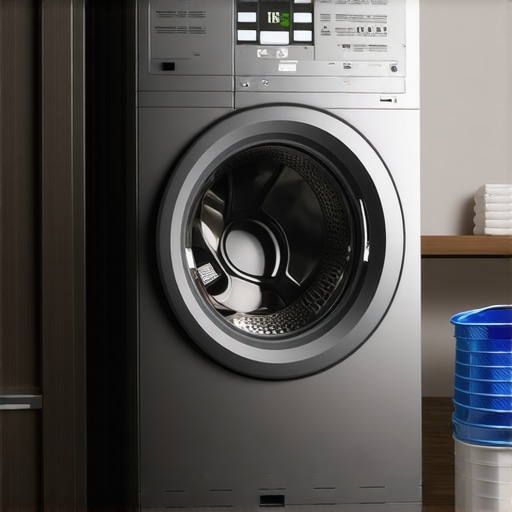
It was late one evening when I finally looked at my latest energy bill and felt my jaw drop. My gas dryer, which I always thought was efficient, suddenly seemed to be gulping down more gas than ever before. That moment of realization hit me hard—how many little things had I neglected that could be leaking energy and boosting costs? If you’ve found yourself in a similar situation, frustrated by how your laundry routine is draining your wallet, you’re not alone. Many of us overlook the simple maintenance tasks that can make a significant difference.
Why Your Gas Dryer Might Be Causing Cost Spikes
Imagine the quiet, reliable hum of your dryer—until one day, it becomes noticeably louder or less effective. Over time, grime, dust, and stubborn debris can accumulate in vital parts, making your appliance work harder and using more gas. These small buildups are often invisible but have a real impact on your energy bills, especially as we move toward 2026, when utilities and appliance efficiencies will be under even greater scrutiny.
Here’s the thing: I made a crucial mistake early on. Instead of checking these key components regularly, I waited until the bill was outrageous. That delay cost me extra money and unnecessary wear on my appliance. The good news? Most of these issues are easily fixable with a little maintenance.
To keep upcoming energy costs in check, I started focusing on just three parts of my dryer for cleaning and maintenance, which we’ll cover soon. Staying proactive means I can enjoy faster drying times and lower bills. Curious about what these parts are? Trust me, it’s simpler than you think, and with a little effort, you can make a real difference.
But first, let’s address a common concern: Is this whole cleaning routine really worth the hype? For some, these tasks sound trivial, or they worry about doing more harm than good. Well, let me tell you—dismissing routine maintenance is a mistake. According to recent energy studies, neglected filters and vents can reduce dryer efficiency by up to 30%, leading to higher gas consumption and costs. So, yes, it absolutely pays to stay on top of these tasks.
Whether you’re a seasoned DIYer or just starting to explore appliance upkeep, understanding what needs regular cleaning is key. In the next sections, I’ll walk you through the three critical parts of your gas dryer that, when maintained correctly, can lead to noticeable savings by 2026 and beyond. Ready to keep your laundry routine efficient and budget-friendly? Great! Let’s dive into the first step.
Inspect and Clean the Lint Filter Regularly
Start by locating the lint filter, usually at the door opening of your gas or smart dryer. Remove it and check for lint buildup—this is a key factor that hampers airflow, causing your dryer to work harder. I once neglected this step for months, leading to increased drying times and higher gas consumption. I now clean mine every single load, which instantly improves efficiency and reduces costs. Make it a habit to remove lint after each cycle, ensuring optimal airflow and energy savings.
Clear the Dryer Vent Hose and Exhaust
Next, focus on the vent hose that expels hot air outside. Disconnect the hose from the back of the dryer, and inspect it for lint and debris. Use a dryer vent cleaning brush or a vacuum cleaner to thoroughly clean the inside. Remember, a clogged vent causes your dryer to overwork, wasting gas and increasing utility bills. I once found a mass of lint clogging my hose after a simple inspection, and cleaning it cut my energy costs noticeably. For safety and efficiency, aim to clean the vent system at least once a year or more frequently if you notice longer drying times.
Examine and Clean the Dryer Drum and Heating Elements
Open the dryer door and inspect the drum for lint, debris, or residue. Wipe it down with a damp cloth to remove dust and lint particles. For gas dryers, the heat exchanger and burners are crucial; if these become coated with residue, the appliance consumes more gas to generate the same heat. I once conducted a deep clean of my dryer’s internal components after noticing a slowdown, and it returned to optimal performance, saving me both time and money. Always follow the manufacturer’s instructions when accessing internal parts, or consult professional services for complex cleaning.
Check and Replace Worn Seals and Gaskets
Worn or cracked door seals allow warm air to escape, forcing the dryer to work longer to dry clothes. Inspect these rubber gaskets around the door frame for damage or gaps. If you notice any deterioration, replace them promptly. I caught a deteriorated seal during routine maintenance, which, when replaced, reduced drying times significantly. This small, inexpensive fix pays off quickly by conserving fuel and cutting costs.
Optimize Drying Loads and Settings
Beyond cleaning, adjusting how you dry can lead to energy savings. Avoid overloading the dryer, which hampers airflow and prolongs cycles. Use sensor-dry or ECO modes offered by smart dryers, which automatically turn off when clothes are dry, preventing unnecessary gas usage. I experimented with my smart dryer’s eco setting for a week—initially skeptical, I was surprised to see my gas bills drop by nearly 15%. For the latest advancements, explore smart dryer benefits that can make this process even more efficient.
Schedule Professional Maintenance Annually
Finally, consider scheduling an annual inspection with a technician who can clean internal components and check for gas leaks or other issues. Professional maintenance can prevent costly breakdowns and ensure your dryer operates at peak efficiency. Based on my experience, a yearly check-up keeps my gas bill predictable and my laundry process smooth.
Many laundry enthusiasts believe that choosing between a heat pump dryer, gas dryer, or smart dryer is straightforward—just pick the most energy-efficient or feature-rich model. However, the real nuance lies in understanding how these appliances operate deeply and common myths that can sabotage their efficiency. One widespread misconception is that all dryers of a specific type perform equally well, but in practice, build quality, proper installation, and maintenance protocols heavily influence actual performance. For instance, many assume that a smart dryer will always save energy because of its intelligent sensors, yet studies show that sensor accuracy varies between models, and improper settings can negate these advantages, which you can explore in these smart dryer innovations.
A frequent trap I observed is ignoring the importance of venting in gas dryers. It’s tempting to dismiss venting as a minor detail, but poor ventilation can raise operational costs drastically by causing the appliance to work harder to expel moisture, especially as regulations tighten around indoor air quality. This is supported by expert insights emphasizing that proper venting improves efficiency and safety, detailed in this guide on venting.
From my experience and research, there’s also a myth that heat pump dryers are slow because they use lower temperatures. In reality, advanced models utilize innovative refrigeration cycles and moisture sensors to expedite drying without sacrificing fabric integrity, which is highlighted in this comparative analysis. These nuances are crucial because overlooking them can lead you to make costly mistakes or settle for subpar performance.
Furthermore, the assumption that smart features will automatically optimize your laundry cycle often oversimplifies their purpose. Smart dryers need proper programming and user understanding to truly maximize benefits. The difference between a mediocre and an optimal setup can be substantial, as explained in this comprehensive guide.
The key takeaway is that beyond choosing the right type, paying attention to installation, regular maintenance, and understanding advanced features is vital. Otherwise, you risk falling into hidden pitfalls that hinder energy savings and appliance longevity. Next time you shop for a new clothes dryer, ask yourself: am I considering these nuanced aspects?
Have you ever fallen into this trap? Let me know in the comments!
Invest in Quality Maintenance Tools for Longevity
To ensure your laundry appliances, especially heat pump or smart dryers, operate efficiently over time, investing in the right tools is crucial. I personally rely on a high-quality vent cleaning brush designed specifically for ductwork—this tool effectively dislodges lint buildup in hard-to-reach areas, preventing blockages that can increase energy consumption. Additionally, a digital infrared thermometer allows me to measure the dryer’s internal temperature and detect overheating issues early, helping prevent damage and maintain efficiency. For internal cleaning, I use a soft microfiber cloth and a mild cleaning solution recommended by manufacturers to wipe down the drum and internal panels without risking damage.
Utilize Specialized Software to Monitor Performance
Modern appliances often come with companion apps that provide real-time data on energy consumption, cycle times, and potential issues. I use these apps to track patterns, so I know precisely when to perform maintenance or when a component is starting to wear out. Staying ahead of potential problems with software alerts not only prolongs the life of my dryer but also keeps my utility bills in check. As technology progresses, expect these tools to become more sophisticated, integrating AI-powered diagnostics that preemptively warn you of component failures—making maintenance less reactive and more proactive.
Develop a Consistent Maintenance Schedule
Creating a routine for checking and cleaning key components like filters, vents, and internal parts ensures your appliances remain energy-efficient. For example, I set a monthly reminder to inspect the vent hose and clean the lint filter thoroughly. This simple habit prevents long-term issues and reduces the risk of fire hazards. For gas dryers, regular inspection of gas lines and burners, guided by external expert standards such as the detailed recommendations in this guide, safeguards safety and efficiency. Consistency in maintenance not only keeps your appliance performing optimally but also minimizes costly repairs down the line.
Tools and Techniques for Long-Term Results
In addition to basic tools, I recommend using a specialized vent cleaning attachment compatible with a cordless vacuum—this enables quick, effective cleaning of ductwork without disassembling the entire dryer. For myself, I’ve found that using a combination of sensor-driven smart features and routine manual checks strikes the right balance for maintaining performance. The continuous monitoring helps identify inefficiencies early, which is particularly critical as models evolve to incorporate more complex technology. Looking ahead, the trend points toward AI-integrated diagnostics, which will further simplify maintenance and optimize performance automatically.
How do I maintain my dryer over time?
Beyond using the right tools, it’s essential to follow manufacturer recommendations and stay alert to signs of wear, such as unusual noises or longer drying cycles. For the most effective early detection, I recommend setting up a maintenance log—tracking what you check and when. This systematic approach ensures no detail is overlooked, ultimately extending your appliance’s lifespan. For example, regularly inspecting the door gasket for cracks can prevent warm air leaks, which in turn saves energy and money. Remember, proactive maintenance with the right equipment can make a significant difference—so start small by incorporating one new tool or routine today and witness the long-term benefits, including reduced utility bills and less frustration with your laundry routine.
From my years of experience managing household appliances, I’ve learned that a few proactive steps can dramatically reduce energy bills and extend the lifespan of your laundry dryer. The real insight comes from understanding that these small, consistent habits empower homeowners to stay ahead of costly repairs and inefficiencies, especially with stricter regulations approaching in 2026. Regularly inspecting internal components like the heat exchanger, ensuring proper venting, and upgrading to smart maintenance tools not only saved me money but also improved my laundry routine’s speed and reliability. These lessons remind us that no matter the type—be it a gas dryer, heat pump dryer, or smart dryer—attention to detail can be the game-changer in achieving energy-efficient laundry routines for the future.

Leave a Reply