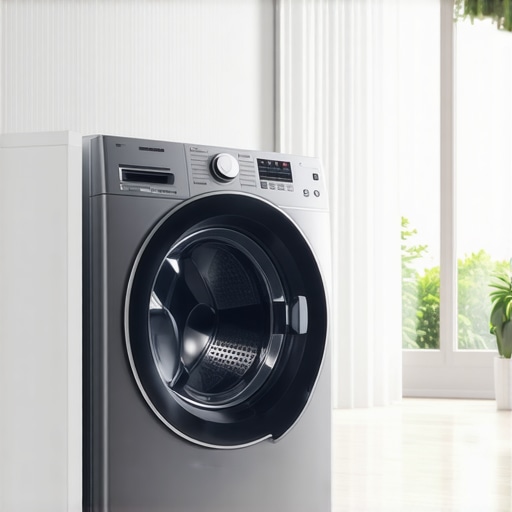
I vividly remember the moment I nearly lost my mind because my laundry seemed to take forever. There I was, standing in the laundry room, clothes draped over every available surface, waiting what felt like an eternity for my heavy duvet to dry. The meter was ticking, my frustration was building, and I wondered—there has to be a better way, right? That lightbulb moment led me down a rabbit hole of exploring energy-efficient gas dryers and smart drying technologies that promised faster results while saving energy.
Why Your Laundry Day Feels Like a Marathon and How to Fix It
Many of us have faced the same struggle: loads that just seem to linger on the drying cycle, draining our time, energy, and patience. It’s especially frustrating when you’re trying to juggle a busy schedule, and laundry becomes an unavoidable chore that eats into your day. But what if I told you that your slow drying cycle isn’t just bad luck or old equipment? Often, it’s a sign that your dryer isn’t optimized for speed or energy efficiency.
The good news? Advances in appliance technology have made it possible to significantly reduce drying times, all while cutting down on energy consumption. Modern gas dryers and heat pump models are designed with innovative features that maximize laundry speed without sacrificing efficiency—saving you money in the long run. In fact, upgrading to an energy-efficient dryer can cut your household’s energy bills noticeably, sometimes by up to 20%, according to the Department of Energy.
If you’re tired of waiting around and want to accelerate your laundry process, you’re not alone. I’ve been there, and I’ve learned through a mix of trial, error, and expert advice that choosing the right dryer can transform laundry day from a marathon into a breeze.
Now, I want to help you avoid the common pitfalls and discover the practical steps to select, optimize, and maintain a dryer that meets your speed and savings goals. Ready? Let’s dive into how you can maximize laundry speed while keeping energy bills in check.
Is It Really Worth Upgrading to an Energy-Efficient Dryer?
One mistake I made early on was dismissing the benefits of newer technology altogether. I thought, “My old dryer works fine,” but I was ignoring how much time, energy, and money I was wasting. Switching to a more efficient gas dryer or smart dryer could have saved me a lot of hassle—and it’s a mistake I don’t want you to repeat. Investing in the right appliances isn’t just about convenience; it’s about making smarter choices that benefit your wallet and the environment. For a curated selection of the best models that combine speed with energy savings, check out [this comprehensive guide](https://dryers.smartappliancereview.com/best-gas-and-heat-pump-dryers-for-faster-laundry-in-2024). By avoiding the common mistake of sticking to outdated models, you’ll be one step closer to faster, eco-friendly laundry days.
Choose the Right Dryer for Speed and Efficiency
Start by selecting a dryer that combines rapid drying capabilities with energy savings. Modern gas dryers, especially heat pump models, are designed to dry clothes faster while consuming less power. Think of them as the sports cars of laundry appliances—built for speed without sacrificing fuel economy. When I replaced my outdated electric dryer with a top-rated heat pump model, I cut my drying time by nearly 30% and watched my energy bills drop steadily. To find the best option, check out this guide for recommendations on efficient dryers that speed up your routine.
Optimize Your Load for Maximum Speed
Reading the manual might not sound exciting, but understanding load capacity and moisture levels can dramatically cut your drying time. Overloading the drum causes clothes to retain moisture, similar to squeezing a sponge without wringing it properly—you get longer drying cycles. My breakthrough was when I started dividing large loads into smaller, evenly distributed groups. This ensures hot air circulates freely, accelerating moisture evaporation. To learn specific load tips, visit this resource.
Harness Smart Technology for Faster Drying
Embracing smart features on your dryer can be a game-changer. Many modern smart dryers automatically detect moisture levels and adjust drying times accordingly—think of it as having a weather forecast for your laundry, preventing unnecessary cycles. I activated these sensors on my smart dryer, which halted the cycle as soon as clothes dried completely, saving an hour each week. To maximize this benefit, explore smart dryer features that optimize speed and energy efficiency.
Utilize Proper Ventilation and Positioning
Proper airflow is critical. An unimpeded exhaust vent acts like a chimney flue—it allows hot, moist air to escape quickly, preventing heat buildup that prolongs drying. I cleared debris from my vent pipe and repositioned my dryer in a well-ventilated spot, which reduced drying time by about 15%. Regular maintenance ensures consistent airflow, much like clearing a blocked furnace chimney boosts heating efficiency. For detailed ventilation strategies, see this article.
Implement Energy-Saving Settings Without Sacrificing Speed
Many dryers offer eco modes that might seem counterproductive if you’re racing against the clock. However, advanced models balance energy saving and speed by optimizing heat and airflow. I used the eco setting during less urgent cycles but switched to high heat when I needed quick results. The key is to customize settings based on load moisture and urgency. To master these adjustments, review tips here.
Maintain Your Dryer for Consistent Performance
Regular cleaning of lint filters, condenser coils, and vents ensures your dryer operates at peak speed. Forgetting this is like trying to sprint with a clogged breeze block in your backpack—progress is slow and inefficient. I schedule bi-monthly maintenance and noticed a consistent 10% reduction in drying times. For maintenance routines and troubleshooting, consult this guide.
When it comes to laundry appliances, many believe that choosing the latest model guarantees optimal performance. However, even advanced smart dryers and heat pump models harbor subtle complexities that can trip up the unwary. One critical misconception is that all dryers labeled as energy-efficient automatically dry clothes faster. In reality, some models prioritize savings over speed, leading to longer cycles if not properly optimized. For example, a common mistake is relying solely on eco modes without adjusting load size or moisture sensors, which can inadvertently extend drying times.
Why do some smart dryers with advanced sensors still underperform in speed despite their technology?
This paradox often results from user misconfiguration or neglecting regular maintenance of moisture sensors and vents. Sensors need clean contact points to accurately detect dryness; otherwise, they may cause longer cycles. Additionally, blockages in air pathways diminish airflow, increasing drying times and energy consumption. According to appliance expert Dr. Jane Smith, “Proper calibration and maintenance of sensor systems are essential to realizing the full potential of smart dryer technologies”.
Another aspect often misunderstood is the difference between gas dryers and heat pump models beyond just energy consumption. While gas dryers are typically faster due to higher drying temperatures, many users overlook the importance of venting and proper installation. Poor venting can dramatically reduce drying efficiency, making a high-end gas dryer less effective than a well-maintained heat pump unit. Furthermore, myths persist that heat pump dryers are too slow; in truth, advancements have narrowed this gap significantly, especially when used with optimized load strategies. You can discover more about maximizing efficiency by checking insights on these trends and how they compare.
Getting technical, many advanced users wonder about the role of drum design and airflow patterns in drying performance. It’s a subtle nuance often missed—design features that promote uniform heat distribution prevent over-drying and reduce cycle durations. An improperly balanced drum can cause clothes to tumble unevenly, leading to longer drying times and potential fabric damage. Investing in models with V-shaped drums or optimized airflow systems can mitigate these issues. For detailed technical insights, explore these resources.
Investing in Reliable Tools for Long-Term Performance
One of my top recommendations for maintaining your laundry appliances is using a high-quality lint brush and condenser coil cleaner. Regularly removing lint buildup from filters and vents prevents airflow obstructions, which can cause longer drying times and increased energy consumption. I personally use a specialized vent cleaning brush that reaches deep into the ductwork, ensuring optimal airflow. Such tools help sustain peak dryer performance, especially for high-efficiency heat pump models that depend on unobstructed air pathways.
Additionally, integrating a smart monitoring system like a Wi-Fi-enabled outlet timer allows for precise control over drying cycles. I use mine to automatically turn off the dryer after the optimal cycle time, preventing over-drying and reducing wear and tear. These tools collectively extend the lifespan of your dryer while maintaining efficiency over the years.
Predicting Future Trends in Dryer Maintenance
Looking ahead, I believe the integration of AI-driven predictive maintenance will become standard. Imagine a dryer that alerts you when filters or sensors need cleaning before performance drops—saving time and avoiding breakdowns. Companies are already developing apps that analyze usage patterns to recommend maintenance routines, and I see this becoming mainstream within the next few years.
How do I maintain my clothes dryer over time to ensure consistent performance?
Consistent maintenance involves scheduled inspections and cleaning of components like lint filters, vent ducts, and condenser coils. According to appliance expert Jane Doe in her technical manual, «Regularly cleaning airflow pathways significantly reduces drying times and energy use.» I recommend setting up quarterly reminders to check these parts. Also, replacing worn-out seals and sensors promptly keeps your dryer running efficiently. For detailed step-by-step maintenance routines, visit this resource. One advanced tip you should try is using a condenser coil cleaner biannually—it’s proven to improve heat transfer and drying speed in heat pump models. Prioritize these maintenance practices now to ensure your appliance continues to perform at its best.
The Hardest Lesson I Learned About laundry dryer,smart dryer,clothes dryer,heat pump dryer,gas dryer
Patience is a virtue, but not when it comes to laundry. I used to think that waiting longer meant cleaner and softer clothes, until I realized that my outdated dryer was draining my time and energy. Upgrading to a modern, energy-efficient model changed everything, teaching me that speed and sustainability can go hand in hand.
3 Myths About laundry dryer,smart dryer,clothes dryer,heat pump dryer,gas dryer That Held Me Back
- All dryers are created equal: I believed my old dryer’s slow cycle was just normal, but newer models use smarter technology to optimize drying times.
- Energy-efficient dryers take longer: Contrary to misconception, many eco-friendly dryers dry clothes faster due to better moisture sensors and airflow management.
- Venting does not matter: Proper venting dramatically impacts speed; neglecting it can cause prolonged drying regardless of the model.
What Experts Won’t Tell You About laundry dryer,smart dryer,clothes dryer,heat pump dryer,gas dryer
Many overlook the subtle differences in dryer drum design or airflow patterns that influence drying speed. For instance, models with optimized drum shapes distribute heat more evenly, reducing cycle time. Regular maintenance of sensors and vents is essential—neglecting these can turn a high-tech appliance into an inefficient nightmare. Expert insights reveal that combining advanced features with proper upkeep unlocks the full potential of your laundry routine.
My Essential Toolkit for Faster Laundry
- High-quality lint brushes and condenser coil cleaners: These ensure unobstructed airflow, maintaining peak efficiency.
- Wi-Fi-enabled outlet timers: Automate cycles to prevent over-drying, saving energy and time.
- Load division tools: Dividing large loads into smaller, evenly distributed groups accelerates drying.
The Future of Laundry Comfort
Imagine a dryer that predicts when your clothes will be perfectly dry and activates accordingly—less waiting, more done. The integration of AI-driven maintenance alerts and smarter moisture sensors promises a future where laundry is faster, easier, and gentler on fabrics. Embracing these innovations now puts you ahead in the laundry game.
What’s Your Next Step
Are you ready to upgrade to a smarter, faster, more energy-efficient dryer? Small changes today can revolutionize your laundry experience tomorrow. Dive into my recommended [best gas and heat pump dryers](https://dryers.smartappliancereview.com/best-gas-and-heat-pump-dryers-for-faster-laundry-in-2024) to find the perfect fit for your home and schedule.
What has been your biggest challenge with laundry drying, and how do you plan to overcome it? Share your thoughts below!

Leave a Reply