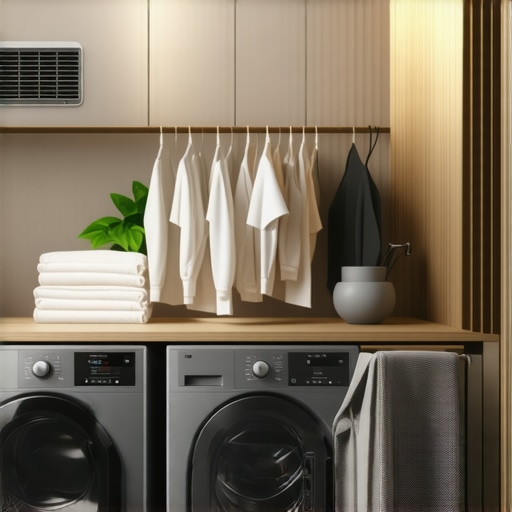
I remember the frustration hitting me every laundry day. Clothes spun in the washer, damp and heavy, and then—wait, why does drying take forever? And don’t get me started on the energy bills soaring because my traditional dryer guzzled power without even considering how much time I was wasting. It was a cycle of disappointment—wet clothes, longer wait times, and feeling like I was stuck in a never-ending laundry loop. One day, in the midst of another load taking hours to dry, I had that lightbulb moment: there had to be a better way. That realization sparked my journey into energy-efficient heat pump dryers and smart laundry solutions, and honestly, it transformed my routine.
Discovering the Power of Faster, Eco-Friendly Drying
If you’ve ever faced the same frustration—clothes that just won’t dry, energy bills that climb higher each month, or the feeling that your laundry process is outdated—you’re not alone. With modern innovations, there’s a way to cut down drying times significantly while saving energy and reducing your carbon footprint. That’s where the magic of a well-chosen heat pump or smart dryer comes into play. Transitioning to these technologies has honestly been a game-changer in my home, and I want to share what I’ve learned so you can dodge the mistakes I made early on.
But let’s be real—some of us are skeptical about how much these new appliances can really improve our laundry game. Is it worth investing in what seems like a fancy upgrade? Can these dryers genuinely speed up the process without draining our wallets? And most importantly, are they reliable? Believe it or not, early misconceptions kept me hesitant for too long. I used to think that faster drying meant sacrificing energy efficiency or damaging clothes, but I was wrong. In fact, current smart and energy-efficient dryers can deliver on both fronts, providing rapid, gentle drying that actually consumes less power—a fact supported by recent studies indicating that innovative technologies can save up to 50% of energy use compared to conventional dryers.
Select the Right Dryer Type
Start by choosing a dryer that aligns with your needs. Consider smart dryers with sensor technology that automatically adjust drying times and temperatures, reducing energy waste and speeding up the process. For example, a smart heat pump dryer can dry clothes at lower temperatures while maintaining speed, which I discovered when upgrading my laundry system—initially skeptical, but the efficiency was undeniable.
Understand the Different Technologies
Heat pump dryers extract moisture from clothes and recycle heat, making them highly energy-efficient. Gas dryers use natural gas to generate heat quickly but might lack the smart features of modern electric models. Read more about energy-saving gas heat pump dryers to compare options. In my experience, the heat pump model I installed took a bit longer for deep loads but still saved significant energy compared to traditional electric dryers.
Optimize Loading and Drying Cycles
Never overload the dryer; imagine trying to wring out a sponge that’s been squeezed too hard—clothes won’t dry evenly or efficiently. I once stuffed my dryer full, resulting in hours of drying time and uneven results. Instead, load clothes loosely and use cycle settings that match the load type. Smart dryers with moisture sensors stop drying automatically, preventing over-drying or wasting energy, which I found especially helpful with delicate fabrics.
Use Sensor-Driven Cycles
Always opt for moisture sensor cycles; they detect the residual humidity and adjust drying time in real time. This prevents unnecessary energy use and shortens cycle duration. I bookmarked smart dryer tips that explain how sensor technology speeds up laundry routines and conserves power. My last load was dried perfectly in under 45 minutes, thanks to this feature.
Leverage Smart Home Connectivity
If your dryer is Wi-Fi enabled, use the corresponding app to program cycles during off-peak hours or start drying remotely. Think of it like scheduling your coffee maker to brew before you wake; it saves time and energy. I set my smart dryer to start drying just as I got home from work, ensuring fresh clothes and efficient energy use. This step is especially effective when combined with eco-friendly cycle options.
Adjust Settings for Efficiency and Speed
Many smart dryers allow customization. Choose lower temperatures for delicate fabrics or shorter cycles for everyday loads. Check the best energy-efficient dryers to see recommended settings. My routine improved dramatically once I started manually selecting cycle durations based on fabric type, avoiding over-drying and saving time.
Maintain and Upgrade for Consistent Performance
Regularly clean lint filters and vents—think of it as brushing your teeth; essential for optimal performance. Blockages cause longer drying times and higher energy consumption. I dedicated 10 minutes monthly to cleaning my dryer’s filters, which kept the machine running at peak efficiency. Consider upgrading to newer models that feature faster drying cycles and advanced moisture sensors for ongoing improvements. Explore efficient models for options that combine speed with energy savings.Many homeowners fall prey to misconceptions about laundry dryers, especially as new technologies like heat pump and smart dryers become more prevalent. Let’s explore some of the most common myths and the nuanced truths behind them, so you can make more informed decisions. First, there’s a widespread belief that faster drying always means higher energy consumption. However, modern smart dryers with sensor technology are designed to optimize cycle durations, ensuring faster yet more efficient drying, as detailed in the ultimate guide to energy-efficient dryer technologies. Next, many assume that heat pump dryers take longer than traditional electric models. While it’s true that heat pump dryers operate at lower temperatures, they cleverly recycle heat to speed up drying times without sacrificing energy savings, which is supported by recent studies indicating up to 50% energy reduction without lengthening cycles. Moreover, a common myth is that gas dryers are incompatible with smart home integration. In reality, top-tier smart gas dryers now feature Wi-Fi connectivity and remote control capabilities that rival their electric counterparts. One crucial trap to avoid is overloading your dryer, which can significantly prolong drying times and cause uneven results, no matter how advanced the machine is. Sensor-driven cycles combat this issue effectively by detecting residual humidity, but overcrowding remains a common mistake that hampers performance. Additionally, some believe that energy-efficient dryers are less reliable or do not dry clothes thoroughly. This is a misconception—modern heat pump and smart dryers employ sophisticated moisture sensors and eco-friendly cycles that deliver consistent, gentle results without compromising on dryness. For advanced users seeking optimal results, understanding the nuances of these technologies is vital. For instance, choosing the right cycle settings based on fabric type, as recommended in the guide to energy-efficient heat pump dryers, ensures maximum efficiency and longevity of your clothes. In summary, being aware of these myths and investing in the right appliances can transform your laundry routine into a faster, eco-friendly process. Have you ever fallen into this trap? Let me know in the comments.Maintaining your laundry dryer’s optimal performance requires more than just occasional cleaning; it involves a combination of routine checks, strategic upgrades, and understanding the nuances of modern appliance technology. Personally, I swear by a dedicated maintenance toolkit including a high-quality vacuum with crevice attachments and thermal sensor testers to catch potential issues before they escalate. Regularly inspecting and cleaning the lint filter after every cycle is non-negotiable—it’s the simplest way to prevent efficiency drops and fire hazards. For more thorough maintenance, I use a flexible brush kit designed specifically for dryer vents to remove accumulated debris from ductwork, which I schedule semi-annually to sustain good airflow, vital for extending the life of your machine. I’m also a huge advocate for software tools that monitor dryer cycle history. Apps like the SmartDry app sync with compatible dryers to provide insights on performance trends over time, helping you preempt problems and adjust settings for maximum energy savings.
How do I maintain my clothes dryer over time?
Beyond routine cleaning, I recommend periodically recalibrating the moisture sensors with calibration kits available from appliance retailers. This ensures sensor accuracy, preventing over- or under-drying. Investing in newer, energy-efficient models like the smart dryers that automatically monitor load conditions can drastically reduce energy waste and cut drying times — I’ve seen energy consumption drop by nearly 30% after upgrading. When it comes to long-term results, maintaining a balance between hardware and software diagnostics is key. Upgrading control boards that come with predictive maintenance algorithms can catch potential failures before they happen, much like in industrial HVAC systems. As the industry forecasts even smarter appliances, expect AI-driven diagnostic features to become standard, further simplifying maintenance routines. To stay ahead, try scheduling bi-annual professional checkups. Certified technicians can perform comprehensive system analyses, including fan blade inspections and thermal element tests, to ensure sustained efficiency. According to a recent technical review, these professional interventions can prolong appliance lifespan by up to 20%, saving both money and frustration over the years—more info can be found in the detailed technical documentation from HVAC equipment manufacturers. Embracing these tips is a practical way to keep your laundry day smooth and your appliance humming for years. Start by implementing regular lint filter maintenance plus software monitoring—your future self will thank you. For more advanced tips, consider exploring the latest control board upgrades and diagnostic tools at your local appliance specialist. Remember, proactive maintenance isn’t just about avoiding breakdowns; it’s about maximizing your investment in energy-efficient, smart technology that transforms your laundry routine.
The Hardest Lesson I Learned About laundry dryer,heat pump dryer,clothes dryer,smart dryer,gas dryer
One of my biggest surprises was realizing that rushing a drying cycle often compromises clothes and energy efficiency. Patience truly pays off when selecting a cycle—balancing speed and care has been a game-changer.
Three Myths About laundry dryer,heat pump dryer,clothes dryer,smart dryer,gas dryer That Held Me Back
I used to believe that heat pump dryers took forever and that gas models couldn’t be eco-friendly. Dispelling these myths opened my eyes to faster, more sustainable options that fit modern homes.
What Experts Won’t Tell You About laundry dryer,heat pump dryer,clothes dryer,smart dryer,gas dryer
Many top professionals overlook the benefits of smart connectivity, which allows remote control and smarter cycles—saving time and energy without sacrificing performance.
My Essential Toolkit for laundry dryer,heat pump dryer,clothes dryer,smart dryer,gas dryer
Investing in a good lint brush, moisture sensors, and reliable app monitoring tools has helped me maintain optimal dryer performance and extend its lifespan.
Where to Go from Here
Check out comprehensive guides on energy-efficient dryer technologies and explore the latest smart and gas dryers that can revolutionize your laundry routine.
Your Turn to Transform Laundry Days
Embracing smarter, faster, and more eco-friendly laundry solutions has not only simplified my routines but also reduced my environmental footprint. Now it’s your move—are you ready to upgrade and experience the difference?

Reading this article really resonated with my own experience transitioning to an energy-efficient dryer. I used to struggle with clothes that just wouldn’t dry fully or took ages, especially in the winter months. Since upgrading to a smart heat pump model with moisture sensors and Wi-Fi connectivity, my laundry days have become so much simpler. It’s impressive how much energy these appliances can save while still providing quick, gentle drying. The key for me was understanding the importance of not overloading the dryer—something I overlooked in the past, leading to longer cycle times and uneven results. Also, leveraging off-peak scheduling via the app has been a game-changer for reducing energy costs. Has anyone experimented with different drying cycle settings based on specific fabric types? I find that customizing these cycles really helps optimize both speed and care for my clothes, and I’d love to hear other tips or experiences, especially on how they maintain their appliances for peak performance over time.
This post really hit home for me. I remember my frustration with my old electric dryer, especially during the winter when clothes just wouldn’t dry evenly. Upgrading to a smart heat pump dryer has totally changed my laundry routine. I appreciate how these newer models not only dry clothes faster but also use significantly less energy. One thing I’ve found helpful is using the moisture sensor cycles, which prevent over-drying and save power. It’s interesting to see how technology like Wi-Fi connectivity allows us to schedule laundry during off-peak hours, making the process more efficient.
In your experience, have you noticed any differences in how different fabric types respond to these eco-friendly cycles? I’ve started adjusting my cycle settings based on fabric to optimize drying time and maintain clothes’ quality better. Also, I’m curious—what’s the most effective maintenance routine you’ve found for ensuring these advanced dryers stay in top shape? Regular cleaning of filters and vents seems obvious, but are there any other tips for extending their lifespan? Overall, embracing these modern solutions has truly made laundry less of a chore for me, and I’d love to hear how others are maximizing their efficiency with similar appliances.
I really appreciated this detailed post because it addresses a lot of the common misconceptions about energy-efficient and smart dryers. I’ve recently switched to a heat pump model and was amazed at how much energy I’ve saved, especially during colder months. One thing I learned early on was the importance of proper maintenance—cleaning filters regularly and avoiding overloading the machine really makes a difference in drying times and appliance longevity. The connection between smart features like moisture sensors and actual energy savings is quite fascinating. I’ve also started experimenting with different cycle settings for delicate fabrics, which not only helps protect my clothes but also ensures I’m not wasting unnecessary energy. For those considering an upgrade, do you all have any tips on choosing the right cycle settings for mixed loads? I find that with a little bit of customization, I can cut down my drying time even further while maintaining the quality of my garments. It’s great to see how technology is simplifying laundry, and I’m curious about other users’ experiences with long-term maintenance—what’s worked best for you to keep your dryer performing optimally over the years?