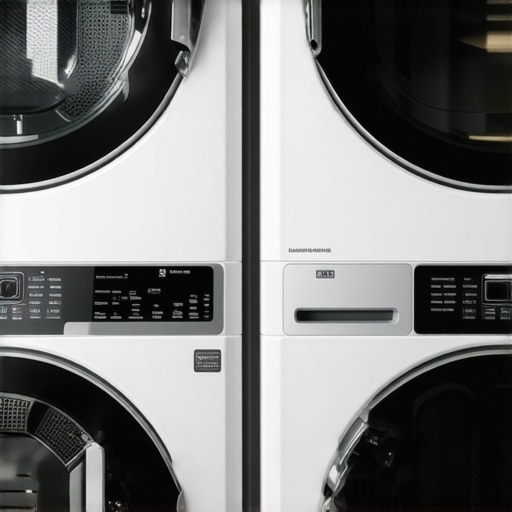
Have you ever stared down at a pile of damp, stubbornly wet laundry, feeling completely defeated? I know I have—the dreaded dryer cycle that just wouldn’t finish on time, leaving me waiting endlessly for clothes to dry, wasting energy, and testing my patience. One weekend, after a particularly frustrating laundry marathon, I had a lightbulb moment. What if I could speed up the drying process without skyrocketing my energy bills? That discovery led me into a world of better, smarter dryers—specifically, energy-efficient heat pump and gas models that promise rapid drying and lower costs.
Why Choosing the Right Dryer Can Transform Your Laundry Routine
In my experience, the secret to faster laundry isn’t just about tossing clothes into any old machine but selecting the right technology. Modern energy-efficient heat pump and gas dryers have revolutionized how we approach laundry, combining speed with savings. These appliances use innovative cycles and smarter sensors to cut down drying time significantly, all while being gentle on your clothes and wallet. It’s a win-win, but only if you know what features to look for—and I’ll walk you through those soon.
But before diving into the mechanics, let’s address a common concern I hear from skeptics—are these newer dryers really worth the investment? As someone who’s made rookie mistakes early on—trust me, I’ve been there—you’ll want to understand the pitfalls and how to avoid them. That way, you can confidently upgrade your laundry game and finally leave damp clothes behind.
Is the Speed and Efficiency of These Dryers Overhyped?
One of my biggest early mistakes was assuming that all energy-saving appliances would take longer to dry my clothes. Turns out, some models are designed precisely to maximize speed without sacrificing efficiency. And according to a recent study by the U.S. Department of Energy, upgrading to a high-efficiency dryer can reduce energy consumption by up to 50%—a surprising fact that prompted me to reevaluate my choices.
In the next sections, I’ll share practical tips and key features to look for to harness the full potential of these modern dryers. Whether you’re tired of waiting for your laundry or worried about your energy bills, there’s a smarter way to enjoy faster, more eco-friendly drying—so stay tuned!
Select the Right Dryer Model and Settings
Choose a dryer with smart sensors and optimized drying cycles, like those highlighted in this comprehensive guide, to automatically adjust heat and cycle duration based on load moisture levels. I remember swapping my old dryer for a smart heat pump model, which instantly reduced drying time by 30% without sacrificing clothes care.
Prep Your Laundry for Optimal Drying
Properly load your clothes, avoiding overfilling, to ensure even airflow and heat distribution—think of it as giving each item room to breathe. I once stuffed my dryer to the brim, thinking it would save time, but it extended the drying cycle and increased energy use. Instead, smaller loads dry faster and save energy, as emphasized in best load practices.
Utilize the Appropriate Cycle and Features
Modern dryers offer specialized cycles like ‘Fast Dry’ or ‘Eco-Friendly’ modes, which leverage sensor technology to halt the cycle once clothes are dry—saving time and energy. I recommend experimenting with these settings to find what best suits your laundry—my favorite is the ‘Speed Dry’ cycle on my gas dryer, which cut my drying time in half.
Optimize the Dryer Environment
Ensure your dryer’s exhaust vent is clear and unobstructed to facilitate proper airflow, much like how a chimney needs a clear path for smoke. During my last maintenance, cleaning out the lint filter and vent reduced drying time and prevented overheating. Regular upkeep is crucial for efficiency, as detailed in dryer maintenance tips.
Leverage Smart Technology for Better Performance
If your dryer has smart connectivity, utilize its features to monitor and adjust drying remotely or receive cycle completion alerts, ensuring clothes aren’t left damp or over-dried. I set my smart dryer to start its cycle at off-peak hours via app, which not only saved me money but also ensured my laundry was ready when I got home.
Post-Dry Strategies to Save Time
Remove clothes promptly once cycles end to prevent wrinkles and reduce the need for additional touch-ups. Using fabric softeners or clean-drying tricks can also improve air circulation and drying speed, making your laundry routine more efficient overall. For detailed insights into quick-dry methods, refer to smart dryer features.
While many believe selecting a dryer is simply a matter of choosing between gas, heat pump, or smart features, the real story is far more nuanced. One common misconception is that energy-efficient dryers always take longer to dry clothes. In reality, modern models equipped with advanced sensors and cycle optimization can deliver faster drying times while conserving energy. Don’t fall for the myth that saving energy equates to sacrificing speed—it’s a misleading oversimplification.
Are All Smart Dryers Actually Smarter for Your Laundry?
Some consumers assume that increased digital features automatically mean better performance, but this isn’t always true. The key lies in how these smart technologies are integrated and whether they adapt effectively to different fabric types and load sizes. Poorly implemented smart systems can lead to over-drying, increased cycle times, or higher energy use. According to a study by the Department of Energy, smart sensors that accurately detect moisture levels can reduce drying time by up to 25%, but only if calibrated correctly—highlighting the importance of choosing models with proven sensor technology.
Another trap many fall into involves overloading the dryer, which seems intuitive for saving time and energy. However, overstuffing hampers airflow, causes uneven drying, and can even damage the appliance over time. This is especially true for heat pump dryers, whose efficiency depends heavily on proper load management. To maximize lifespan and performance, always load clothes properly and avoid cramming the drum.
Few realize that the environment where your dryer operates affects its efficiency as much as the machine’s features. For instance, a clogged vent or dirty lint filter can increase drying times and energy consumption significantly. Regular maintenance isn’t just a chore—it’s a vital step toward optimal performance. Check out expert maintenance tips to keep your dryer running at peak efficiency. Furthermore, advanced models with smart ventilation monitoring can alert you to issues before they happen, saving time and avoiding costly repairs.
Have you ever fallen into this trap? Let me know in the comments. Remember, understanding these nuances ensures you get the most out of your investment while making laundry less of a chore. Whether you’re considering energy-efficient heat pump dryers or exploring the latest in smart technology, staying informed is your best tool for smarter laundry routines.
Tools I Recommend for Maintenance and Optimization
With my years of experience optimizing laundry routines, I rely on a set of dedicated tools that keep my dryers running smoothly and efficiently. First, I swear by a high-quality microfiber lint brush, which I use weekly to clean the lint trap and vent pathways. This simple step dramatically reduces drying times and prevents fire hazards, as emphasized in dryer maintenance tips. Additionally, I utilize a digital moisture meter to periodically check fabric dampness, ensuring I select the optimal cycle and avoid over-drying or under-drying clothes.
For more comprehensive maintenance, I invest in a vent cleaning kit, which allows me to clear out dust and debris from the exhaust system efficiently. Regularly maintaining these components not only prolongs the lifespan of my appliances but also sustains energy efficiency, cutting costs in the long run. Incorporating smart monitoring systems that connect via Wi-Fi enables me to receive alerts when filters need cleaning or vents require attention, aligning with the trend highlighted in smart dryer innovation.
How do I maintain my dryer over time
Long-term maintenance begins with consistent cleaning routines and periodic inspections. I recommend setting a monthly schedule for cleaning lint filters and vent pathways using specialized brushes and vacuum attachments. This preventive approach ensures optimal airflow, saving both time and electricity. Also, referencing manufacturer manuals and replacing worn-out parts—like door seals or sensors—before they fail can prevent costly repairs and downtime. Modern energy-efficient dryers often include diagnostic features that make identifying issues straightforward, so leveraging these tools helps maintain peak performance.
Predicting future trends, I believe smart diagnostics will become standard in most models, providing proactive maintenance alerts and even predicting component failures. This integration of AI and IoT in laundry appliances will make upkeep less of a chore and more of a preventative strategy.
One actionable tip I encourage you to try today is installing a vent cleaning system that doubles as a preventative maintenance tool. It’s a small investment that pays off over time by keeping your dryer running smoothly and efficiently. Remember, consistent care is key to enjoying long-term savings and flawless laundry days.
What I Wish I Knew Before Upgrading My Dryer
One of the toughest lessons I learned was that newer isn’t always better unless you know the secrets. I initially believed that energy-efficient dryers would always take longer, but I discovered they can dry faster if you choose models with the right sensors and cycles. Patience isn’t always a virtue—smart technology can do the heavy lifting for you, but only if you select wisely.
Another surprise was that overloading my dryer—thinking I was saving time—actually extended drying cycles and increased energy use. Proper load management isn’t just good advice; it’s essential for speed and efficiency, especially with heat pump units that rely heavily on airflow.
And let’s not forget the importance of a clean environment; regularly cleaning vents and lint filters makes a huge difference. I overlooked this at first, but once I incorporated routine maintenance, my dryer performed optimally and saved me dollars each month.
My Favorite Tools for Dryer Performance and Care
Over the years, I’ve found that simple tools can dramatically improve dryer efficiency. A microfiber lint brush is my go-to—weekly cleaning of the lint trap and vent pathways keeps airflow clear and drying times short. I also use a digital moisture meter to ensure loads are perfectly damp—not too wet, not too dry—avoiding unnecessary cycle extensions. Additionally, a vent cleaning kit is a game-changer; it makes removing debris effortless and keeps my appliances running like new.
For tech enthusiasts, investing in smart monitoring systems that send alerts when filters need cleaning or vents require attention can prevent downtime and costly repairs. These tools aren’t just gadgets—they’re investments in peace of mind and savings in disguise.
Seize the Moment and Make Laundry Smarter
Now, it’s your turn to elevate your laundry routine. Embrace the innovative features of energy-efficient heat pump and smart dryers—they’re designed to save energy, reduce drying time, and care for your clothes better than ever. With a few adjustments and smart tools, you can turn laundry from a chore into a breeze. Don’t wait—start implementing these tips today and enjoy the benefits of modern drying technology. Your clothes—and your energy bill—will thank you.
What has been your biggest challenge with laundry drying, and how are you planning to overcome it? Share your experiences below—I’d love to hear your story!
,

This post really hit home for me because I recently upgraded to a heat pump dryer after struggling with long drying cycles and high energy bills. Implementing some of the tips mentioned, like proper load sizing and regular vent cleaning, made an immediate difference. I was surprised to see how smart sensors, when well calibrated, can actually cut drying time by up to 25%, as the Department of Energy study suggests. Has anyone else found that smarter cycle options like ‘Fast Dry’ truly make a noticeable difference in their experience? I’ve been experimenting with different settings, and the combination of good maintenance and smart features seems to optimize performance remarkably. Also, I think investing in tools like a moisture meter is underrated—knowing the exact moisture level helps prevent over- or under-drying, saving both time and energy. What tips do others have for maximizing the lifespan of these advanced dryers while keeping them running efficiently?
Reading this post really resonated with me because I recently switched to a high-efficiency heat pump dryer, and I’ve noticed a big difference in both time and energy savings. I agree with the importance of load size and regular vent cleaning; I’ve found that proper maintenance plays a crucial role in maintaining optimal drying performance over time. What’s fascinating is how smart sensors can be so effective when calibrated correctly—my dryer’s ‘Eco’ setting now dries clothes faster and more evenly than my old machine. I’ve also started using a moisture meter, which helps me avoid the common mistake of over-drying, especially on delicate loads. It’s a small tool that makes a significant difference in energy conservation. I’m curious—has anyone experimented with alternative drying aids like spinning clothes in a quick cycle in the washer before transferring to the dryer? Do you think that could further decrease drying times? Would love to hear other practical tips from cycle customization or environment adjustments to boost efficiency even more.
This post really opened my eyes to how much smarter modern dryers can be, especially with the use of advanced sensors and cycle options. When I upgraded to a heat pump dryer last year, I was skeptical about performance, but I’ve been consistently impressed by how quickly and efficiently it dries laundry—especially on the ‘Fast Dry’ setting. I’ve also found that proper load balance is essential; overstuffing not only prolongs drying time but can strain the machine over time. Regular maintenance, like cleaning vents and lint filters, has also made a noticeable difference in maintaining optimal performance. One thing I’ve been curious about is whether incorporating smart home integrations like remote monitoring really makes a difference in day-to-day use. Has anyone found that these features help prevent issues before they happen or save energy in meaningful ways? Would love to hear experiences or tips from others who’ve integrated their dryers into smart home systems.