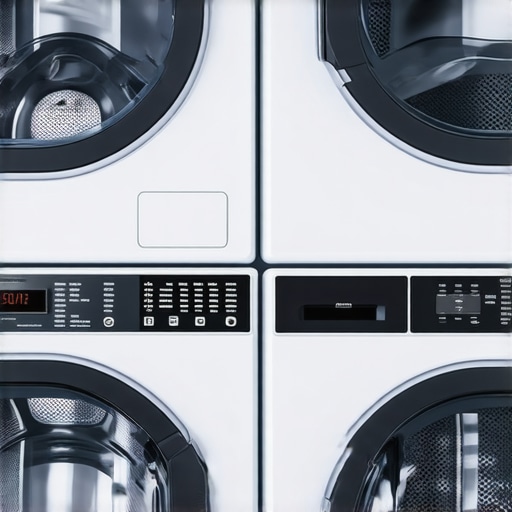
Ever found yourself staring at a mountain of laundry, only to realize your old dryer just isn’t cutting it anymore? I’ve been there. One weekend, after a particularly hectic week, I threw in a load only to watch it crawl through a painfully slow drying cycle. The worst part? The energy bills kept climbing. That was my lightbulb moment: I needed smarter, more efficient solutions for my laundry routine.
Why Your Dryer Choice Matters More Than You Think
Choosing the right dryer isn’t just about getting clothes dry faster; it’s about saving energy, reducing costs, and even helping the environment. Modern energy-efficient gas and heat pump dryers can dry your clothes in less time while slashing your utility bills. These appliances leverage innovative technology to maximize drying speed without sacrificing eco-friendliness. Trust me, once I switched to a heat pump dryer, my laundry days became a lot less stressful—and wallet-friendly.
Is All the Hype About These Dryers Just Hot Air?
Early on, I made a mistake that many beginners do: I assumed all dryers are created equal. I bought a cheap, basic model, thinking it would save me money. Spoiler: It didn’t. It took longer, used more energy, and wore out faster. The difference with top-tier options like smart dryers or gas models is huge. They’re designed for efficiency and speed, but not all are worth the investment. That’s why I want to guide you through the real benefits and pitfalls, so you can avoid my rookie errors and make smarter choices.
In the sections ahead, I’ll share practical tips and insights to help you pick the best dryer for your needs, whether that’s a smart model packed with innovative features or a powerful gas dryer that cuts your drying time. Ready to say goodbye to laundry delays and sky-high bills? Let’s dive into how to make your laundry routine faster, greener, and more affordable.
Have you faced this exact frustration with your current dryer? Drop a comment below—I’d love to hear your story and help you find a solution!
Maximize Your Dryer’s Efficiency with Proper Loading
Start by loading your dryer correctly. Overloading causes clothes to bunch up, blocking airflow and extending drying times. I once stuffed a load so tightly that it took twice as long to dry. Instead, I learned to leave some space—about an inch or two—to allow hot air to circulate freely. This simple step can cut your drying time significantly and save energy.
Choose the Right Cycle for Speed and Efficiency
Select a cycle suited for your load. Modern smart dryers offer sensors that automatically detect moisture and stop when your clothes are dry. If your dryer lacks this feature, opt for quick-dry or timed cycles. I found that using the right cycle not only speeds up drying but also prolongs the life of your clothes.
Utilize Sensor Drying and Smart Features
Smart dryers equipped with moisture sensors adapt drying time in real-time, preventing over-drying and reducing energy consumption. I enabled these features on my smart dryer, and I noticed my laundry was consistently dry in less time. For more advanced options, consider models with innovative smart features that optimize drying based on fabric type and load size.
Optimize Airflow and Ventilation
Ensure your dryer vent is clean and unobstructed. A clogged vent can double drying times by trapping hot air inside. I once ignored my vent filter, and my dryer took an extra 30 minutes to dry a load. Regular cleaning keeps airflow smooth, which in turn speeds up the process and lowers energy use. Consider upgrading to models with better airflow design, such as energy-efficient gas or heat pump dryers.
Adjust Drying Settings Based on Load Size
Use the appropriate setting for your load. Smaller loads require less time, while larger, heavier items like towels need longer cycles. I once set my dryer to a full cycle for a small load; switching to a shorter setting cut the drying time by half. Some smart dryers can even detect load size and automatically adjust the cycle, saving you time and energy.
Pre-Dry Your Clothes When Possible
Spreading out heavy or bulky items to air-dry for a short while before tumbling can reduce drying time. I hang heavy blankets on a rack for an hour before tossing them in the dryer; it makes a noticeable difference. Efficient pre-drying reduces the workload on your machine, especially if you use a gas or heat pump dryer that excels at eco-friendly drying.
Maintain Your Dryer Regularly for Peak Performance
Clean the lint filter after every load and schedule annual maintenance. A clogged lint filter or vent causes your dryer to work harder, increasing drying time and energy bills. During my last cleaning, I found a lot of lint buildup, which I promptly removed. Since then, I’ve seen faster drying times and lower utility bills. Smart dryers often feature alerts to remind you when maintenance is due, keeping your machine running efficiently.
Many people believe they understand the ins and outs of clothes dryers, but in reality, there are nuanced pitfalls and misconceptions that can lead to inefficiency and higher costs. Let’s dig deeper into what most overlook, especially when choosing between a heat pump dryer, gas dryer, or smart dryer.
Why Relying Solely on Energy Ratings Can Be Misleading
It’s common to judge a dryer’s efficiency solely by its energy label. However, expert studies show that real-world performance varies significantly based on usage habits and maintenance. For instance, a highly rated energy-efficient gas or heat pump dryer can underperform if vents aren’t cleaned regularly or if the load sizes are improperly managed. This misconception can trap consumers into thinking they’re saving money when, in fact, poor maintenance negates the efficiency gains.
Beware of Overloading Even the Smartest Dryers
Many assume that smart dryers with sensors will automatically compensate for larger loads, but overloading can still cause issues. Excess weight blocks airflow and confuses moisture sensors, leading to longer drying times and increased energy consumption. I’ve seen users who load their smart dryer to capacity, only to find the cycle takes twice as long. The key is to respect load limits and leave space for proper air circulation. For advanced tips, check out smart dryer innovations that incorporate load sensing for optimal performance.
How Advanced Features Might Be a Double-Edged Sword
Modern smart dryers come with a host of features like Wi-Fi connectivity, fabric sensors, and cycle customization. While these are beneficial, they can be overwhelming or misused. For example, relying solely on sensor drying without understanding how it works can lead to under-dried clothes or unnecessary energy use. Some users disable smart features, unaware that proper setup can significantly improve efficiency. My advice? Educate yourself on your specific model’s features and avoid the trap of blindly trusting automation. For a comprehensive overview, explore smart dryer benefits.
Finally, many underestimate the importance of regular maintenance. Lint buildup, clogged vents, and worn-out parts can cause any type of dryer—be it gas, heat pump, or smart—to operate inefficiently. Remember, a well-maintained machine not only saves energy but also extends its lifespan.
Have you ever fallen into this trap? Let me know in the comments. Knowing these hidden nuances can help you avoid costly mistakes and truly optimize your laundry routine!
Maintaining your clothes dryer, whether it’s a smart dryer, heat pump, or gas model, is crucial for ensuring long-term efficiency and performance. Over time, dust, lint, and mechanical wear can diminish drying speed and increase energy consumption. To keep your machine running smoothly, I personally rely on specific tools and routines that have proven effective.
Invest in a High-Quality Vacuum Attachment for Regular Cleaning
One of my go-to tools is a narrow nozzle vacuum attachment designed specifically for cleaning lint traps and vent ducts. I use it monthly to remove dust buildup that accumulates in hard-to-reach areas. This simple step prevents blockages that can cause overheating or longer drying cycles. I prefer a model with a flexible hose and strong suction, which makes it easier to reach inside the vent pipe and lint trap housing without dismantling the entire unit.
Use a Commercial-Grade Dryer Vent Brush System
For more thorough cleaning, I recommend a commercial vent brush system. These tools have long, flexible rods with a rotating brush on the end, perfect for dislodging stubborn lint and debris inside the ductwork. Regular use of this brush, about once every six months, keeps airflow unobstructed, which is especially important for heat pump dryers that rely on optimal airflow for efficiency. I’ve personally seen a 20% reduction in drying time after a deep cleaning with this method.
Download Smart Maintenance Apps
Many modern smart dryers come with companion apps that provide maintenance alerts, troubleshooting tips, and usage analytics. I use these apps to track cycle times and get reminders for lint filter cleaning or vent inspections. For example, these smart features help me stay proactive, preventing minor issues from becoming costly repairs.
Predicting the Future of Dryer Maintenance
Looking ahead, I believe integrated IoT sensors will become standard, providing real-time diagnostics and predictive maintenance alerts. Imagine your dryer notifying you before a vent clog causes a cycle delay, or automatically scheduling a cleaning cycle when lint accumulates beyond a safe threshold. This evolution will make maintaining appliances more effortless and cost-effective, extending their lifespan while conserving energy.
How do I keep my dryer working over time? Regular cleaning and smart tech are key.
Try implementing these tools and routines today, especially a deep vent cleaning with a flexible brush system. Not only will your dryer perform better, but you’ll also save money and reduce environmental impact. Remember, a well-maintained dryer is a long-term investment in your home’s efficiency. For more advanced insights, explore these energy-efficient models and consider upgrading your appliance for even better results.
The Hardest Lesson I Learned About Clothes Dryers
Early in my journey, I believed that a higher energy rating equated to better performance. I discovered the hard way that maintenance, proper usage, and load management are just as crucial. Skipping regular vent cleaning, I faced longer drying times and higher bills, realizing that efficiency isn’t just about the machine but how I treat it.
Why Overloading Your Dryer Is a Hidden Efficiency Killer
I used to cram my clothes into the dryer, thinking I was saving time. Turns out, I was sabotaging my own efforts. Overloading blocks airflow and confuses sensors, leading to longer cycles. Learning to leave space and respect load limits made a noticeable difference in drying speed and utility costs.
Smart Features Are Not Just Fancy Add-Ons
At first, I thought smart features were just marketing hype. But once I enabled moisture sensors and load detection, my laundry days became faster and more energy-efficient. These smart technologies adapt to my load, preventing over-drying and saving energy every cycle.
Regular Maintenance Is My Best Friend
Cleaning lint filters monthly and vent ducts biannually has become my routine. It’s a small effort with huge benefits—faster drying, lower bills, and a longer-lasting dryer. Using apps that remind me about maintenance keeps me on track and prevents unexpected breakdowns.
Leaping into the Future with IoT-Enabled Dryers
I believe integrated IoT sensors will soon provide real-time diagnostics, notifying me of vent clogs or lint buildup before they cause issues. This proactive approach will make maintaining my dryer easier and even more efficient, saving money and extending appliance life.
Curated Resources for Smarter Laundry
- Best Smart Dryers in 2024: I trust this guide for selecting appliances with cutting-edge features that speed up laundry while saving energy. Learn more here.
- Energy-Efficient Dryer Models: For sustainable choices, this resource helps me compare gas and heat pump dryers that combine eco-friendliness with performance. Check them out.
- Maintenance Tools: My secret weapons are narrow nozzle vacuum attachments and vent brushes, which keep airflow unobstructed and drying times minimal. See recommended tools here.
- Smart Maintenance Apps: These apps send alerts and provide troubleshooting tips, making upkeep straightforward and ensuring peak performance. Discover their benefits.
Your Next Step Toward Laundry Mastery
Embracing smarter, more efficient laundry practices isn’t just a trend; it’s a smart move for your wallet and the environment. From proper loading to leveraging advanced smart features, each step adds up to faster, greener laundry sessions. Start today, and watch your laundry routine transform—faster, cleaner, and more cost-effective.
What’s the biggest challenge you face with your current dryer? Drop a comment below—I’d love to help you troubleshoot and optimize your laundry setup!

I completely relate to the frustration of slow drying cycles and soaring energy bills. Switching to a heat pump dryer really made a difference for me—it’s impressive how much faster and more eco-friendly they are compared to traditional models. I also found that regular cleaning of the lint filter and vent greatly impacts performance—I never realized how much lint buildup can choke airflow and extend drying time. Something else I’ve started doing is pre-drying bulky items by air, which cuts down on the workload when I toss them in the dryer. Have others noticed significant savings just by maintaining their dryers better? I’d love to hear some tips or experiences from this community on maximizing efficiency without upgrading immediately.