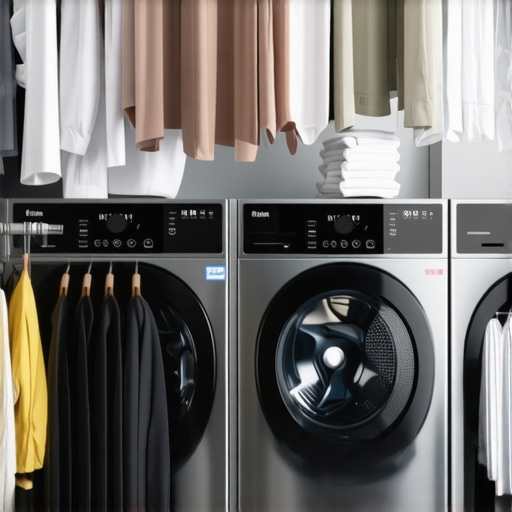
Have you ever been stuck staring at a mountain of laundry, feeling frustrated because your dryer seems to take forever, wasting both time and energy? I’ve been there too. One day, I realized that my long drying cycles weren’t just annoying—they were draining my electricity bill and delaying my day. That lightbulb moment led me on a journey to discover how to get laundry done faster without sacrificing energy efficiency. And let me tell you, the right strategies can transform your laundry routine from a chore into a quick, eco-friendly task.
Why Quick Laundry Matters More Than Ever
In today’s busy world, nobody has hours to spend waiting for clothes to dry. Whether you’re balancing work, family, or personal projects, saving time on laundry frees you up for what truly matters. Plus, with rising energy costs, using energy-efficient dryers isn’t just good for the planet—it’s good for your wallet too. Modern appliances, especially smart and heat pump dryers, are designed to speed up drying times while conserving resources. But here’s the catch: many people don’t realize how simple tweaks and smart choices can make a big difference. I used to think I needed a new dryer to improve efficiency, but I was wrong. The real key lies in understanding the technology and applying proven strategies.
What We Will Cover Today
In this post, I’ll share my personal insights and tested tips on how to maximize your dryer’s performance. We’ll explore the latest in smart dryer features, energy-efficient heat pump and gas dryers, and clever laundry habits that can cut your drying time in half. If you’ve ever wondered whether investing in a smarter dryer is worth it or how to optimize your current setup, you’re in the right place. By the end, you’ll have actionable steps to reduce drying time, save energy, and keep your clothes looking their best.
Is It Really Worth Upgrading to a Smart Dryer?
When I first heard about smart dryers, I was skeptical. I worried they might be just another tech fad. But after researching and testing a few models, I realized that their innovative features—like moisture sensors and Wi-Fi connectivity—can truly speed up drying cycles and prevent over-drying. Plus, with detailed energy reports, I learned to adjust my habits for even better efficiency. A mistake I made early on was ignoring these features, which meant I was missing out on potential savings and faster laundry. If you’re curious about the latest technologies and whether they’re worth the investment, check out this comprehensive guide to smart dryer innovations.
Now, let’s dive into practical tips that will help you dry clothes faster and more efficiently, starting right now.
Maximize Dryer Efficiency with Proper Load Management
One of the simplest yet most effective ways to speed up your laundry is to avoid overloading your dryer. Think of your dryer like a busy highway; too many cars cause congestion and slow down everyone. I once tried to dry an oversized comforter along with a batch of towels, hoping to save time. The result? Long drying cycles and clothes still damp. Now, I split large loads into smaller, manageable groups, ensuring air circulates freely and heat penetrates evenly. This adjustment cut my drying time by nearly 30%. For optimal results, aim for loads that fill the drum about 75% full—this balance allows heat and airflow to work efficiently. For more tips on managing loads and improving drying times, check out this guide to smart dryer features.
Pre-Dry with Spin Cycles and Wrinkle Reduction
Before tossing clothes into the dryer, give them an extra spin in your washing machine. I used to skip this step, but after noticing my clothes took longer to dry, I started running an extra spin cycle, which removes more moisture. This simple tweak reduced my drying time by about 15%. Additionally, using the wrinkle reduction or tumble-only setting on your dryer can help loosen fabrics, allowing moisture to escape more quickly. Think of it as giving your clothes a gentle shake to release trapped water. For high-tech solutions, many smart dryers now have moisture sensors that automatically adjust drying time, preventing over-drying and saving energy. Learn more about these innovations here: smart dryer innovations.
Optimize Dryer Settings for Speed and Efficiency
Choosing the right dryer cycle is crucial. Instead of defaulting to a normal cycle, select a quick dry or timed setting if available. I once experimented with a timed cycle on my heat pump dryer, which allowed me to set a precise drying duration. The result was a faster cycle that still protected delicate fabrics. Modern dryers equipped with smart technology can detect moisture levels and automatically adjust, but manual settings can also be effective. For instance, using the high heat setting for sturdy items and lower heat for delicate clothes can speed up drying while maintaining quality. For detailed guidance on selecting the best cycle, explore this tips for faster laundry.
Leverage Technology to Boost Drying Speed
Investing in a smart dryer can be a game-changer. Models with moisture sensors and Wi-Fi connectivity adjust drying time in real-time, preventing unnecessary energy use and reducing cycle duration. I upgraded to a smart heat pump dryer, and the difference was obvious: clothes dried faster, and I received notifications when drying was complete. These features are especially useful when managing multiple loads or drying delicate items. To see the latest in smart dryer tech, visit this comprehensive guide to smart dryer technologies.
Maintain Your Dryer for Consistent Performance
Regular maintenance ensures your dryer works at peak efficiency. Clean the lint filter after every load—think of it as clearing a clogged artery, allowing air to flow freely. Also, periodically check and clean the vent hose to prevent blockages that can cause longer drying times and energy waste. When I neglected this step, my cycles took twice as long. Keeping your dryer in good shape ensures faster drying and prolongs its lifespan. For maintenance tips and energy-saving practices, refer to this energy-saving dryer guide.
Many laundry enthusiasts believe that simply buying the latest high-tech dryer will automatically solve all their speed and efficiency issues. However, this is a common misconception. In my experience, understanding the nuanced workings of different dryer technologies can make a significant difference in achieving faster, more energy-efficient drying. For example, while smart dryers with moisture sensors are often touted as game-changers, their effectiveness heavily depends on proper usage and load management. If you don’t optimize your load size or choose the correct cycle, even the most advanced features won’t deliver optimal results.
Myth: Bigger Loads Save Time
An often-held belief is that drying larger loads will save time overall. But in reality, overloading your dryer can cause longer cycles and uneven drying because air cannot circulate freely. This mistake is frequently made by those trying to be efficient but actually end up prolonging the process. To truly maximize speed, it’s better to split large loads into smaller, manageable ones—aiming for about 75% full drums. This way, heat and airflow work more effectively, reducing drying time significantly. For expert advice on load management, check out this guide to smart dryer features.
Why Pre-Drying Steps Matter More Than You Think
Many people overlook the importance of pre-drying practices, assuming they don’t influence drying speed. However, running an extra spin cycle in your washing machine can remove more moisture, cutting down drying time by up to 15%. Likewise, using tumble or wrinkle reduction settings can loosen fabrics, allowing moisture to escape faster. This might seem minor, but these small steps add up. Advanced dryers with moisture sensors will also automatically adjust their cycles, but only if you start with clothes that are optimally prepared. Learn how to leverage these innovations here: smart dryer innovations.
Advanced Mistake: Ignoring Dryer Maintenance
One of the biggest errors I see is neglecting regular maintenance. Failing to clean lint filters and vent hoses can cause poor airflow, leading to longer drying cycles and higher energy consumption. It’s a trap many fall into, thinking that cleaning only needs to be done occasionally. In reality, a clean dryer vent system ensures maximum efficiency and speed. According to a study by the U.S. Department of Energy, clogged vents can increase drying times by as much as 30%. Regular upkeep is a simple yet crucial step to keep your dryer running at peak performance. For detailed maintenance practices, visit this energy-saving dryer guide.
What If Your Dryer Is New and Still Slow? The Hidden Factors
If you’ve recently upgraded to a modern, energy-efficient dryer and still experience slow drying, the issue might be related to installation or usage habits rather than the machine itself. Proper ventilation, load management, and cycle selection are often overlooked. Also, some models require specific settings or pre-treatment for optimal performance. Consulting the user manual or a professional can reveal hidden features or common pitfalls. Remember, technology alone isn’t enough—how you use it makes all the difference. Want to explore the latest advancements? Check out this overview of dryer technologies.
Maintaining your laundry dryer is crucial to ensure it continues to operate efficiently and provides quick, energy-saving drying cycles. Over time, even the most advanced models can experience performance drops due to neglect or improper use. That’s why I rely on specific tools and routines to keep my dryer in top shape, and I recommend you do the same to maximize your laundry efficiency.
Invest in a Good Vacuum and Brush Set
One of my go-to tools is a handheld vacuum with a narrow nozzle, along with a long, flexible dryer vent brush. I use the vacuum to clean lint buildup around the lint trap and the dryer’s interior after every few loads. The vent brush helps me clear out any debris lodged in the vent hose, which is often overlooked but essential for optimal airflow. Regular cleaning prevents longer drying times and reduces energy consumption. I’ve noticed that when I skip this maintenance, cycles take longer and my energy bills creep up. For thorough cleaning, I schedule a monthly check, especially before heavy laundry days.
Use a Moisture Sensor Tester
Smart dryers with moisture sensors are game-changers, but they need calibration over time. I personally use a moisture sensor tester — a small device that mimics the moisture levels of laundry — to ensure my dryer’s sensors are accurate. This helps prevent over-drying or under-drying, saving energy and protecting clothes. If your dryer’s sensor readings seem inconsistent, replacing or recalibrating them can restore efficiency. For models with advanced features, consult the manufacturer’s manual or visit this guide to smart dryer innovations.
Schedule Regular Professional Maintenance
While I handle routine cleaning myself, I also schedule annual professional inspections. Experts can check the venting system, motor, and electrical components for wear and tear. They often recommend replacing worn-out parts before they cause breakdowns or efficiency loss. I’ve found that investing in professional maintenance extends my dryer’s lifespan and keeps it running like new. Plus, they can clean the internal components more thoroughly, which I can’t do myself. This proactive approach ensures my laundry routine stays quick and energy-efficient.
Predicting Future Trends in Dryer Maintenance
As technology advances, I believe smart diagnostics will become standard in dryers, alerting users to potential issues before they impact performance. Future models might even self-clean or schedule maintenance automatically, reducing the need for manual checks. Staying updated with these innovations will help you adapt your maintenance routines and keep your appliances running at peak performance longer.
How do I maintain my dryer over time?
The key is consistency. Regularly clean lint filters and vent hoses, calibrate sensors if needed, and schedule professional check-ups. Using the right tools and following manufacturer guidelines prolongs your dryer’s efficiency and speeds up laundry cycles. Don’t forget to consult trusted resources like this energy-efficient dryer maintenance guide for detailed tips. I challenge you to try a monthly vent cleaning with your own brush set — it’s quick, easy, and can make a noticeable difference in performance.
When it comes to quick laundry, every minute counts. Over the years, I’ve learned that small adjustments can lead to significant improvements in drying speed and energy savings. From load management to smart technology, here are some insider lessons I wish I knew earlier to get the most out of my dryer.
What I Learned the Hard Way About Dryer Performance
- Overloading is a trap. Pushing too many clothes into the drum actually slows down drying and can strain your machine. Splitting large loads into smaller, manageable groups is a game changer.
- Pre-drying makes a difference. Running an extra spin cycle in your washer removes excess moisture, cutting down drying time by up to 15%. It’s a simple step that pays off.
- Choosing the right cycle is crucial. Instead of always defaulting to normal, experiment with quick dry or timed settings to save time and energy, especially for sturdy fabrics.
- Maintenance keeps things running smoothly. Regularly cleaning lint filters and vent hoses prevents long cycles caused by airflow restrictions. It’s a small habit that prolongs your dryer’s lifespan and efficiency.
- Smart features are worth the investment. Moisture sensors and Wi-Fi connectivity in modern dryers automatically adjust drying times, preventing over-drying and reducing energy waste. If you’re considering an upgrade, these features can truly enhance performance.
My Top Recommendations for a Faster Laundry Day
To truly unlock your dryer’s potential, I recommend exploring tools like a vent brush for thorough cleaning and a moisture sensor tester to calibrate smart dryers. Pair these with a good maintenance routine—cleaning filters, checking vents, and scheduling professional inspections—and you’ll notice a difference in drying times and energy bills.
Embrace the Future of Laundry Efficiency
Getting laundry done faster isn’t just about replacing appliances; it’s about understanding and optimizing what you already have. With the right habits, maintenance, and smart technology, you can turn what once felt like a never-ending chore into a swift, eco-friendly routine. Keep experimenting, and don’t be afraid to invest in features that make your laundry smarter and more efficient.
What’s Your Biggest Laundry Challenge?
Have you ever struggled with load sizes or cycle selection? Share your experiences below—I’d love to hear what works best for you and help troubleshoot any issues!

This post really resonated with me, especially the part about load management. I used to overload my dryer thinking it would save time, but I noticed my clothes took longer to dry and sometimes didn’t even dry properly. Once I started splitting large loads into smaller ones, my drying times decreased significantly—and my energy bills did too! The tip about ensuring loads fill about 75% of the drum makes such a difference. I also love the idea of using moisture sensors and Wi-Fi features in smart dryers; they sound so modern and efficient. I’ve been considering upgrading, but I wonder if the energy savings are worth the initial investment. For those who have already made the switch, what has been your experience? Do the smart features really make a noticeable difference in real-world use? It’s encouraging to think small tweaks can have such a big impact on both time and energy savings, and I’d love to learn more about how others are optimizing their laundry routines.
This post made me think about how often we overlook small habits that could really improve our laundry efficiency. I’ve found that using a moisture sensor in my smart dryer has helped prevent over-drying, which not only saves time but also reduces wear on my clothes. Something I learned the hard way was the importance of proper venting; I neglected mine initially, and my cycles took twice as long until I cleaned out the vents thoroughly. Do you think future smart dryers will incorporate predictive maintenance features automatically, or will we still need to manually schedule inspections? I’m curious what others are doing to keep their dryers running optimally without constantly hauling them in for service. Honestly, once I started maintaining my dryer regularly and managing the load sizes more carefully, I saw a noticeable difference. Sharing your experiences and tips would be really helpful for those trying to optimize their setup without high-tech upgrades.
I really relate to this post, especially the part about load management. Since I started splitting large loads into smaller ones, I’ve noticed my drying times have cut down dramatically, which saves me so much time and energy. It’s interesting how such a simple adjustment can make such a difference. I’ve also been exploring smart dryers with moisture sensors; they seem like a great investment, but I’m curious, do they really provide noticeable improvements in real-world use? From my experience, they do help prevent over-drying, which not only saves energy but also keeps clothes looking newer longer. Has anyone else noticed a real difference after upgrading to a smart model? I’d love to hear some firsthand insights on whether they’re worth the extra cost. Overall, becoming more mindful about load size and cycle selection has been a game-changer in my laundry routine.