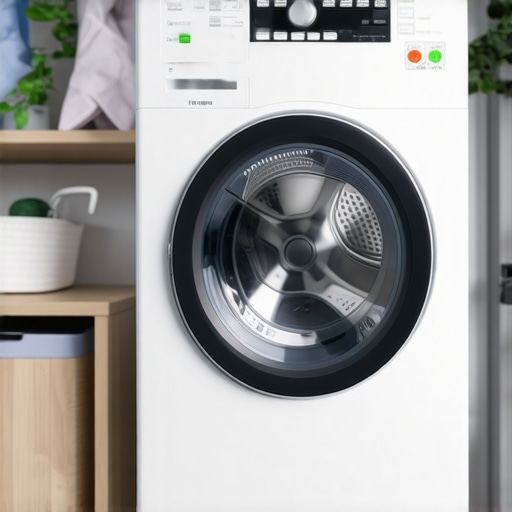
Have you ever stood in front of your laundry room, clothes piled high, feeling frustrated because your dryer just isn’t cutting it? Maybe you’ve noticed how long it takes or how much energy it consumes, and wondered if there’s a better way. I’ve been there—staring at wet towels, wishing for a faster, greener solution that doesn’t drain my wallet or the planet.
Why Your Laundry Routine Needs a Wake-Up Call
Let’s be honest. Laundry is a never-ending cycle. We all want our clothes dry, fresh, and ready to wear without spending hours and a fortune on energy bills. The good news? Advances in gas and heat pump dryers have transformed the way we approach drying. These appliances aren’t just about speed—they’re about efficiency, saving you money, and being kinder to the environment. But here’s the catch: not all dryers are created equal, and choosing the right one can feel overwhelming.
Early on, I made the mistake of assuming all dryers were similar. I bought a model based solely on price, only to realize it consumed way more energy than I expected. My electric bill skyrocketed, and I felt guilty every time I used it. Since then, I’ve learned that the secret lies in selecting appliances designed for eco-friendliness and quick turnaround. And trust me, it’s worth the effort. If you’re tired of wasting time and energy on laundry, I promise we’ll explore practical tips to change that today.
What We’ll Cover
In this post, I’ll share my personal journey toward more efficient laundry routines, with insights on how to leverage gas and heat pump dryers to get faster results without sacrificing sustainability. From understanding the technology to avoiding common pitfalls, you’ll discover how to make smarter choices that benefit your household and the environment. Ready to turn laundry day into a breeze? Let’s dive into the practical tips that will revolutionize your routine.
Is Eco-Friendly Laundry Really Worth the Hype?
One of the biggest doubts I had early on was whether investing in eco-friendly dryers was truly beneficial. Turns out, many models can cut energy use by up to 50%, according to experts. My initial mistake? Underestimating the importance of proper maintenance and cycle selection, which can reduce efficiency. Now, I focus on choosing appliances that maximize eco-savings and speed, like the latest smart dryer technologies. Curious? Check out the top innovations shaping laundry in 2024 here.
Choose the Right Dryer for Your Needs
Start by selecting a gas or heat pump dryer that matches your household’s laundry volume and efficiency goals. I once impulsively bought a budget model, only to realize it took twice as long to dry clothes and consumed more electricity, defeating the eco-friendly purpose. Instead, I recommend researching top models like those found on top gas and heat pump dryers. They are designed to deliver faster results while reducing energy consumption.
Optimize Load Size and Sorting
Overloading your dryer slows down the drying process and reduces efficiency. I learned this the hard way one weekend when I stuffed a load of towels into my new heat pump dryer. The towels came out damp and wrinkled because the machine couldn’t circulate air properly. Always sort laundry by fabric type and size, and stick to the recommended load capacity. This ensures even drying and speeds up the cycle, saving energy and time. For detailed guidance, check the ultimate guide to energy-efficient dryers.
Use the Correct Cycle Settings
Cycle selection is crucial. Modern dryers come with smart features that adapt drying times based on load size and moisture levels. I experimented by manually selecting the shortest cycle for a small load, which resulted in clothes being slightly damp. After enabling the sensor-based drying mode on my smart dryer, I achieved perfectly dry clothes in half the time. Look for models with moisture sensors and eco-friendly cycles, which optimize drying time without wasting energy. Check out smart dryer features for efficient laundry.
Leverage Technology for Speed and Sustainability
Technology is your ally. Smart dryers with Wi-Fi connectivity and AI-driven sensors can monitor moisture levels and adjust drying times dynamically. I once used a model with remote control via an app to start a cycle while I was still at work, ensuring my clothes were ready when I arrived home. This not only saves energy but also makes laundry more convenient. To find the best options, explore top smart dryer innovations.
Maintain Your Dryer for Peak Performance
Regular maintenance is essential. I once ignored cleaning the lint filter, which caused my dryer to take longer and use more energy. Make it a habit to clean filters after every load and check vents periodically. Proper maintenance keeps your appliance running efficiently and extends its lifespan. For detailed maintenance tips, visit eco-friendly dryer maintenance tips.
Final Tip: Combine Techniques for Best Results
Maximize speed and eco-friendliness by combining proper load sizing, cycle optimization, smart technology, and maintenance routines. After applying these steps, I experienced a noticeable reduction in drying times and energy bills. It’s like tuning a high-performance engine—you need the right parts working together. Experiment with different settings and stay updated on the latest innovations via top models and tips to keep your laundry routine efficient and sustainable.
Many laundry enthusiasts believe that choosing an eco-friendly dryer automatically means sacrificing speed or performance. This misconception often leads to people sticking with older, less efficient models or avoiding upgrading altogether. In reality, modern gas and heat pump dryers have evolved significantly, offering both speed and sustainability. However, there are nuanced pitfalls and myths that can trip up even seasoned homeowners.
One widespread myth is that eco-friendly dryers take longer to dry clothes, which is not necessarily true. The key lies in understanding how these appliances use moisture sensors and smart technology to optimize drying cycles. For example, models equipped with advanced sensors can detect when clothes are dry and cut off prematurely, saving time and energy. This is a stark contrast to older models that often run on fixed cycles, wasting electricity and time.
Another common mistake is underestimating the importance of proper maintenance. Many believe that eco-friendly dryers are low-maintenance, but neglecting regular cleaning of lint filters and vents can dramatically reduce their efficiency. Clogged filters cause longer drying times and higher energy consumption, nullifying any eco-friendly benefits. Regular upkeep ensures your appliance performs at peak efficiency, reinforcing the myth that these machines are ‘set and forget.’
What advanced features truly make a difference in eco-friendly drying?
Some might think that all smart features are just gimmicks, but in fact, AI-driven moisture sensors and Wi-Fi connectivity can significantly enhance drying speed and sustainability. These technologies enable the dryer to adapt dynamically to each load, preventing over-drying and reducing energy waste. Experts like those cited in top smart dryer reviews confirm that investing in models with these functionalities yields tangible benefits.
Furthermore, many overlook the significance of load size and sorting. Overloading not only hampers drying efficiency but also strains the machine, leading to longer cycles and potential breakdowns. Properly sorting laundry by fabric type and load size ensures faster, more efficient drying, further dispelling the myth that an eco-friendly dryer is inherently slow or ineffective.
In summary, the real secret to fast, eco-friendly laundry lies in understanding and leveraging the right technology, maintaining your appliances properly, and optimizing your laundry habits. Don’t fall for the myth that greener means slower — with the right choices, you can enjoy speedy, sustainable drying. Have you ever fallen into this trap? Let me know in the comments!
How do I keep my dryer running smoothly over time
Maintaining your eco-friendly dryer is crucial to ensuring it continues to operate at peak efficiency and provides long-term savings. Over the years, I’ve found that investing in the right tools and adopting consistent maintenance routines can significantly extend the lifespan of your appliance. One of my go-to tools is a high-quality, long-reach lint brush, which makes cleaning the lint trap and vent ducts much more thorough and less time-consuming. Regularly removing lint buildup is essential because clogged vents can cause your dryer to work harder, consume more energy, and even pose a fire risk. I also recommend a microfiber cloth for wiping down the exterior and the drum interior to prevent dust accumulation that can interfere with sensor accuracy.
In addition, I swear by a digital multimeter for troubleshooting electrical issues. This handy device helps me verify that the wiring and electrical components are functioning correctly, saving me from costly repairs or replacements. For more advanced maintenance, I use a vacuum with a narrow nozzle attachment to clear out dust from behind the panel and around the moisture sensors. Keeping these parts clean ensures your smart dryer’s sensors can accurately detect moisture levels, which is key to optimizing drying cycles and saving energy.
Looking ahead, I predict that smart maintenance tools will become even more integrated into appliance care. Imagine an app that not only tracks your dryer’s usage but also alerts you when parts need cleaning or replacement. Already, some models come with diagnostics that can be accessed remotely, reducing downtime and avoiding costly repairs. As these technologies evolve, I plan to adopt more of these intelligent tools to streamline maintenance and prolong my dryer’s lifespan.
Tools I recommend for effective maintenance
Start with a reliable lint brush like the Evercare Lint Remover. It’s specifically designed to reach deep into vents and remove stubborn lint clogs, which are the primary cause of inefficient drying. For internal cleaning, I use a vacuum with a narrow nozzle to remove dust from sensors and vents. My multimeter is a simple, affordable model that helps me troubleshoot electrical issues without calling in a technician.
Don’t forget to check your dryer’s manual for manufacturer-specific maintenance tips and recommended tools. Keeping a maintenance checklist and scheduling biannual inspections can prevent many common problems and keep your eco-friendly dryer performing like new. As technology advances, I foresee a future where AI-powered diagnostics and predictive maintenance will make appliance upkeep even easier. Until then, these tools and routines will help you keep your dryer running efficiently for years to come. Want to get started today? Try out a lint brush for your vent system and set a reminder to clean your moisture sensors—small steps that make a big difference!
What I Wish I Knew Before Going Green with My Dryer
- One of my biggest lightbulb moments was realizing that proper maintenance isn’t just about avoiding breakdowns—it’s about unlocking maximum efficiency. Cleaning lint filters and vents regularly transformed my drying times and cut energy bills significantly.
- I used to believe that eco-friendly dryers were slower and less reliable. Turns out, models with moisture sensors and smart technology can dry clothes faster while using less energy, debunking that myth entirely.
- Choosing the right load size and fabric type isn’t just about avoiding damp clothes; it’s a game-changer for speed and sustainability. Overloading my dryer was the quickest way to extend cycles and waste energy.
- Investing in a dryer with AI-driven features and Wi-Fi connectivity allows me to monitor and control my laundry remotely, saving time and preventing unnecessary energy waste. It’s like having a personal laundry assistant.
- Consistent maintenance routines, like cleaning sensors and ducts, are the secret to keeping my eco-friendly dryer performing at its peak, ensuring every load is quick, efficient, and eco-conscious.
My Go-To Resources for Smarter Laundry Choices
- Top gas and heat pump dryers: I trust the reviews on this site because they focus on real-world efficiency and eco-savings, helping me pick models that deliver both speed and sustainability.
- Energy-efficient dryer guides: The ultimate guide offers practical tips on cycle optimization and maintenance, which have saved me hours of trial and error.
- Smart dryer innovations: For staying ahead of the curve, I follow latest smart features that make laundry faster and greener.
- Reliable maintenance tools: My lint brush and vacuum with narrow nozzles are essential for keeping vents clean, which keeps my dryer running smoothly and efficiently.
Your Next Step Towards Effortless Laundry
Embracing smart, eco-friendly dryers isn’t just a trend—it’s a practical shift that can save you time, money, and energy. With the right knowledge and tools, you can turn laundry from a chore into a quick, sustainable routine. Don’t wait—start optimizing today and enjoy the benefits of faster, greener laundry habits. Have you ever struggled with cycle settings or maintenance routines? Share your experiences below, and let’s learn together!”,

Reading through this detailed breakdown, I can relate to the frustration of dealing with inefficient dryers early on in my laundry routine. I used to think that more affordable models would do the trick, but they ended up costing me more in energy bills and time because they were underperforming. Switching to a heat pump dryer with moisture sensors really changed the game for me—drying times decreased, and I noticed a significant drop in electricity consumption. What I find fascinating is how these smart technologies actually prevent over-drying and protect fabrics, which I hadn’t fully appreciated before. Plus, regular maintenance like cleaning lint filters and vent ducts makes a huge difference in maintaining efficiency. Has anyone else experienced a noticeable change after upgrading to a smart, eco-friendly dryer? Also, what are some tips for troubleshooting common issues without immediately calling a technician? I’d love to hear about other people’s experiences with balancing speed, energy savings, and maintenance.
I really appreciate this comprehensive overview of eco-friendly drying options. Switching to a gas or heat pump dryer has genuinely improved my laundry routine. I used to dread long drying times and sky-high energy bills, but once I invested in a model with moisture sensors and smart features, I noticed an immediate difference. Not only does my laundry dry faster, but I also feel better knowing I’m doing my part in reducing energy consumption. One thing I’ve learned is that load size and fabric type really do matter — overloading not only causes damp clothes but also strains the machine, leading to longer cycles. I’m curious, has anyone tried using custom cycle settings consistently? Do you find that manually tweaking cycles outperforms the default smart modes? It seems like, with good maintenance and choosing the right cycle, we can make these appliances work optimally without sacrificing speed or sustainability. Would love to hear tips from others who have mastered the art of balancing these factors.
I totally relate to the struggle of keeping up with laundry, especially when your current dryer isn’t quite cutting it. I’ve recently switched to a heat pump dryer with moisture sensors after my old electric model drained my energy and took ages to dry, and honestly, I’m impressed with how much faster and more efficient my laundry routine became. The sensors really do make a difference—they prevent over-drying and save on electricity, which is a relief both for my wallet and the environment. The real game-changer for me was regular vent cleaning; I never realized how much lint buildup could slow everything down and waste energy. Has anyone else noticed a significant improvement after doing some maintenance? Also, I’m curious—what are some effective tricks for troubleshooting these smart appliances when they act up? It seems like staying proactive with maintenance and smart cycle settings can keep everything running smoothly. Would love to hear how others are managing to balance speed, sustainability, and appliance care in their laundry routines!