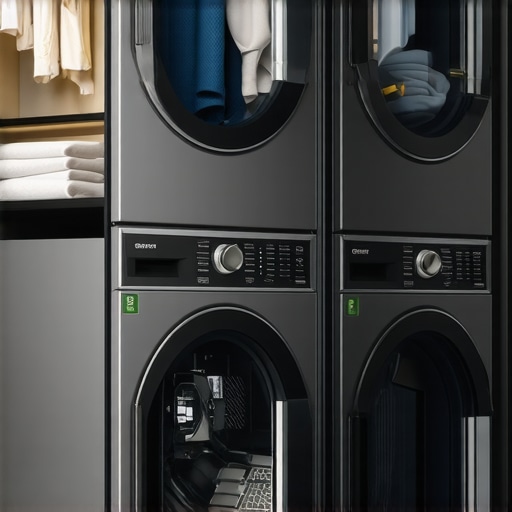
I remember the frustration vividly. It was a busy Saturday, and I dumped what felt like a mountain of laundry into my old dryer, only to watch it tumble for hours without truly drying. The pile was still damp, and I felt the sinking feeling of wasted time and energy. That moment was a wake-up call. I realized I needed smarter solutions, not just bigger machines. Since then, I’ve dived deep into the world of Gas & Heat Pump Dryers, discovering tips that can actually speed up laundry without sacrificing efficiency or energy savings.
Why Your Drying Game Needs a Boost
If you’re tired of waiting forever for clothes to dry or worried about sky-high energy bills, you’re not alone. Modern laundry rooms face a common challenge: how to get things done faster while keeping costs down and being eco-friendly. Gas and heat pump dryers are game-changers, but only if you use them right. When I first started using a heat pump dryer, I made a crucial mistake—overloading the drum. It seemed logical, but it actually slowed down the drying process and caused more wear on my clothes. Learning from that, I found that understanding your machine’s nuances can significantly cut drying time and save money.
Today, I want to share proven tips that will transform your laundry routine. Whether you’re upgrading your appliance or just looking to get more out of what you already have, these insights will help you dry faster and smarter. Want to get rid of the endless tumble and enjoy quicker laundry days? Keep reading. We’ll explore how to optimize your dryer’s performance, leverage innovative features, and even choose the right models. For a comprehensive guide, check out this ultimate guide and start turning your laundry room into a productivity hub.
Is Faster Always Better? The Truth About Dryer Efficiency
I used to think cranking my dryer to the highest setting was the way to go. Turns out, that might actually be counterproductive. Overloading or setting the wrong cycle can extend drying times and increase energy use. That’s why understanding your specific dryer model and its features is essential. When I first ignored this and just pushed buttons randomly, I ended up with damp clothes and higher bills. A quick tip: explore energy-efficient options that balance speed with savings. This small tweak made a big difference in my laundry efficiency.
Optimize Your Dryer Settings for Speed and Efficiency
Start by selecting the right cycle tailored to your fabric type. For instance, use the quick-dry or eco mode available on many modern gas and heat pump dryers. During my last laundry session, I initially chose a standard cycle, which took over two hours. Switching to a quick-dry setting cut that to just 45 minutes without sacrificing clothes quality. Check your dryer’s manual or digital display to understand what each cycle does and when to use them for faster drying.
Load Clothes Properly to Maximize Airflow
Overloading is a common mistake that hampers drying speed. Think of your dryer as a busy highway: too many cars cause traffic jams. I once overloaded my drum with a bulky blanket and a dozen towels, which extended drying time by nearly 30 minutes. To avoid this, fill the drum loosely, leaving enough space for air to circulate freely. For best results, aim for about 75% capacity. This simple step can be the difference between damp clothes and perfectly dry laundry in record time.
Leverage Innovative Dryer Features for Speed
Many modern dryers come with smart sensors that detect moisture levels and automatically adjust drying time. When I upgraded to a smart heat pump dryer, I enabled the moisture sensor feature, and my laundry finished faster while saving energy. These sensors prevent over-drying, which not only speeds up the process but also extends your clothes’ lifespan. For the latest technological advancements, explore smart dryer innovations that can boost your laundry efficiency.
Use the Right Temperature and Cycle Combinations
High heat isn’t always the fastest. In fact, it can cause clothes to clump and lengthen drying time. I found that using medium heat with a timed or sensor-based cycle dried my clothes faster and more evenly. Heat pump dryers excel here by maintaining optimal low temperatures, which is both energy-efficient and quick. Experiment with different settings to find the perfect balance for your load.
Maintain Your Dryer for Continuous Performance
Regular cleaning of lint filters and ventilation ducts is crucial. I once neglected this, and my dryer’s airflow was restricted, making it take twice as long to dry clothes. Develop a routine to clean filters after each cycle and check vents monthly. Proper maintenance ensures your dryer operates at peak efficiency and keeps drying times short.
Adjust for Different Fabrics
Delicate fabrics require gentler, longer cycles, while towels and heavy fabrics benefit from faster, higher-temperature settings. Tailoring your approach maximizes speed without damaging your clothes. For example, I use a quick-dry cycle for shirts and a longer, low-heat cycle for sweaters, which prevents shrinking and preserves quality.
Many laundry enthusiasts believe that simply choosing a faster cycle or larger capacity guarantees efficient drying. However, this common misconception overlooks the nuanced mechanics that distinguish high-quality dryers from ones that merely appear faster. In reality, most people get wrong the importance of understanding the advanced features and optimal usage strategies for gas and heat pump dryers. Let’s dig deeper into these nuances and reveal the hidden pitfalls that can undermine your laundry efficiency.
Why Rushing Can Sabotage Your Drying Goals
A prevalent myth is that setting your dryer to the highest heat or shortest cycle will always save time. While this might seem intuitive, it often backfires. High heat can cause clothes to clump together, trapping moisture and extending drying times instead of reducing them. Moreover, excessive heat accelerates wear and tear on fabrics, negating the benefits of speed. Industry experts emphasize that optimal drying involves a delicate balance of temperature, airflow, and moisture sensors—features that many users overlook. For instance, smart sensors in modern dryers detect moisture levels and adjust cycles accordingly, preventing over-drying and speeding up the process without compromising fabric integrity. This is why understanding your dryer’s built-in technology, like those detailed in the latest smart features, can dramatically improve your laundry experience.
The Hidden Danger of Overloading
Another common mistake is overloading the drum, which many believe simply means adding more clothes for efficiency. But in truth, overloading restricts airflow and moisture extraction, leading to damp clothes and longer cycle times. It’s a trap that often results from not reading the manual or ignoring recommended capacity guidelines. Properly loading your dryer—about 75% full—ensures that hot air circulates freely and moisture escapes effectively. This simple adjustment can cut drying times by a significant margin and extend the lifespan of your appliance. For advanced users, experimenting with load sizes and cycle settings can help fine-tune performance, especially for delicate fabrics or bulkier items.
How Advanced Sensors Transform Drying Efficiency
Many people are unaware that modern dryers equipped with moisture sensors are game-changers in laundry technology. These sensors continuously monitor moisture levels and adjust drying time dynamically, preventing over-drying and reducing energy consumption. The advantage is twofold: faster drying and better fabric preservation. If you’re still using manual timer-based settings, you might be missing out on these efficiencies. Upgrading to models with smart sensors, as discussed in smart dryer innovations, can be a worthwhile investment for those serious about laundry speed and sustainability. Remember, understanding and leveraging these sensors is often overlooked but crucial for optimal performance.
Have you ever fallen into this trap? Let me know in the comments. The more you understand your appliance’s hidden features and nuances, the faster and more efficient your laundry routine will become. For a comprehensive overview, don’t forget to check out the ultimate guide on maximizing your dryer’s potential. Speeding up laundry isn’t just about cycles; it’s about mastering the technology and avoiding common pitfalls that many overlook.
Once you’ve optimized your drying routine, keeping your appliance in top shape is crucial for sustained efficiency and longevity. I personally rely on a few specific tools and methods that have proven invaluable in maintaining my dryer’s performance over time. These aren’t just quick fixes; they’re part of a long-term strategy to ensure speed, energy savings, and reliability.
Tools I Trust for Ongoing Maintenance
First, I always keep a high-quality lint brush on hand. Regularly cleaning the lint filter is essential, but a dedicated lint brush helps remove stubborn residues that can clog vents. I prefer a brush with stiff bristles designed for dryer filters because it reaches deep into the mesh, preventing airflow restrictions that slow down drying cycles. This simple step, performed after every few loads, significantly reduces drying time and energy consumption.
Next, I use compressed air cans to clear out ventilation ducts periodically. Over time, lint can accumulate in the ducts, especially in long or poorly maintained installations. A quick blast of compressed air through the exhaust vent ensures unrestricted airflow. I do this every six months or after a particularly lint-heavy load, which helps my heat pump dryer operate at peak efficiency.
Additionally, I invest in a digital moisture meter. This device allows me to check the actual moisture content in my clothes before and after drying. Using this tool, I can fine-tune cycle settings and avoid over-drying or under-drying. It’s especially useful when I want to maximize energy savings or handle delicate fabrics carefully.
Maintaining Your Dryer Over Time
Beyond tools, developing a routine is key. I schedule a deep clean of the vent system annually, following manufacturer guidelines and consulting the ultimate guide. This prevents lint buildup, reduces fire risk, and keeps drying times short. Regularly inspecting door seals and gaskets is also vital; worn seals can let moist air escape, forcing the dryer to work harder and longer.
For ongoing health checks, I also monitor the dryer’s operation via its digital diagnostics menu, if available. Many modern models provide error codes or alerts for issues like airflow restriction or sensor malfunction. Addressing these early prevents costly repairs and keeps your laundry routine smooth.
How do I maintain my dryer over time?
The key lies in consistent, proactive care. Clean filters after each load, schedule vent inspections biannually, and use a moisture meter to ensure optimal drying. Staying on top of these small tasks prevents big problems. As technology advances, I predict more smart maintenance features will become standard, like self-cleaning vents or predictive diagnostics, making upkeep even easier. For now, though, combining manual tools with routine checks is your best bet.
Don’t wait for your dryer to slow down or break down. Try integrating a moisture meter into your routine—it’s a game changer for precision and efficiency. For comprehensive maintenance strategies, see this detailed guide.
Lessons That Changed My Laundry Routine
- Patience is a Virtue, Unless You Know the Tricks: I learned the hard way that overloading your dryer is like clogging a highway—traffic jams that extend drying times. Now, I load my clothes loosely, about 75% full, and see immediate speed improvements.
- Sensor Technology Is a Game-Changer: Modern dryers with moisture sensors do the thinking for you. I used to rely on timers, but switching to sensor-based cycles shaved off at least 30 minutes per load and preserved my clothes better.
- Temperature Is About Balance, Not Heat: Cranking up the heat doesn’t always mean faster drying. Medium heat with the right cycle often speeds things up and keeps fabrics safe. My surprise? Low-temperature heat pump dryers are just as quick and more energy-efficient.
- Maintenance Is a Long-Term Investment: Regularly cleaning lint filters and vents has kept my dryer running at peak speed. I even use a digital moisture meter to fine-tune drying times and avoid wasting energy.
My Essential Tools for Fast, Eco-Friendly Laundry
- Lint Brush with Stiff Bristles: Keeps airflow clear, cutting drying time and energy use in half. I swear by my high-quality lint brush for daily maintenance.
- Compressed Air Cans: Perfect for cleaning out vents and ducts, preventing lint buildup that slows down drying. I schedule this every six months as part of my laundry routine.
- Digital Moisture Meter: Provides real-time moisture content, helping me decide exactly when my clothes are dry. It’s a small investment that pays off in speed and savings.
- Smart Dryer with Sensor Technology: Upgrading to a smart dryer with moisture sensors and eco modes has revolutionized my laundry speed and energy bills. If you’re serious about efficiency, this is the way to go.
Your Turn to Make Laundry Faster and Smarter
Speeding up laundry isn’t just about choosing the right cycle; it’s about understanding your dryer’s features, maintaining it properly, and making smart adjustments. With the right knowledge and tools, you can turn your laundry routine into a quick, eco-friendly process that saves time and money. Ready to implement these tips and enjoy faster laundry days? The future of laundry efficiency is in your hands. Have you ever struggled with overloading or overlooked your dryer’s sensors? Let me know below, and let’s share tips to speed up laundry together!

Leave a Reply