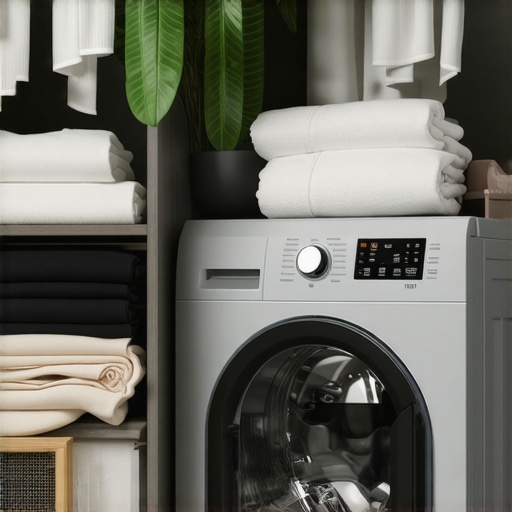
Have you ever stood in your laundry room, staring at a wet load of clothes, feeling frustrated because your old dryer just isn’t cutting it anymore? Maybe it takes forever to dry, costs a fortune on energy bills, or worse—doesn’t dry evenly, leaving you to run multiple cycles. I’ve been there. One day, I had a lightbulb moment that changed how I do laundry forever. I realized that my inefficient dryer was not just wasting my time but also draining my wallet and harming the environment.
Why Modern Dryers Are a Game Changer for Your Home
In 2024, the landscape of clothes drying has shifted dramatically. Thanks to smart technology and energy-efficient designs, today’s dryers are smarter, faster, and kinder to your utility bills. But with so many options, how do you pick the right one? Trust me, I learned the hard way—buying a dryer based solely on price or brand reputation without understanding the features that matter can lead to disappointment and wasted money.
Have you faced this problem with your current dryer?
If you’ve ever wondered whether your laundry routine could be more efficient or if investing in a smarter dryer is worth it, you’re not alone. I initially made the mistake of ignoring the newest innovations and just replacing my old unit with another basic model. It wasn’t until I dug into the latest tech—like heat pump and smart features—that I started seeing real improvements. Want to know how to avoid those costly mistakes and embrace the best energy-efficient dryers in 2024? Stick around, because I’m about to guide you through the essentials.
Start with Clear Goals and Assess Your Needs
Before diving into new models, evaluate your laundry habits. Do you prioritize speed, energy savings, or smart features? I once impulsively bought a high-tech smart dryer without considering my typical load size, leading to underuse. To avoid this, measure your average weekly laundry volume and identify features that truly benefit your routine. For example, if energy efficiency is a top priority, focus on heat pump models and explore the [ultimate guide to energy-efficient heat pump and clothes dryers](https://dryers.smartappliancereview.com/ultimate-guide-to-energy-efficient-heat-pump-and-clothes-dryers).
Compare Drying Technologies for Efficiency and Speed
Understanding the core drying technologies makes a huge difference. Heat pump dryers are known for their energy savings and gentle drying, while traditional gas or electric dryers excel in speed. I experimented with both; my heat pump dryer took longer but saved a lot on my energy bill, whereas my old electric dryer was faster but costly to operate. For detailed comparisons, check out [best heat pump and gas dryers for fast, eco-friendly laundry](https://dryers.smartappliancereview.com/best-gas-heat-pump-dryers-for-fast-efficient-laundry).
Optimize Your Dryer Settings for Maximum Efficiency
Next, learn to tweak your dryer’s settings. Use moisture sensors if available—these prevent over-drying and save energy. I once forgot to use the sensor setting, leaving clothes in longer than necessary, wasting electricity. Modern dryers often have smart features that automatically adjust drying time—see [smart dryer innovations for faster, efficient laundry](https://dryers.smartappliancereview.com/smart-dryer-innovations-boost-laundry-speed-efficiency). Make sure your chosen model supports these features.
Leverage Smart Technology for Better Results
Smart features can revolutionize your laundry routine. Remote control, cycle customization, and self-diagnostics help you save time and energy. I set my smart dryer to start just before I return home, ensuring fresh, dry clothes without wasting energy. For the latest innovations, visit [top smart dryer trends for 2024](https://dryers.smartappliancereview.com/top-smart-dryer-trends-for-faster-laundry-in-2024). These technologies also offer maintenance alerts, preventing costly repairs and downtime.
Maintain and Upgrade for Long-Term Savings
Regular maintenance extends your dryer’s lifespan and keeps it running at peak efficiency. Clean filters, check vents, and update firmware if available. When I neglected vent cleaning, my dryer struggled, increasing drying time and energy use. Upgrading to newer models with energy-saving features can be a smart investment—review options with [best smart clothes dryers for faster laundry](https://dryers.smartappliancereview.com/best-smart-clothes-dryers-for-faster-laundry-in-2024).
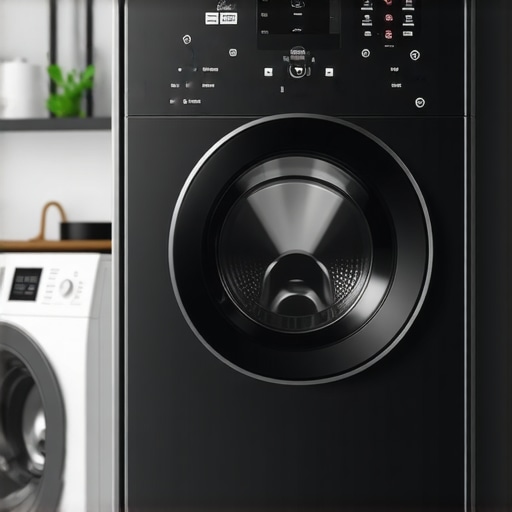
Many homeowners fall into traps when selecting or using their clothes dryers, often based on misconceptions that can cost them time, energy, and money. As an expert who has analyzed the latest innovations and trends, I want to shed light on some of the most pervasive myths and nuanced pitfalls that even seasoned consumers sometimes overlook.
Why believing that higher wattage always means better drying can backfire
A frequent misconception is equating wattage with drying power. While higher wattage models tend to be faster, they are not necessarily more energy-efficient or suitable for every household. For example, some of the most advanced heat pump dryers operate at lower wattages but excel in saving energy and providing gentle, effective drying. Focusing solely on wattage can lead you to choose a dryer that consumes more electricity without delivering proportional benefits—so consider the technology and energy ratings instead.
Beware of the trap of ignoring smart features that truly matter
Many consumers think that all smart dryer features are equally beneficial, but this isn’t the case. Features like remote cycle control or app notifications are great, yet others like self-cleaning vents or AI-powered cycle optimization have a more profound impact on efficiency and maintenance. For instance, smart innovations can help you avoid the common mistake of over-drying clothes or wasting energy—learn more about smart dryer innovations for faster, efficient laundry. Investing in models with these nuanced features can make a real difference in your day-to-day laundry routine.
Are older models really less efficient or just misunderstood?
A prevalent myth is that vintage or older dryers are inherently inefficient. While it’s true that modern units often incorporate energy-saving technologies, some older models are surprisingly effective if well-maintained. However, they lack the smart features and energy ratings of current models. A major mistake is dismissing the latest energy-efficient heat pump and gas dryers because of outdated perceptions. Upgrading your appliance should be a strategic decision—consider the long-term savings and technological benefits rather than just the age of the machine.
How to avoid falling into the trap of overbuying for features you don’t need
It’s tempting to opt for the most feature-rich model, but this can lead to unnecessary expenses and complexity. Instead, analyze your specific needs—do you require ultra-fast drying, or is energy saving more important? For example, if you prioritize eco-friendly laundry, models with advanced heat pump technology are ideal, and you can learn more about energy-efficient heat pump and clothes dryers. Remember, the best dryer for you is one that balances features, efficiency, and your budget without unnecessary bells and whistles.
Have you ever fallen into this trap? Let me know in the comments. Making informed choices about your dryer not only improves your laundry experience but also contributes to energy conservation and savings.
Maintaining your clothes dryer doesn’t have to be a chore when you use the right tools and methods. Over the years, I’ve found that consistent upkeep not only extends the lifespan of my appliance but also keeps it performing at peak efficiency. In this article, I’ll share the specific tools I rely on and how they help me maintain my dryer effectively, along with insights into where this trend is headed in the future.
Tools I Recommend for Long-Term Dryer Care
The first tool I swear by is a high-quality vacuum cleaner with a narrow nozzle attachment. I use this to regularly clear out the vent ducts and lint traps, which are critical for safe and efficient operation. A brush attachment specifically designed for dryer vents makes this task even easier, allowing me to dislodge lint buildup that can cause overheating or fire hazards. I also keep a digital infrared thermometer on hand to monitor the temperature around the vent and dryer surfaces, ensuring everything stays within safe operating ranges.
Another essential item is a microfiber cloth and mild cleaning solution, which I use to wipe down the exterior and control panel, preventing dust and grime from affecting smart control features. For internal components, I rely on a service manual from the manufacturer, which provides detailed instructions on accessing and inspecting parts like sensors and heating elements. This helps me identify potential issues early, such as worn-out thermostats or faulty moisture sensors, before they lead to costly repairs.
How do I maintain my dryer over time?
Routine maintenance is key. I schedule a deep clean of the lint trap and vent ducts every three months, especially if I run laundry frequently. During these sessions, I use a compressed air canister to blow out stubborn lint from hard-to-reach areas—an effective method that I learned from industry experts. Additionally, I check the dryer’s drum belts and rollers periodically, replacing them when signs of wear appear. Modern dryers with smart diagnostics can alert you to potential problems early, so I recommend choosing models that support these features, like those detailed in this comprehensive heat pump dryer guide.
Looking ahead, I predict that integrated IoT sensors and AI-powered diagnostics will become standard in most dryers, making maintenance more proactive and less time-consuming. These innovations will likely include predictive analytics that can foresee component failures before they happen, saving you money and downtime. To stay ahead, I recommend investing in smart dryers with these capabilities and staying informed through trusted review sources.
If you want to optimize your maintenance routine, try implementing a monthly vent inspection using a flexible brush and a microfiber cloth to keep lint buildup at bay. This simple step can dramatically improve your dryer’s efficiency and safety. Regular upkeep isn’t just about preventing breakdowns; it’s about ensuring your investment continues to serve you well for years to come.
Throughout my journey to optimize laundry routines, I discovered that the real secret isn’t just in choosing the latest technology but understanding the lessons behind the innovations. Here are some of the most eye-opening insights I’ve gathered along the way:
The Hardest Lesson I Learned About Dryer Technology
Patience is key. I once rushed into buying a high-wattage, feature-packed dryer without considering my actual laundry habits. It turned out that more features don’t always mean better efficiency—sometimes, simplicity and tailored features win the race. Understanding that energy-efficient heat pump dryers may take longer but save significantly in the long run was a game changer for me.
3 Myths About Modern Dryers That Held Me Back
First, I believed that older models are inherently inefficient—this isn’t always true if they’re well-maintained. Second, I thought that smart features automatically mean higher costs without benefits—wrong. Finally, I assumed wattage directly correlates with drying power—this can be misleading. Knowing the truth behind these myths has helped me make smarter choices, focusing on technology that genuinely improves my laundry experience.
What Experts Won’t Tell You About Choosing a Dryer
Most experts emphasize efficiency ratings, but what really counts is how the dryer fits into your lifestyle. For example, smart diagnostics and IoT integration can proactively prevent costly repairs, saving you money and stress. Moreover, models that support energy-saving cycles and moisture sensors make a huge difference in daily operation. I recommend exploring energy-efficient heat pump dryers for a future-proof investment that balances speed, savings, and smart features.
Curated Resources to Elevate Your Laundry Game
First, the comprehensive guide on heat pump and gas dryers helped me understand which technology suits my needs best. Second, smart dryer innovations offered insights into the latest features that actually make a difference. Lastly, trusted reviews on top smart dryers helped me compare models confidently. These resources are my go-to for making informed decisions.
Your Next Step Toward Smarter Laundry Begins Today
Embracing smarter, more efficient clothes dryers in 2024 isn’t just about upgrading appliances—it’s about transforming your laundry routine into a seamless, eco-friendly process. Now that I’ve shared my lessons learned and resources, I encourage you to take the leap. The future of laundry is here, and it’s smarter, faster, and kinder to your wallet and the planet.

I completely agree with the post’s emphasis on understanding different drying technologies. When I upgraded to a heat pump dryer last year, I was initially concerned about the longer drying times. However, the energy savings and gentler drying cycle made a huge difference for me, especially since I have sensitive fabrics. What I’ve found most helpful is leveraging moisture sensors and the smart features to prevent over-drying, which not only conserves energy but also extends the life of my clothes. Has anyone tried using app notifications or remote start features to optimize laundry times? I’d love to hear how others are integrating these smart tools into their routines to maximize efficiency while minimizing costs and environmental impact.
This post really hits home for me, especially the part about avoiding the trap of overbuying with unnecessary features. I once invested in a premium model loaded with extra smart functionalities, only to realize I rarely used most of those features. Instead, I focused on simple, effective settings like moisture sensors and cycle timers, which made a noticeable difference in my utility bills and laundry efficiency. The shift to smarter technology has transformed my routine—my dryer now suggests optimal cycles, saving my time and energy. It’s interesting how these innovations also help prevent over-drying, which I used to do a lot. Have others found that smart features are more helpful than complex or over-featured models? I’m curious about your experiences, especially on how these tools have changed your habits and savings.
This article really hits the mark on how crucial it is to evaluate your laundry habits before upgrading to a new dryer. I used to just go for the latest model without considering what features I actually needed, which led to unnecessary expenses. Recently, I switched to a heat pump model with moisture sensors, and I’ve seen such a difference in both energy consumption and fabric care. One thing I’ve found especially helpful is scheduling my laundry cycles during off-peak hours using the app control—this not only saves me money but also reduces my environmental footprint. Has anyone experimented with integrating smart timers or remote start functionality to optimize energy savings further? I’d love to hear about how others have tailored their routines with these smart features and what tips they might have for making the most of them.
This post really underscores how crucial it is to understand your own laundry habits before choosing a new dryer. I used to just pick what looked fancy or was recommended by friends, but honestly, I wasn’t considering energy efficiency or smart features that could actually make a difference. Since switching to a heat pump model with moisture sensors and smart controls, my energy bills have dropped and I find my laundry routine more convenient. I especially appreciate the ability to schedule drying cycles during off-peak hours using the app, which saves me money and helps reduce my carbon footprint. Have many of you experimented with using smart timers or app controls to better align your laundry with energy savings? I think the key is matching features to your specific needs to avoid unnecessary costs, and it’s great to see how these innovations are making that easier.
I really appreciate how this post highlights the importance of understanding your laundry habits before upgrading. I made the mistake of jumping into a smart dryer without assessing my typical load size and frequency, which led to some inefficiencies. Since then, I’ve started using moisture sensors and smart cycle adjustments—which has made a noticeable difference in both energy savings and fabric care. I’m curious, has anyone experimented with scheduling laundry during off-peak hours using the app? It seems like a simple way to maximize savings while being eco-friendly. Also, I’ve found that regular vent cleaning combined with smart diagnostics helps prevent costly repairs. For those considering a switch, the technology advancements now make routine maintenance easier, but what are your top tips for getting the most out of your smart dryer? Looking forward to hearing your ideas and experiences!
This article resonates with me, especially the part about understanding your laundry habits before making a big upgrade. I used to buy dryers based solely on appearances and brand reputation, but I learned the hard way that features like moisture sensors and smart controls make a real difference. Since switching to a heat pump model with integrated smart diagnostics, my energy bills have noticeably decreased and my clothes seem to last longer because of gentle drying. I also started scheduling laundry during off-peak hours using my app—such a simple step that has saved me a good amount on my utility bills.
What has been your experience with balancing smart features and ease of use? I’ve found that overly complex models can sometimes be a hassle to operate daily. Do others prefer simpler, more intuitive designs, or do you find the extra features worth the learning curve? Overall, being strategic about choosing a dryer that suits your lifestyle and habits really pays off in both savings and convenience.
Reading through this post really made me think about how much the technology in dryers has evolved lately. I recently upgraded to a smart heat pump dryer, and I agree with the importance of selecting features that genuinely match your habits. The ability to monitor drying cycles using an app has been a game-changer for me—especially scheduling laundry during off-peak hours to save on energy costs. One challenge I faced was understanding which smart features actually deliver value versus those that are just bells and whistles. Have any of you found that certain technologies, like AI or predictive diagnostics, have made a significant impact on maintenance and efficiency? I’d love to hear real-world experiences because I believe this future-proof approach can truly help reduce both energy usage and long-term costs.