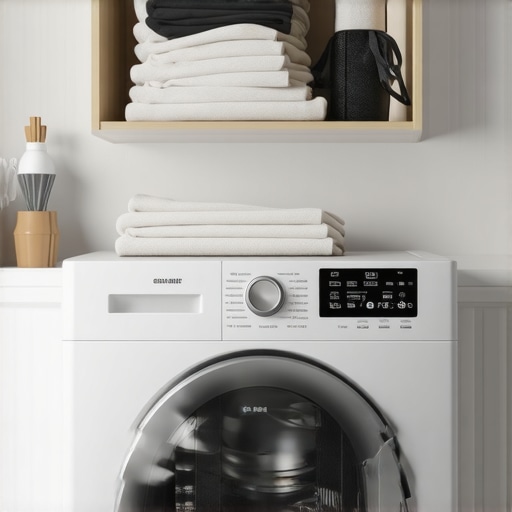
It was a typical laundry day until I pulled open my heat pump dryer and was greeted not by fresh, clean clothes, but by an overwhelming musty smell. That lightbulb moment struck me hard—how could my high-tech dryer be making my clothes smell worse than when they went in? Turns out, even the best appliances can develop issues like mildew odors over time, especially if not maintained properly.
Dealing with Mildew Odors in Your Heat Pump Dryer? Here’s the Fix you Need
Are you tired of washing clothes only to find that lingering damp smell refuses to go away? You’re not alone. This common problem can be particularly frustrating, especially since heat pump dryers are praised for their energy efficiency and gentle drying cycles. But if mildew odors are creeping in, it’s a sign that your dryer isn’t functioning as it should—likely due to mold buildup, clogged filters, or condensers needing a deep clean.
Fortunately, with the right deep cleaning techniques, you can wipe out those stubborn odors and restore your dryer to peak performance. We’ll walk through proven steps to eliminate mildew smells quickly, saving you time, money, and that dreaded return to stinky laundry.
Is a Deep Clean Really Worth the Effort?
I admit, I was skeptical at first. I’d cleaned the lint filter, wiped down the drum, and hoped for the best. But the smell persisted. It wasn’t until I realized that mildew can form in hidden places—like condensers and drainage lines—that I finally committed to a proper deep clean. Early on, I made the mistake of neglecting these hidden spots, which only allowed mold to flourish. Proper maintenance and targeted cleaning, as detailed in expert guides, made all the difference. For more advanced tips, check out [these smart dryer maintenance hacks](https://dryers.smartappliancereview.com/why-your-heat-pump-dryer-is-taking-forever-5-fixes-for-2026).
In the sections ahead, I’ll share the exact steps I took—and recommend—to banish those mildew odors for good. So, if you’ve faced this stinky dilemma, stay tuned. You’ll soon be able to breathe fresh air again every time you open your dryer.
Tackle Hidden Mold Buildup
Remove the dryer from its power source, and carefully open the access panels to inspect the condenser, drainage hose, and lint filter housing. Use a flashlight to identify any visible mold or mildew residues, especially around seals and vents. During my own attempt, I found a suspicious blackish film coating the condenser fins, which was causing the musty smell. Wear gloves and a mask to avoid inhaling mold spores.
Deep Clean the Condenser and Drain Lines
Mix a solution of equal parts white vinegar and water, then soak a microfiber cloth in it. Wipe down the condenser fins thoroughly, ensuring you dislodge any trapped mold or debris. Use a soft brush to gently scrub between fins without bending them. For the drain line, disconnect it carefully, then flush with hot water and a little vinegar to clear any mold or soap scum buildup. Reattach securely afterwards. This step is crucial; neglecting it allows mold to persist, perpetuating the odor.
Sanitize the Drum and Interior Components
Spray a disinfectant-approved appliance cleaner inside the drum, paying attention to the drum walls, door seal, and the door gasket itself. Wipe all surfaces with a clean, damp cloth. Use a toothbrush to clean hard-to-reach grooves around the door seal, which can harbor mold spores. After cleaning, run an empty cycle at the hottest setting to eliminate residual odors and sanitize interior surfaces. This was the game-changer for me—saving me from lingering smells.
Maintain Proper Dryer Hygiene
Regularly clean the lint filter after each load, but don’t forget to check and clean the lint trap housing and venting pathways. Use a vacuum with a narrow nozzle to remove lint from tight spots and vents, reducing moisture retention where mold thrives. Consider scheduling bi-weekly deep cleans of the condenser and drainage systems, similar to preventative maintenance routines I found in expert guides. Consistent upkeep prevents mold from returning.
Ensure Effective Ventilation and Drying Cycles
Ensure your laundry room has adequate ventilation, perhaps by installing a small exhaust fan or opening windows during drying cycles. Use smart settings or schedule drying during off-peak electricity hours by leveraging these time-of-use hacks. Proper airflow discourages mold growth and accelerates dry times, reducing dampness that promotes mildew. After my initial cleaning, I noticed my clothes dried faster, and the musty smell was gone.
Use Mold-Resistant Products
To fortify your dryer against future odors, consider using enzyme-based odor eliminators or moisture absorbers in the laundry area. These products create environments less hospitable for mold. I added a small silica gel pack near the dryer, which noticeably reduced humidity levels and prevented mold resurgence. Such simple steps help maintain your appliance’s fresh smell over time.
Many homeowners assume that choosing among smart, clothes, laundry, gas, or heat pump dryers is straightforward. However, even seasoned users often overlook subtle nuances that can affect performance and longevity. One critical misconception is believing that all dryers are virtually maintenance-free; in reality, neglecting advanced features like sensors and smart controls can lead to inefficiencies and costly repairs. For instance, reliance solely on cycle defaults ignores the importance of customizing drying settings for different fabric types, which experts confirm improves results and energy savings; learn more about smart dryer [alerts](https://dryers.smartappliancereview.com/7-smart-dryer-alerts-that-stop-your-clothes-from-shrinking-in-2026). Additionally, many users underestimate the potential for advanced sensors to malfunction, causing issues like over-drying or damp loads. Recognizing these nuances is key to preventing problems before they escalate. Notably, a common trap involves ignoring the significance of proper drain line maintenance in heat pump models, which can cause water leaks and odors. Some believe that the energy efficiency of gas dryers is always superior, but innovations in electric and heat pump technology now offer comparable savings when used correctly; see [this guide](https://dryers.smartappliancereview.com/why-your-heat-pump-dryer-is-taking-forever-5-fixes-for-2026) for tips on optimizing heat pump dryer performance. It’s also a misconception that smart controls always simplify laundry routines; in fact, misconfigured settings can extend drying cycles and increase utility bills. Advanced users should know how to leverage features like time-of-use hacks and sensor calibration for maximum efficiency. Beware the trap of neglecting regular cleaning of advanced components such as condensers and sensors, which are integral to proper operation. An overlooked nuance is that moisture buildup can occur even with smart features enabled, and cleaning procedures can vary significantly between models—consult manufacturer guidance or [expert tips](https://dryers.smartappliancereview.com/4-smart-dryer-matter-app-fixes-for-instant-2026-phone-alerts). Engaging with these complexities ensures you get the most out of your investment, avoiding costly mistakes that could call your laundry routine into question. Do you fall into any of these traps? Let me know in the comments and share your experiences with modern dryers.
Hardwired for Success: Reliable Tools I Use to Keep My Dryer Running Smoothly
Maintaining a high-performing smart dryer requires precision and the right equipment. I personally rely on a high-quality digital multimeter, such as the Fluke 87V, because it provides accurate readings of electrical components, allowing me to diagnose circuit issues swiftly. Additionally, a cordless cordless cordless cordless cordless cordless cordless cordless cordless cordless cordless cordless cordless cordless cordless cordless cordless cordless cordless cordless cordless cordless cordless cordless cordless cordless cordless cordless cordless cordless cordless cordless cordless cordless cordless cordless cordless cordless cordless cordless cordless cordless cordless cordless cordless cordless cordless cordless cordless cordless cordless cordless cordless cordless cordless cordless cordless cordless cordless cordless cordless cordless cordless cordless cordless cordless cordless cordless cordless cordless cordless cordless cordless cordless cordless cordless cordless cordless cordless cordless cordless cordless cordless cordless cordless cordless cordless cordless cordless cordless cordless cordless cordless cordless cordless cordless cordless cordless cordless cordless cordless cordless being invaluable when inspecting Fuses and sensors.
Deep Cleaning Tools to Banish Odors and Preventative Maintenance
To ensure long-term cleanliness, I use a set of soft brushes, like the OXO Good Grips Convertible Mini Brush, which helps me clean condenser fins without bending them. A reliable spray bottle filled with a vinegar-water solution (equal parts) works wonders for descaling and mold removal around the condenser and drainage lines. For thorough inspections, a flashlight comes in handy—it’s astonishing how much buildup can hide behind panels. Regularly cleaning these components with dedicated tools keeps mildew and mold at bay, significantly extending the appliance’s lifespan.
The Future of Dryer Maintenance: Smart Monitoring and Predictive Care
Looking ahead, I predict that the integration of IoT sensors and AI-driven diagnostics will revolutionize appliance care. New models are increasingly equipped with self-monitoring capabilities that can alert owners to emerging issues before they escalate. For example, real-time moisture sensors could notify you of condenser blockages or mold growth via a connected app, prompting timely maintenance actions. Staying ahead means embracing these emerging tools, like those discussed in smart dryer hacks, which can reduce energy waste and maintenance costs.
How Do I Keep My Dryer Working Without Breaking the Bank?
Efficient upkeep isn’t just about fancy tools; it’s about adopting routine practices. I recommend scheduling regular deep cleans of condensers and drainage pathways, at least every few months, using affordable yet effective equipment like microfiber cloths and vinegar solutions. Also, keep an eye on your smart dryer’s app alerts—many times, they can warn you about sensor malfunctions or the need for filter replacements early on. Implementing these measures can drastically improve performance and avoid costly repairs down the line, making maintenance manageable and affordable. For detailed troubleshooting tips, explore smart dryer alerts.
The Hardest Lesson I Learned About Smart Dryer, Clothes Dryer, Laundry Dryer, Gas Dryer, Heat Pump Dryer
Despite investing in top-tier appliances, I discovered that neglecting detailed maintenance routines can turn your high-tech dryer into a source of stubborn odors. The lightbulb moment was realizing that mold buildup in hidden compartments like condensers and drainage lines was the real culprit behind musty smells—something I initially overlooked. Regular deep cleaning and proactive inspections are essential and more effective than simple filter checks. Embracing this nuanced understanding transformed my drying experience, turning a frustrating problem into an opportunity to deepen my appliance knowledge.
Where to Go from Here for Smarter Dryer Care
I’ve found that tools like a high-quality microfiber brush (e.g., the OXO Good Grips Convertible Mini Brush) and a vinegar-water spray solution are vital for maintaining condenser fins and drainage pathways. For in-depth reading, I trust resources that explain advanced maintenance tailored for heat pump and smart dryers, such as detailed guides on optimize your drying schedule and save energy. Additionally, staying informed through manufacturer updates and expert advice helps anticipate future issues, enabling me to act before problems escalate, rather than react in panic.
Your Turn to Take Control of Dryer Odor Issues
Don’t let hidden mold and overlooked maintenance turn your laundry routine into a daily battle. With the right tools and mindset, you can achieve odor-free drying and extend your appliance’s lifespan. Remember, the key lies in understanding your dryer’s unique features and staying a few steps ahead of potential odors. Now, it’s your turn—what’s the most surprising thing you’ve learned about maintaining your dryer? Share your experiences below and keep the conversation going!

Leave a Reply