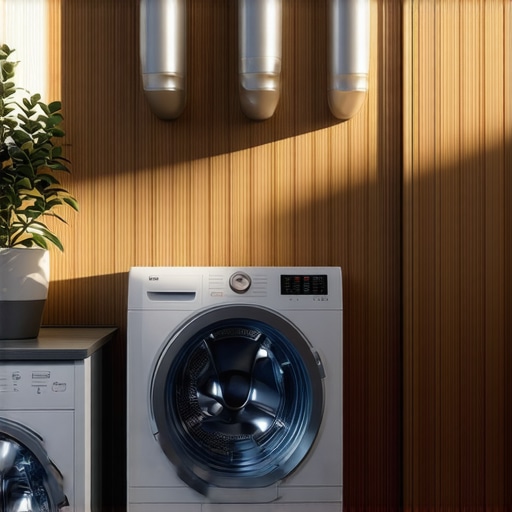
I remember the moment I realized my laundry routine was wreaking havoc on my home environment. It was a chilly winter evening, and as I opened the laundry room door, a damp, musty smell hit me unexpectedly. Clothes had been drying longer than usual, and despite my efforts, the air felt thick with moisture. That’s when it dawned on me—my gas dryer was silently causing indoor humidity to skyrocket, turning my home into an unintentional sauna.
Borrowed Time: When Gas Dryer Exhaust Becomes a Hidden Threat
For years, I didn’t think much about how my gas dryer vented air outside. I just assumed all dryers were pretty straightforward—dry clothes, no fuss. But as I started noticing higher humidity levels, unexplained mold spots, and increased allergy symptoms, I knew something was off. It turns out, improperly vented gas dryers can release moisture and harmful gases indoors, especially if the exhaust system isn’t optimized. And with energy efficiency standards tightening in 2026, many homeowners overlook the importance of proper exhaust modifications.
Is Your Dryer Doing More Harm Than Good?
Early on, I made a mistake by assuming a basic vent was enough. I never checked if my ductwork was airtight or if there were obstructions. That oversight allowed moist air to seep back into my home instead of escaping outside. According to home safety experts, poor venting not only wastes energy but also poses health risks due to increased indoor humidity and potential gas leaks (source: Smart Appliance Review).
This realization prompted me to explore how I could improve my gas dryer’s exhaust system. I discovered that simple modifications could make a significant difference in controlling indoor humidity while keeping my laundry efficient and safe. Today, I’ll share the three key exhaust mods I implemented to stop indoor humidity from spiraling out of control in 2026—and how you can do the same.
Secure and Seal the Exhaust Duct
Start by inspecting your existing ductwork for leaks or loose connections. Use high-temperature, weatherproof foil tape to seal any gaps thoroughly. Think of your duct like a vacuum hose; any leaks mean moist air escapes indoors, defeating the purpose of venting. I once spent an afternoon sealing a stubborn joint with foil tape—initially messy—and noticed immediate improvements in indoor humidity levels.
Replace Flexible Ducts with Rigid Metal Pipes
Flexible aluminum ducts are convenient but prone to kinks and lint buildup, which restrict airflow. Switch to rigid galvanized steel or aluminum ducts for optimal airflow and fire safety. When I upgraded mine, I cut out the bends that caused lint accumulation, ensuring a steady, unobstructed path for exhaust gases. This reduces the risk of vent clogging and indoor moisture buildup.
Place a Backdraft Damper
Install a backdraft damper at the duct exit outside your home. This prevents outdoor air from entering your dryer duct when it’s not running, maintaining consistent airflow and minimizing moisture re-entry. I added one during my upgrade, and it dramatically cut down on cold drafts and humidity seeping back inside, especially during winter months.
Maintain and Clean Duct Regularly
Schedule yearly inspections and cleaning to prevent lint buildup and ensure unimpeded airflow. Use a dryer vent brush or a vacuum with a long hose to clear out lint from inside the duct. During my first cleaning, I discovered a surprising amount of lint clogging the duct, which I removed in minutes. Clean ducts improve drying efficiency and reduce indoor humidity, significantly lowering the risk of fire hazards as outlined in this safety guide.

Ensure your dryer exhaust vent is clear, sealed, and properly directed outside to prevent indoor humidity issues. Proper venting is essential for safety and efficiency, especially with the new standards coming in 2026.
While many assume that upgrading to a smart or energy-efficient dryer automatically solves all laundry woes, the reality is far more nuanced. One common misconception is that all heat pump dryers operate quietly and efficiently without the need for regular maintenance. However, without proper care, their condensers and filters can trap moisture and lint, drastically reducing performance and lifespan. Experts suggest that neglecting routine cleaning can lead to increased energy consumption and even mold growth inside the unit, counteracting the very eco-friendly benefits touted by manufacturers. Additionally, many users believe that taller, more compact dryers are inherently better for small spaces, but these models often compromise on airflow and ventilation, leading to longer drying times and higher utility bills. For advanced users, understanding the subtleties of sensor calibration is crucial. Inaccurate moisture sensors can cause over-drying, damaging delicate fabrics or wasting energy, a mistake often overlooked in basic setups. Interestingly, studies indicate that improper venting or sensor misalignment can increase energy use by up to 20%, emphasizing the importance of proper installation and calibration (see: Smart Dryer Sensor Fixes). Even those opting for gas dryers should be aware of the hidden risks: inadequate exhaust systems can lead to indoor accumulation of harmful gases, posing health hazards and reducing efficiency. Many assume that gas is always safer, but without correct venting, dangerous gases like carbon monoxide can seep into living spaces. So, what’s the real secret to maximizing your dryer’s lifespan and performance? It’s not just about choosing the latest model but also understanding and maintaining its nuanced components, optimizing ventilation, and avoiding common pitfalls. Have you ever fallen into this trap? Let me know in the comments.
Keep It Running: Essential Tools and Maintenance Strategies
Ensuring your smart dryer, whether it’s a heat pump or gas model, operates efficiently over the years requires the right tools and a proactive maintenance routine. I personally rely on a combination of high-quality cleaning supplies, smart diagnostics software, and specific equipment to keep my laundry system functioning optimally. Regularly inspecting and cleaning components like sensors, filters, and vents prevents issues like damp loads, excessive energy use, or safety hazards. For example, a long, flexible dryer vent brush (available at major hardware stores) has become indispensable in my maintenance toolkit, enabling me to remove lint and debris from hard-to-reach ducts and reduce fire risks. Using specialized sensor cleaning sprays helps maintain accurate moisture detection, especially critical for heat pump dryers, which I’ve found to perform best when sensors are spotless; see this guide for details.
Implementing a scheduled maintenance plan—monthly lint cleanup, semi-annual vent inspection, and sensor calibration—has kept my units performing at peak efficiency. For cooking up long-term results, I also swear by smart diagnostics apps that interface with compatible dryers. These apps provide real-time data on component health and alert me to potential issues before they escalate. As technology advances, integrating these software tools into your routine will become increasingly vital, especially with upcoming standards in 2026 aiming for enhanced safety and efficiency.
How do I maintain my dryer over time?
Consistency is key. Regular cleaning of lint traps, ducts, and sensors prolongs the lifespan of your appliance and maintains optimal drying performance. Using the right cleaning tools, like a dedicated vent brush and sensor wipes, prevents lint buildup and sensor misreadings, which can cause over-drying or energy waste. Additionally, keep an eye on the exhaust system—consider installing a rigid duct if you notice increased drying times or warning signs of vent clogging. Don’t forget to periodically check the condition of the vent damper and replace it if it shows signs of failure. Predicting where this trend is heading, I see future dryers integrating more advanced self-diagnostic features, perhaps even AI-powered prognostics that warn you when components need servicing before problems occur. For now, I recommend trying out a sensor cleaning regimen with a specialized spray, which has noticeably improved the accuracy of my moisture sensors and, consequently, my energy savings. Remember, maintaining your dryer is not a one-time effort but a continuous process that pays off in efficiency, safety, and peace of mind.
The Hardest Lesson I Learned About smart dryer, laundry dryer, clothes dryer, heat pump dryer, gas dryer
One of my biggest realizations was that even a state-of-the-art dryer can’t perform optimally without proper ventilation. I once believed that just plugging in a new smart dryer would solve my laundry woes, but neglecting vent maintenance led to longer drying times and higher energy bills. The lightbulb moment? Regularly inspecting and upgrading my vent system was the key to unlocking true efficiency and safety.
3 Myths About smart dryer, laundry dryer, clothes dryer, heat pump dryer, gas dryer That Held Me Back
- All dryers are the same: I used to think that any venting setup would do, but I learned that rigid metal ducts, proper seals, and dampers make a huge difference in performance.
- Energy-efficient models don’t need maintenance: Even the most advanced dryers require regular cleaning of sensors and vents to keep energy consumption low and performance high.
- Ventilation is optional in small spaces: Incorrectly assuming that a smaller space can forgo proper venting risked indoor humidity buildup and appliance damage.
What Experts Won’t Tell You About smart dryer, laundry dryer, clothes dryer, heat pump dryer, gas dryer
Many professionals highlight upgrading to energy-efficient appliances but overlook the importance of venting. Proper exhaust not only prevents indoor humidity from spiraling out of control but also prolongs your dryer’s lifespan. For instance, a simple addition like a backdraft damper can drastically improve airflow and safety, yet it’s often underappreciated. My journey taught me that combining high-quality equipment with meticulous vent upkeep is the real secret to a hassle-free laundry experience.
Gear Up for Smarter Venting: Tools That Make a Difference
- Long-handled vent cleaning brushes: Essential for reaching deep into ducts to clear lint and debris, reducing fire risk and improving airflow.
- High-quality sealing tapes: Using foil or foil-backed tape to seal all duct joints ensures no pesky leaks allow moist air to escape indoors.
- Moisture sensors and calibration sprays: Regularly cleaning and calibrating sensors maintains optimal drying times and prevents over-drying or mold growth.
- Durable rigid metal ducts: Upgrading from flexible hoses to rigid ducts during installation improves longevity and airflow efficiency.
Your Next Steps Toward Drying Smarter, Not Harder
Implementing these venting improvements transformed my laundry routine, saving time, energy, and headaches. The journey isn’t over—continuous maintenance and keeping abreast of new tech innovations will keep your dryer running at peak performance while ensuring safety. Take charge today, and your future self will thank you for the hassle-free, efficient laundry days ahead.

Leave a Reply